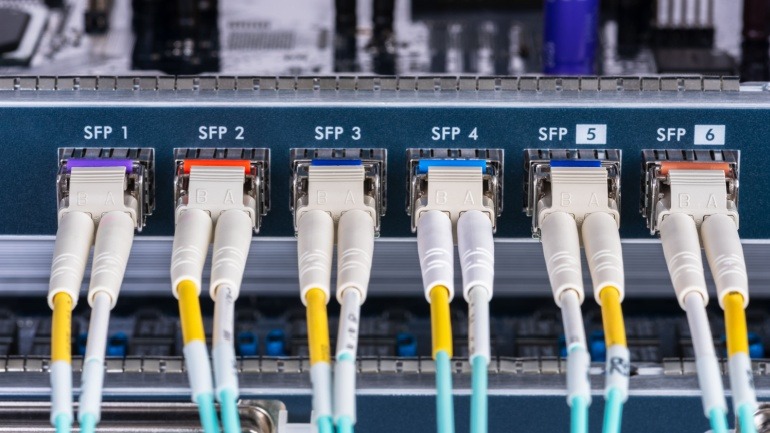
The recent OFC Conference in Los Angeles emphasized AI’s impact on data center networks, signaling a shift from traditional infrastructures. AI demands redefine connectivity, calling for innovations in optical technologies like coherent optics and co-packaged optics to ensure high-density, low-latency connections essential for robust VoIP functionality.

In the evolving landscape of Unified Communications, AI is reshaping platforms from Teams to Webex, enhancing functionalities but also driving significant price hikes. SaaS expenses per employee are surging, highlighting how vital negotiation and strategic management are in controlling VoIP-related costs. This ensures businesses strike a balance between innovation and budget efficiency.
The telecommunications industry is on the verge of a major shift as companies like Vodafone, AT&T, and Telefónica embrace AI-driven solutions to revolutionize their operations. By deploying advanced AI agents, these companies aim to streamline processes, automate tasks, and enhance sales agility, significantly improving operational efficiency and transforming traditional telecom frameworks.
True Corporation’s strategic transformation into an AI-oriented telecom-tech firm presents exciting developments in the VoIP industry. By revolutionizing customer experience and service integration with AI, True aims to enhance both mobile and broadband services. This forward-thinking approach promises significant advancements in VoIP technology and digital connectivity in Thailand.
Unveiling of the Open Telco AI initiative at the Mobile World Congress 2026 marks a pivotal step in telecom industry evolution. By addressing the inadequacies of traditional AI through open collaboration, GSMA aims to revolutionize telco-grade AI. This initiative brings together industry giants, ensuring enhanced precision and reliability for network operations.
Enterprise Connect 2026 in Las Vegas brings a focus on practical unified communications (UC) solutions rather than flashy features, highlighting AI accountability in collaboration tools. As organizations integrate voice over IP (VoIP), the spotlight is on proving tangible productivity gains while maintaining security and interoperability amidst multiple platforms.
The AI era is set to transform telecommunications, reshaping networks and economic models. Mathew Oommen from Jio Platforms highlighted this shift at the Mobile World Congress. The AI-led transformation will redefine telecom networks, creating new opportunities valued in trillions. Telecom networks will underpin an “intelligence economy,” with AI integrated across sectors like energy and finance.
Explore how hollow core fiber (HCF) is revolutionizing AI data centers. With its photonic-crystal fiber roots, HCF offers faster data transmission and less signal loss compared to traditional optical fiber. This advancement is crucial for industries needing reduced latency, potentially easing land and energy constraints while enhancing AI efficiency.
Turkcell’s strategic agreement with Huawei at Mobile World Congress 2026 aims to revolutionize VoIP and 5G technology landscapes. By enhancing AI capabilities and autonomous network innovations, both telecommunications giants will pave the way for cutting-edge VoIP solutions. This partnership underscores their commitment to delivering advanced connectivity technologies and pioneering sustainable 5G networks.
At Mobile World Congress, Arrcus showcased a breakthrough in AI and network infrastructure, highlighting the need for intelligent, policy-aware VOIP systems. As AI tasks shift towards edge computing, the demand for robust network fabrics grows. Arrcus’s innovative approach promises enhanced VOIP solutions, optimizing latency, throughput, and data management.