The Cloudflare outage highlights critical issues in VoIP and enterprise infrastructure’s reliance on a few providers. This dependence can lead to vulnerabilities, challenging assumptions about reliability. Businesses may need to rethink strategies to avoid single points of failure. Resilience, modernization, and regulatory focus are essential to ensure stability in VoIP services.
Telecom operators are transforming into key players in AI services, appealing to enterprises seeking seamless AI solutions. Historically focused on connectivity, telcos are now diversifying with AI infrastructure and tools. This shift, prompted by corporate demand, offers substantial growth potential as traditional revenue streams decline. Successful operators harness AI infrastructure, collaborating with platform developers to offer customized solutions and productivity tools. Their strategic advantage includes expansive networks and data centers, enabling competitive pricing and data sovereignty. However, to capitalize effectively, they need to overcome internal challenges and navigate competition from hyperscale cloud providers like AWS and Google Cloud.

AT&T is suing T-Mobile over the new Easy Switch tool, alleging unlawful access to its systems using AI tools. This tool, promising quick network switches, is under fire for allegedly scraping customer data. The lawsuit highlights ongoing tensions and competitive tactics in the telecom industry’s battle for customer acquisition.
Nokia’s recent strategic shift raises eyebrows as it slashes European jobs while investing $4 billion in US R&D. This move underscores a stark pivot towards American interests amid Europe’s digital sovereignty push. As Nokia realigns, VoIP professionals must assess the implications on European technology autonomy and market dynamics.
As the IoT landscape evolves, CSPs face the dual challenge of ensuring robust VoIP connectivity across borders while navigating stringent regional data privacy laws. Compliance with regulations like GDPR and India’s DPDP Act is critical to avoid penalties. Local breakout services offer CSPs a strategic advantage, enhancing VoIP performance and compliance. Kaleido Intelligence’s report emphasizes the need for IoT service providers to prioritize compliant, locally-tailored connectivity solutions. This strategic approach not only meets legal standards but also positions providers as market leaders, underscoring the importance of compliance-driven growth in the rapidly advancing IoT arena.
SK Telecom, a leader in VoIP technology, is boosting its data infrastructure with plans to expand its data center in Ulsan, South Korea, and build a new facility in Vietnam. Integrating cutting-edge technology, these advancements solidify SK Telecom’s commitment to enhancing data services, supporting the global shift towards advanced technological solutions.
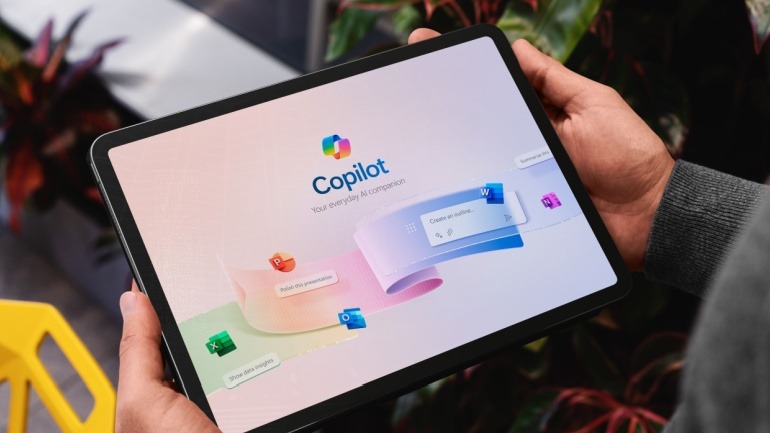
Microsoft made significant strides in AI and collaboration tools, with major updates in its Copilot data processing capabilities, set for expansion in 15 countries by 2025. The integration of voice commands into Copilot enhances seamless workflows on mobile, while regulatory scrutiny prompts Microsoft to address pricing transparency issues and improve security in Teams.
Deutsche Telekom is transforming B2B customer experiences across Europe with the launch of One Portal, a unified support and sales platform integrating diverse regional operations. Initially available in Poland, this platform improves VoIP service delivery through agile cloud infrastructure, enhancing cross-selling and up-selling opportunities and setting a new industry standard.
Amazon’s recent decision to reduce its corporate workforce by 30,000 employees marks a pivotal moment in the industry, underscoring a shift towards AI-driven efficiency. Amazon Web Services and several departments will face cuts as the company, under CEO Andy Jassy, prioritizes streamlining operations and reducing bureaucracy. This strategic move highlights AI’s transformative role in modern business practices, challenging traditional management. Other tech giants like IBM and Accenture follow similar paths, indicating a broader industry trend. As Amazon embraces automation, its policies on workspace attendance ignite discussions on balancing human roles with digital innovation.
Telefónica’s new messaging service, rooted in Rich Communication Services (RCS), revolutionizes enterprise communications. By integrating AI, businesses can automate interactions, enhancing customer satisfaction and operational efficiency. RCS surpasses traditional SMS, offering engaging content like images and videos. This strategic shift promises improved reliability, segmentation, and personalized communication for businesses.