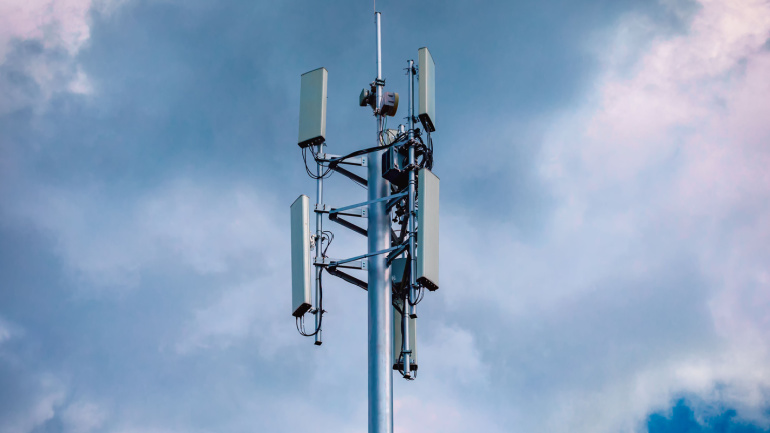
UK’s major mobile infrastructure entities have formed the Mobile Infrastructure Forum, aiming to boost wireless connectivity across the UK and improve network rollout efficiency. Meanwhile, industry insiders are lobbying for a smoother operation process, amidst challenges like mast site location and negotiation with landlords.

Explore EE’s new ‘everything app’, aiming to centralize device sales and manage subscriptions. This all-encompassing platform offers the ability to purchase gaming accessories or trade devices. Alongside this, EE has introduced enhanced broadband and mobile packages, and a focus on personalized customer service. As the company confidently adjusts to its innovative role within the telecommunications landscape, competitors are left needing to pick up the pace.
Dish’s recent announcement differentiates them as the first operator to amalgamate both 2 uplink and 4 downlink 5G carriers, reaching compelling speeds with such configuration. Despite skepticism around Open RAN’s performance, Dish continues to silence critics and signifies an exciting possibility for future network builds.
Huawei’s Richard Jin turned heads at UBBF 2023 with a keynote speech outlining a future-oriented, three-phase network construction plan. This innovative plan hinges on enhancing video experiences, improving network user experiences and integrating AI. By striving to transition from traditional copper lines to FTTH all-optical networks, it aims to ensure seamless video interactions. Subsequently, it intends to cater to increasing demand for diversified digital applications via gigabit services. The finale points towards an AI-integrated, all-optical computing plan aligned with F5.5G development, potentially revolutionizing current industry norms.
Amazon’s Project Kuiper, which birthed two prototype satellites aimed to test potential satellite broadband service, operates similarly to Space-X’s Starlink and OneWeb. The venture is set to increase internet connectivity in remote areas using an extensive satellite constellation. Still, the delay in launching has welcomed accumulating competition. Rabid advancements by competitors including satellite direct-to-device technology pioneers and those concentrating on 5G NTN IoT services could tilt the scales. Would adopting the 5G NTN-compatible network give Project Kuiper a competitive edge? Or will the ongoing innovations by industry leaders overshadow it? However, underlying operational challenges and time constraints might hamper Amazon from contemplating a substantial shift in direction.
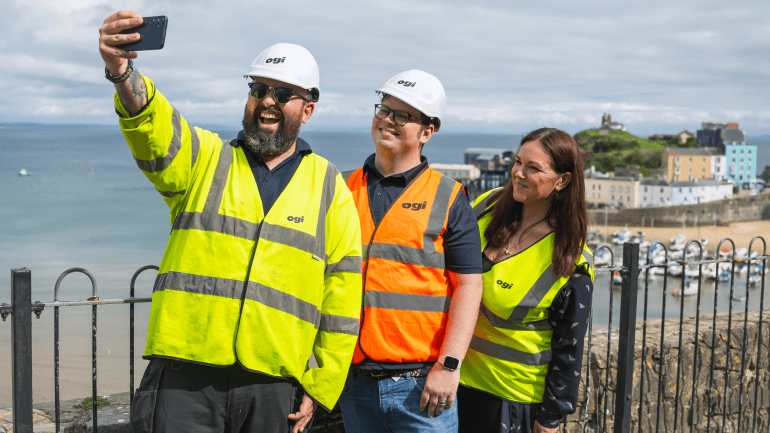
Wales’s leading alternative telecoms provider – Ogi – has revealed plans to bring full fibre connectivity to Tenby, one of Pembrokeshire’s most iconic seaside towns. Tenby is the latest of over 60 communities across south Wales to benefit from Ogi’s privately backed broadband rollout launched in 2021. Once work to connect around 5,000 premises in the town is complete, Ogi will be the leading alternative choice in much of west Wales.
As Vocus’ exclusive negotiation period with TPG Telecom for the proposed fiber business acquisition concludes, talks remain in motion. Delays in due diligence hint at finance-related stumbling blocks, though TPG stays open to other potential bargains, igniting a scenario of anticipation and suspense within the telecom domain.
Leading the way in private network establishment, the U.S. capitalizes on unique advantages from Citizens Broadband Radio Service (CBRS) and its innovative three-tiered spectrum approach. This nonpareil blueprint fosters efficient allocation of limited spectrum resources, empowering the expansion of private 5G networks. Riding this wave, companies like Quanta Cloud Technology and Intel synergize to create future-focused solutions, navigating challenges and setting the stage for 5G’s transformative potential.
Denmark’s leading telecommunication firm, TDC, is performing an internal review after fears of overleverage and slipping cash flow puts its credit rating at risk. The investigation is in early stages, with outcomes and possible transactions still unclear. However, TDC’s majority stakeholder, Australian firm Macquarie, will be watching closely. Despite a strategic split into separate business units last year aimed to accelerate growth, both have shown mixed financial results. Amidst increasing competition, TDC’s future is set against the backdrop of evolving telecommunications business models and industry debates.
Nvidia aims to convince telecoms to use its GPUs in 5G networks, citing NTT Docomo’s recent GPU-accelerated 5G launch in Japan. Yet, the role of Nvidia’s GPUs in telecom remains unclear. Meanwhile, the FCC breaks a two-year deadlock, reigniting net neutrality debates. Telefonica Germany partners with Skylo for global IoT connectivity, expanding options for businesses and consumers. Nokia explores rugged 5G devices for harsh environments, catering to specialized industries with challenging conditions.