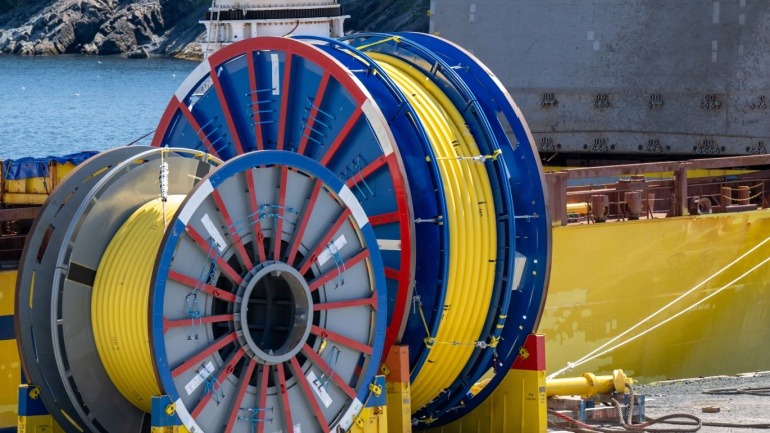
Explore how hollow core fiber (HCF) is revolutionizing AI data centers. With its photonic-crystal fiber roots, HCF offers faster data transmission and less signal loss compared to traditional optical fiber. This advancement is crucial for industries needing reduced latency, potentially easing land and energy constraints while enhancing AI efficiency.
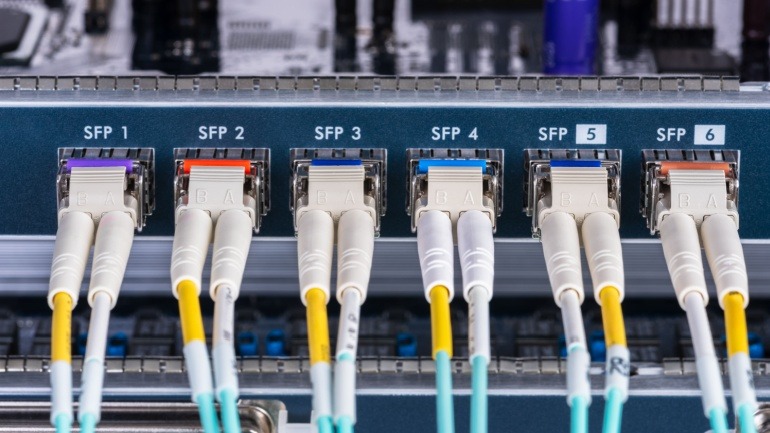
Europe’s pivotal role in the global AI ecosystem is evident as it becomes a key exchange hub for artificial intelligence. With rising data generation from connected devices and AI technologies, robust digital infrastructure is essential. Data centers and strong networks are vital for handling data volumes, highlighting Europe’s strategic advantage.
China’s fiber networks are rapidly transforming the country’s digital landscape, with fiber now underpinning most fixed broadband connections. This move promotes gigabit services and smart cities, boosting operators’ revenue in a saturated market. AI integration further enhances network efficiency, ensuring premium service quality and opening new revenue channels for operators.
Google’s introduction of the TalayLink subsea cable marks a transformative step in enhancing digital connectivity, particularly for the Asia-Pacific region. As TalayLink extends the Interlink system, it offers a vital alternative route through the Indian Ocean, alleviating congestion in the Sunda Strait. This expansion fortifies Google’s robust subsea cable initiatives, advancing global digital networks.
VoIP technology is pivotal for telecommunications operators in urban areas, where managing data connectivity demands is crucial. The rise of 5G and Fixed Wireless Access (FWA) introduces faster, low-latency solutions but faces interference challenges. Advanced sectorization and beam switching technologies effectively enhance VoIP service quality, ensuring reliable connectivity for urban users.
The UK’s focus on safeguarding its undersea networks is critical amid rising tensions with Russia and China. With concerns over VoIP communication vulnerabilities and infrastructure threats, the Royal Navy is vigilant. Reforms ensure clear accountability, emphasizing the importance of protecting crucial subsea networks for digital security.
Quantum computing is set to revolutionize the internet. IBM and Cisco are paving the way for a quantum computing internet by 2030. This innovation could significantly change VOIP communications, enabling faster, more secure connections. Their joint efforts may unlock new possibilities for the VOIP industry and beyond.
Meta and a coalition of leading tech firms, including Google and Microsoft, have completed the infrastructure for the extensive 2Africa submarine network. This massive international subsea project promises to significantly boost internet connectivity across Africa, Asia, and Europe. With enhanced VoIP services, regions can expect accelerated economic growth and improved communication.
Verizon is set to implement its largest wave of layoffs, targeting 15,000 positions, under new CEO Dan Schulman. This bold move aims to redefine Verizon’s competitive stance in the wireless market amidst strong challenges from competitors like AT&T and T-Mobile. The strategic layoffs and retail transition signify a pivotal realignment for Verizon.
Vodafone’s ambitious infrastructure project around the Black Sea aims to bypass Russia, significantly enhancing VoIP and internet traffic flow in the region. With a €100 million investment, Vodafone and Vodafone Ukraine are set to fortify digital sovereignty through fiber optic technology, boosting network resilience and connectivity for Ukraine and neighboring countries.