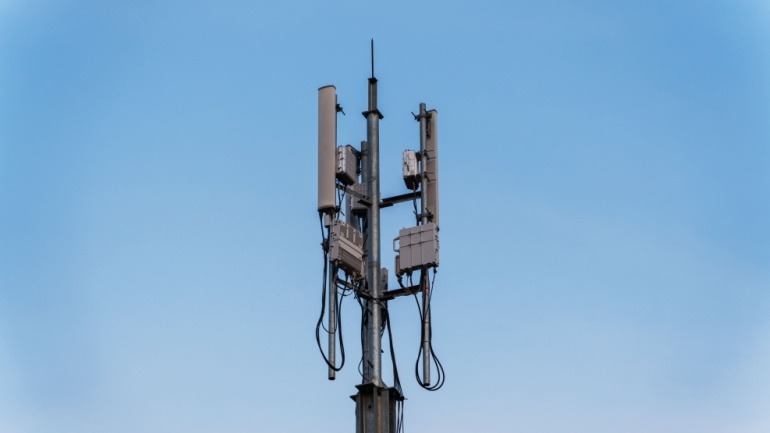
Huawei is set to debut its Agentic Core solution at MWC 2026, propelling the commercial use of agent networks. This innovation leverages NE intelligence, network intelligence, and service intelligence, addressing AI era challenges like increased traffic and dynamic network needs. Huawei aims to enrich user experiences and unlock revenue streams for operators.
Lumen Technologies is revolutionizing the AI infrastructure market by focusing on AI factory connectivity, positioning itself as a vital provider of high-capacity, low-latency fiber services. By divesting consumer assets, Lumen is responding to the exponential demand for advanced networking solutions crucial for AI-driven economies. This strategic shift highlights Lumen’s commitment to becoming a cornerstone in connecting AI data centers and transforming enterprise networking.
Cargill’s deployment of private 5G networks marks a transformative shift in the industrial landscape, expanding from 20 to 50 sites in six months. This collaboration with NTT Data and Celona highlights 5G as essential infrastructure, much like Wi-Fi, supporting Industry 4.0 and enhancing robotics, automation, and AI integration.
5G Standalone (SA) revolutionizes mobile networks in the UK, delivering unprecedented capabilities beyond non-standalone 5G. Ericsson’s Blessing Makumbe highlights UK’s progress in 5G SA, aiming for superior customer experiences. With major operators targeting extensive population coverage, the demand for enhanced connectivity services increases, as network slicing boosts enterprise benefits.
AT&T recently achieved major recognition by receiving Ookla’s Best Home Internet award, underlining the success of their fiber expansion strategy. As a leading provider, AT&T Fiber boasts impressive speed and reliability, essential for VOIP services. By strategically growing their fiber footprint, AT&T ensures superior connectivity for VOIP communication, benefiting countless users nationwide.
SK Telecom’s ATHENA framework highlights the future of 6G with AI-native architecture and zero trust security. By fostering hyper-connectivity and cloud-native operations, SK Telecom aims to enhance AI-driven services through advanced virtualization. Its strategic role in global standards bodies positions the company as a pivotal player in the next network evolution.
Enhanced mobile connectivity spearheaded by Vodafone and Three is set to revolutionize the UK economy. This advancement in mobile signals, crucial for entrepreneurship, could generate £6.6 billion annually, fostering 49,000 new businesses. Addressing connectivity barriers, especially in rural areas, empowers startups, boosts economic growth, and drives business efficiencies.
Samsung, KT Corporation, and Keysight Technologies have successfully demonstrated X-MIMO technology on the 7 GHz band, achieving 3 Gbps peak download speeds. The trial, crucial for future 6G systems, tackled coverage and capacity challenges. This advancement signals telecom industry’s strides toward faster, reliable voip connectivity worldwide, enhancing high-frequency spectrum potential.
Telus has enhanced its 5G coverage in Canada by obtaining the 3.8GHz spectrum for British Columbia and Alberta. This strategic move boosts urban and rural performance, addressing rising data demands. With these advancements, Telus is well-positioned to meet the needs of consumers and bolster enterprise applications with robust, secure connectivity.
MasOrange’s collaboration with Ericsson marks a new era for Spain’s telecom scene, rolling out 5G-Advanced networks across major cities like Madrid and Barcelona. This development enhances 5G with features such as VoIP support, carrier aggregation, and low-latency solutions, propelling innovative applications in cloud gaming, augmented reality, and smart wearables.