151 Results

electric

Search

Chinese tech juggernaut, Huawei aims to bolster its global partnerships, despite facing recent US sanctions. Pivoting to the automotive sector, Huawei’s Intelligent Automotive Solution (IAS) is poised to become a driving force in smart electric vehicles software and parts. Interestingly, while Mercedes Benz declined an investment offer to retain its software independence, a collaborative opportunity with Audi for autonomous drive technology is reportedly in play.


In a recent surge of developments within the data center industry, Microsoft has taken the lead with its commitment to invest a staggering £2.5 billion in expanding artificial intelligence (AI) data center infrastructure in the UK. This landmark investment comes amidst a thriving year for the sector, showcasing a 13% estimated growth compared to the previous year, according to Synergy Research Group.

Elliott Investment Management criticizes Crown Castle’s underperformance, pushing for an overhaul, including a new leadership team and board. Boldyn Networks activates a ‘small cell’ near King’s Cross, partnering with EE to boost coverage and speed in London. AWS expands Amazon Bedrock with new generative AI features, including leading models, customization options, and safeguards. Windstream’s Kinetic is launching a $32.5 million fiber project in Georgia, partnering with an electric cooperative, aiming to connect 17,000 homes and businesses in Colquitt County.

Switching to a cloud-based VoIP system has the potential to cut CO2 emissions from telephony equivalent to removing 22 million cars from the road. In an era prioritizing sustainability, traditional landlines contribute to significant carbon footprints and electronic waste. VoIP, utilizing the internet’s power, eliminates physical infrastructure, reduces electronic waste, and operates efficiently. Beyond resource conservation, VoIP’s energy efficiency, support for remote work, and future innovations, including AI optimization and renewable energy sources, position it as a sustainable solution. Join the movement for a cleaner world with every VoIP-powered conversation—a pledge to the planet.

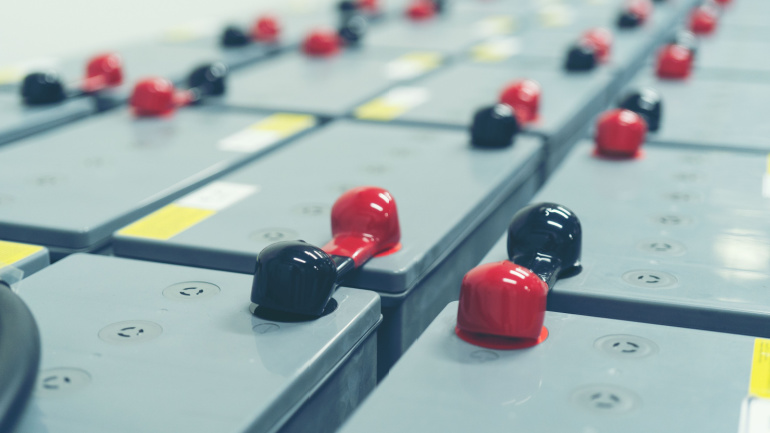
In a sharp escalation of theft incidents, Philippines operator Globe reported a loss of 834 backup batteries from their network facilities in 2022’s first half. This, they outline, puts localities at risk of service interruptions during power cuts. This surge may be associated with the modern, high-value sodium nickel batteries introduced by Globe. However, it’s more likely tied to the nation’s steep energy prices and increased cost of living. In the face of these challenges, telco operators must devise robust security measures while continuing to innovate on environmental fronts.

As the UK aims for nationwide gigabit broadband by 2030, the often unnoticed, green telecom boxes are seen in a fresh light. No longer just unassuming eyesores, these versatile enclosures are revealing opportunities for additional revenue, environmental monitoring, security surveillance and more. But sponsorships for these expanded roles remain undetermined.

In a push for universal cybersecurity standards, the EU faces backlash from global telecommunications titans like Ericsson and Nokia, who warn of supply chain disruptions akin to those experienced during COVID-19. Striking a balance between stringent security measures and smooth product availability is crucial, prompting these industry leaders to suggest increased self-assessment and more lenient implementation timeframes. However, the underpinning question remains – who should ensure industry compliance, the vendors or third parties? Amidst the surge in cybercrime, a secure, streamlined approach is paramount.

IBM has introduced Watsonx Code Assistant, an AI-powered tool for enterprise software development. Riga Technical University partners with IS-Wireless to advance 5G Open RAN technology. Snom’s phones are certified for NetSapiens, streamlining deployment for telecom resellers. Google Maps enhances user experience with AI-powered features, offering Immersive View, improved navigation, and EV charging information, striving to outperform competitors.

Taking leaps in autonomous network management, Telefónica skillfully navigates the complex landscape, developing standards and aligning with recognized organizations. With their Autonomous Network Journey program, they unravel the value of AI and machine learning at multiple levels. With successful solutions like Vivo Config, they’ve achieved substantial work savings and dramatically reduced network alarms and reworks, while actively focusing on energy efficiency and emissions reduction – invaluable attributes in the era of sustainability.