Exploring efficient energy solutions, BT is turning to liquid cooling techniques to lower network switch power usage. Collaborations with Iceotope and Juniper hint at precision cooling for servers—a potentially industry-first initiative. Meanwhile, strategies with Immersion4, Nexalus, and Airsys run the gamut from full immersion to cooling-unit encased cold plates. Crucially, every energy-reduction experiment aids BT’s ambitious journey toward net-zero emissions by 2031.

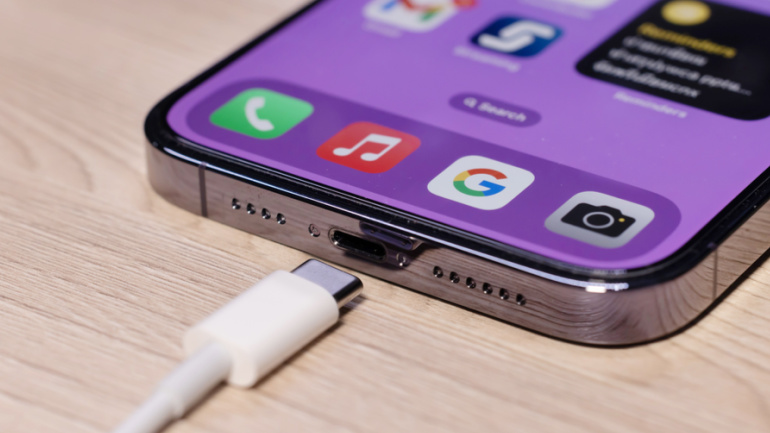
Apple’s recent unveiling of four new iPhone models, with prices starting from £799, highlights the company’s steady stream of innovation. This release has also stirred debate among smartphone enthusiasts questioning the extent of the innovations, especially considering the premium pricing. Despite predicted criticism, Apple maintains its market dominance by committing to incremental upgrades, asserting a commitment to environmental responsibility, and boasting durable, low-bug products.
Unveiling a battery and solar-powered 5G site in Texas, Ericsson demonstrates an innovative and eco-friendly approach to creating energy-smart network solutions. This next-generation site not only offers enhanced energy management, potentially trimming operational expenses and reducing energy consumption, but also hints at lucrative future revenue streams from selling excess power. As Ericsson continues to explore greener alternatives, it’s intriguing to see how telecom companies worldwide will adopt this sustainable model.
In the quest for digital transformation, Huawei, at MWC Shanghai 2023, introduced groundbreaking ICT and software innovations. Bruce Xun, Huawei’s Vice President, emphasized the company’s intention to construct robust networks with global carriers while focusing on creating intelligent digital talent. Embracing the dual-E concept, Huawei is striving for a green, efficient integration looking to reduce carbon emissions and enhance user experience.
Ericsson plans a €155 million investment for a smart manufacturing hub in Tallinn, Estonia. BT will reduce its workforce by 1,100 at Adastral Park while investing in modernization. Cellnex acquires full control of OnTower Poland, expanding its tower portfolio. Unicon launches an enhanced partner program for resellers in end-user computing. NEC introduces a generative AI service to drive business transformation.
In a groundbreaking arrangement, Telenor and Statkraft are set to secure 85 GWh/year of renewable energy for Telenor’s Finnish branch, DNA. This power deal will utilise energy from Statkraft’s upcoming wind farm project, fortifying Telenor’s quest for sustainable power. The implications of this pact spark debate on the urgency of renewable energy adoption in the telecom industry.
Vodafone UK is proclaiming the promise of 5G, with over 50% of UK adults agreeing that it could significantly impact their daily lives. But the telecom giant is also sparking conversation around its proposed merger with Three, a move believed to accelerate the UK’s digital future. The benefits of this merger extend to healthcare, utilities, and railways, showing strong potential to enhance these sectors through technologies enabled by 5G connectivity. However, this ambitious union faces challenges, including the controversial issue of spectrum distribution, crucial for 5G delivery. Yet, in the ever-evolving telecom landscape, it might be the willingness to navigate these challenges that determines their success.
Vodafone UK’s launch of 5G Ultra, a standalone 5G service, marks a significant milestone in the UK telecom market, offering faster speeds and improved battery life. However, with limited device support and potential focus on B2B applications, will competitors follow suit?
Rising Ransomware Costs Versus Cybersecurity Countermeasures Industry reports indicate that hackers are thriving despite advancements in cyber defense. The median cost of ransomware attacks has doubled to $26,000 over the past two years, with 95% of incidents resulting in financial loss ranging from $1 to $2.25 million. Social engineering and phishing remain highly effective tactics due to the human element. Senior leadership is increasingly becoming a cybersecurity threat. Governments and law enforcement agencies are taking more decisive actions against high-profile attacks, but these measures mainly deter hackers from targeting less coordinated markets. IoT devices used in DDoS attacks have risen to 1 million, accounting for 40% of global DDoS traffic, necessitating stronger network security and awareness. Despite improved measures, hackers are expected to continue succeeding. Read the full article Viasat Selected for AFRL’s ARBALEST Program: Enhancing Tactical Space Connectivity Viasat Inc., a global communications company, has been chosen by the…
UK’s ambitious gigabit broadband and Net Zero goals face rural challenges; ACOME’s Nanomodule technology emerges as a game-changer, significantly reducing the cost of fibre deployment and helping meet environmental targets.