In the world of UCaaS, selecting a vendor like Microsoft, Cisco, Zoom, or RingCentral is crucial for robust VoIP security. Evaluating certifications such as SOC 2 and ISO/IEC 27001, along with assessing Security SLAs, vendor transparency, and incident protocols, helps ensure that VoIP solutions remain secure and reliable.

VoIP solutions are transforming enterprise collaboration, as traditional automation methods fall behind in today’s complex environments. Businesses are now adopting intelligent frameworks, incorporating predictive monitoring and AI, to manage multi-vendor ecosystems like Microsoft 365 more effectively. This shift reduces inefficiencies, enhances service performance, and resolves issues swiftly, with AI-driven tools.
Amazon’s strategic acquisition of Globalstar for $11.5 billion is a game-changer in the satellite communications arena. This bold move enhances Amazon’s low-Earth orbit capabilities, directly challenging competitors like Starlink. With the integration of Globalstar’s infrastructure, Amazon aims to revolutionize its Leo initiative, enhancing direct-to-device services and advancing private 5G networks.
8×8’s AI Studio revolutionizes the VoIP landscape by enabling users to create AI agents using plain English. Embedded within the 8×8 Platform for Customer Experience, AI Studio manages voice and digital interactions effortlessly. This tool bypasses traditional development challenges, empowering employees and enhancing internal productivity with seamless AI deployment in the VoIP sector.
OpenAI’s exciting expansion into London’s King’s Cross offers strategic implications for VoIP and Unified Communications leaders. With proximity to AI innovation hubs like Google DeepMind, OpenAI is primed to enhance regional collaborations. This move strengthens fast iterations of AI in communications, ensuring tailored solutions and compliance for UK enterprises.
Mercedes-Benz revolutionizes factory automation with dedicated mobile private networks, transforming communication between robots, operators, and systems. Traditional 5G networks fall short due to latency issues, but private networks ensure real-time operations, essential for VoIP in manufacturing. This shift challenges telecom operators to innovate beyond typical bandwidth services.
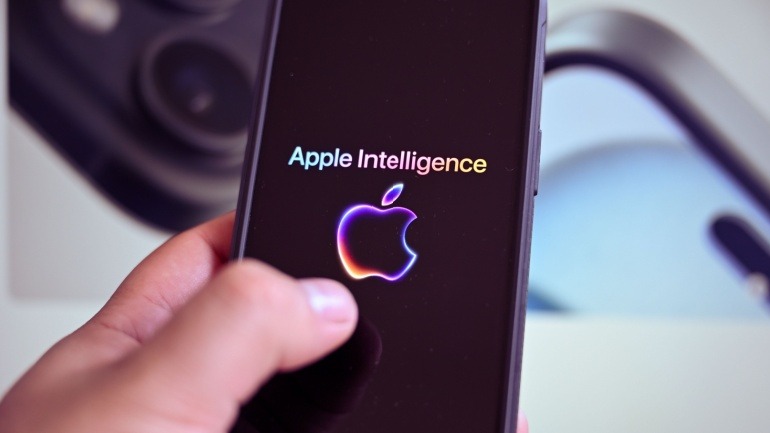
As innovative tech giants push boundaries in autonomous workplace solutions, Apple stands at the forefront with its advanced VoIP systems integrated with cutting-edge agentic AI. With its formidable hardware lineage, Apple endeavors to contend with OpenAI, promising enterprises enhanced VoIP communication, streamlined processes, and reduced human intervention. VoIP innovations are crucial.
Microsoft’s partnership with Publicis Groupe signifies a pivotal moment in VoIP and enterprise AI deployment. Integrating Microsoft 365 Copilot across 114,000 global employees, they endeavor to enhance productivity and innovation. This initiative, spanning creative agencies and data consultancies, addresses language and technology challenges, offering valuable insights for VoIP professionals.
The integration of AI in Unified Communications (UC) is revolutionizing enterprise communication management. AI-native UCaaS platforms seamlessly operate in the background, proactively predicting and resolving issues, enhancing service reliability and user satisfaction. This marks a transformational shift, redefining how businesses approach communication efficiency and governance within complex environments.
Google’s latest Workspace updates enhance Gemini language support, pivotal for organizations aiming to maximize AI benefits. Language inclusivity is crucial to overcoming AI adoption challenges. By addressing language barriers, Google is accelerating global AI integration, offering improved ROI and streamlined workflows for enterprises worldwide.