At the recent Sino-German Economic Forum, China Mobile and Nokia signed a one year framework agreement valued at 1.36 billion euro (9.927 billion yuan) to support the Chinese operator’s transition to 5G infrastructure, while maintaining seamless connectivity. Under this agreement, the Finnish corporation will be providing the Chinese telecom with cutting edge end-to-end technologies for the next generation network, in addition to mobile, fixed, IP routing, optical transport and customer experience management technologies along with their service expertise and support. The two companies have been in partnership since 1994, when Nokia supported the first GSM call on China Mobile’s network. In addition to collaborating on 5G, both companies are moving forward together and have agreed to conduct research and tests on artificial intelligence and machine learning. “This is a highly significant agreement with our longstanding partner that consolidates Nokia’s position as a leading provider of next-generation technologies and services in…
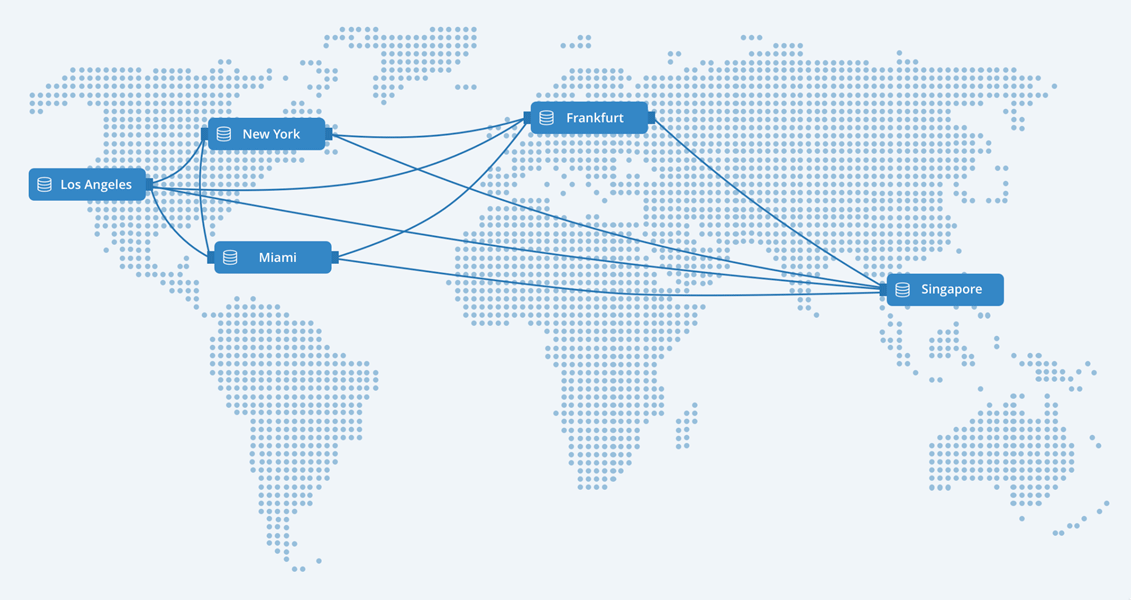
DIDWW continues to grow their global private backbone with the addition of 3 strategically placed points of presence in Los Angeles, Miami and Singapore. These POPs serve the growing voice traffic demands from the West Coast of the USA, Central and South America and the Asia-Pacific regions. “We are constantly expanding our network to exceed the stringent demands of our global customer base,” said Lina Zaboras, the CEO of DIDWW. “This is an ongoing process and is in line with our vision and commitment of providing the highest quality and lowest latency telephony for mission-critical services.” “The recent infrastructure upgrade was designed to support the DIDWW’s core wholesale origination traffic, and also the company’s newly added outbound SIP Trunk for local dialing,” stated Yuri Krichevsky, the CTO of DIDWW. ” In addition, the deployment of DIDWW’s cloud-enabled services such as phone.systems and the call.center platforms has required additional private and secure…
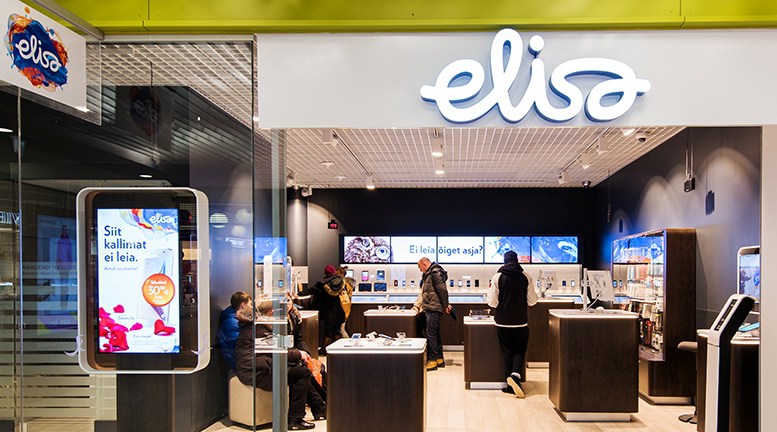
Amongst all the excitement of approaching 5G rollouts, the Finnish operator Elisa has grabbed the headlines by officially announcing that they are the first operator in the world to begin commercial use of a 5G network. Elisa’s first 5G network services were launched in Tampere (Finland) and Tallinn (Estonia). The first person to use the 5G network was Finland’s minister of Transport and Communications, Anne Berner, who made an international video call to Estonia’s minister of Economic Affairs and Infrastructure, Kadri Simson, using Huawei 5G terminal devices. Even though there are no commercial 5G-compatible devices available to the public, Elisa is already offering two types of 5G subscriptions. A significant hurdle that must be overcome for mass 5G rollouts is the issue of licensing. The Finish Ministry of Communications is set to allocate the first 5G licences for the 3.4-3.8 GHz bands in autumn, thereby enabling Finland to maintain their…
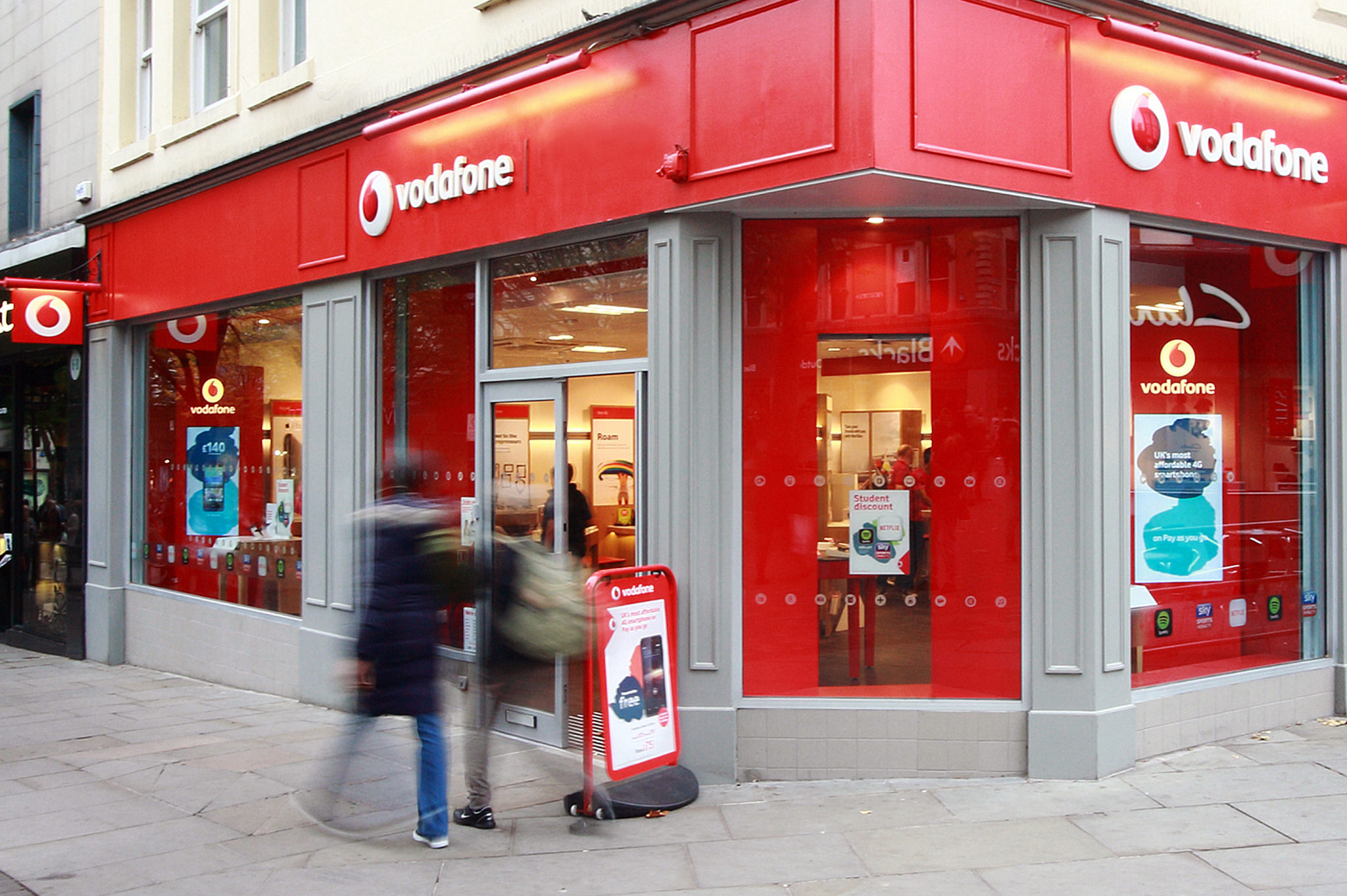
5G will be available for trial in seven cities across the UK. Birmingham, Bristol, Cardiff, Glasgow, Liverpool, Manchester, and London were selected to run the tests on the upcoming network. Those new infrastructures will be running the new 5G at the end of 2018 between October and December. Earlier this year, Vodafone paid £378 million, to get 50Mhz of the 3.4GHz spectrum. Nick Jeffery, Vodafone’s chief executive stated, “We want to make 5G and new fibre broadband services available to consumers and business throughout the UK, delivering a Gigabit society for all. We will also be bringing ultra-fast 4G to several hundred sites in hard to reach rural areas this year, building on our position as the network that offers the best voice coverage in the UK.” Vodafone’s goal is to launch a full 5G service in the UK by 2020, when 5G devices will be available on the market.
After years of hype, we are looking forward to the impending rollout of 5G networks. This transformational technology will lay the foundation for many future services and change how we view productivity. But how will 5G affect you? Speed and responsiveness It is not yet possible to state definitively what network speeds will be reachable, but it is fair to say that the biggest benefit of 5G to the average user will be the speed of this service. Early estimates have shown that data rates could be up to a thousand times faster than 4G, potentially exceeding 10 Gbps. In practical terms, everything we currently do on the Internet would be significantly faster, and these speeds would enable users to download an entire HD film in a few seconds. Responsiveness or latency refers to the time between a request and a response. The ultra-low latency of 5G will result in response…
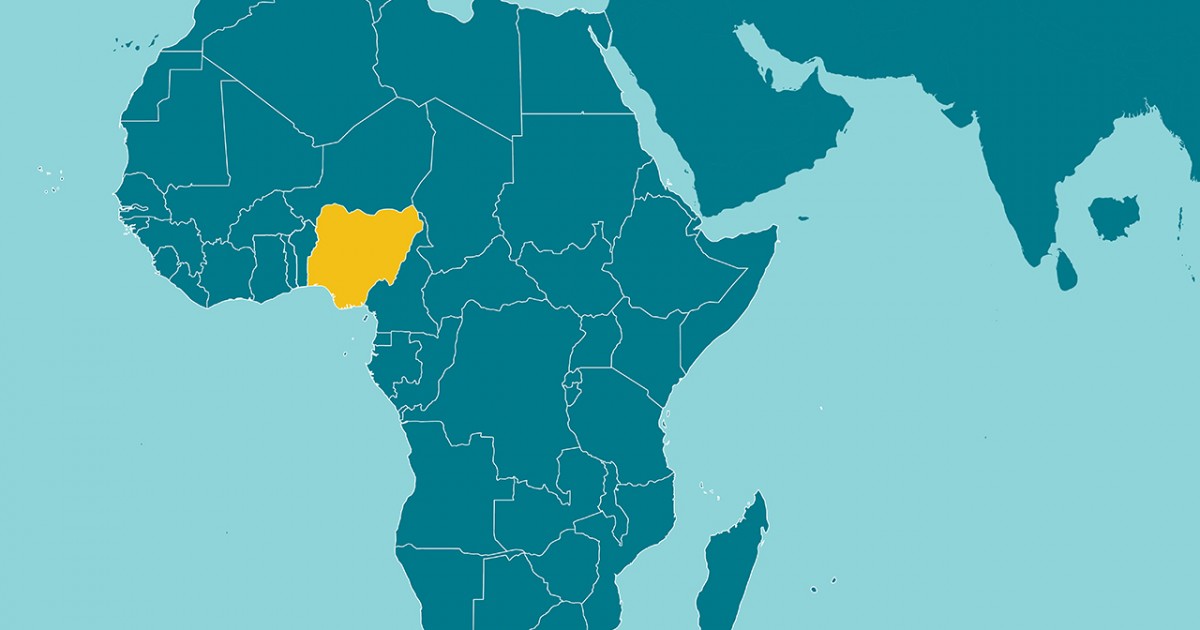
One of Africa’s largest economy, if not the largest (an ongoing debate with South Africa), Nigeria’s VoIP sector has seen in increase of subscription over a period of 12 months. With 93% of growth on one year, VoIP went from 46,348 users in May 2017 to reaching 89,447 in April 2018. Out of the two main operators in that segment, Smile Communications is in charge of 93% of the market with 83,445 accounts against 6,032 for its smaller rival, Ntel network. Still, the VoIP technology is a very narrow market on a GSM-dominated market. So far VoIP represents 0.06% of communications when GSM accounts for 99.7%. This is mainly due to a lack of broadband penetration into the country’s infrastructure. The Nigerian Communications Commission (NCC) assured that it expect to increase broadband penetration to 30%, compared to 22% right now, by putting on policies to achieve this goal. Prof. Umar…
With JPY 518.2 billion of value at the end of March 2018, the production of telecommunication material and devices wend down 24% year-on-year. The reason can be found in the constant relocation of factories, but also in the decrease of investments for this industry. The CIAJ (Communication and Information Network Association of Japan) stated that both business and infrastructure, whether it is landline or wireless, related equipments showed signs of lack of interest by investors. One figure represents this fall down: the production and trade of mobile terminal equipment dropped 39% in those 12 months with JPY 171 billion.
Blockchain will be the next tool used by the TRAI (Telecom Regulatory Authority in India) to fight against aggressive telemarketing, that is using spam calls and SMS. According to the TRAI, blockchain technology is able to track those annoying telemarketers. As they use unregistered phone numbers, they are usually hard to track, and with this new way of fighting against those marketing methods, India’s Telecom regulator will be the first to use blockchain as a mean of regulation. TRAI Chairman RS Sharma said: “Blockchain will ensure two things — non-repudiation and confidentiality. Only those authorized will be able to access details of a subscriber and only when they need to deliver service…“ and added that “TRAI will become the first organization to implement this kind of regulation on such a large scale,” 30 billion commercial calls or SMS are sent every month to users in India. Most of them are…
The secretary-general of the International Telecommunication Union (ITU), Zhao Houlin, explained at a press conference in Geneva, Switzerland, that infrastructure, investment, innovation and inclusion, or the “4 I’s”. Those pillars for information and communication technology (ICT) will be an obligation to reach the UN Sustainable Development Goals (SDG), especially for the next ten years. Infrastructure are essential to hold any economy based on communication and high tech. The future of digital economy in sustainable cities, will largely be based on the capacity to construct strong equipments for those infrastructures, not only to connect people but also objects. Strong investments are fundamental for the development of ICT. In order to see progress on SDG, innovation in the domain of finance will be needed and a mix between public and private investors is one of the solutions. Opportunity is only possible with innovation, thus small companies that base their growth and survival…
A worldwide partnership between CTG (China Telecom Global) and Global Switch was made official. It will allow the two companies to offer Data Centre Network solutions to customers globally. Global Switch already operates, develops and owns carrier and cloud-neutral data centres, that are located in Europe, and the Asia Pacific area. As a part of its services, it provides IEPL (international ethernet private lines), IPLC (international private leased circuits), VPN and IP transit. Deng Xiaofeng, CEO of CTG, expressed his satisfaction : “The collaboration will bring significant value-adds to our existing and future customers, fuelling their development and success with resilient and mission critical data centre network infrastructure.” John Corcoran, CEO of Global Switch, added: “This agreement with China Telecom Global is recognition of Global Switch’s continued commitment to providing customers with industry-leading facilities and solutions across our global portfolio. This initiative will further enhance access to our extensive connectivity…