1324 Results

mobile services

Search

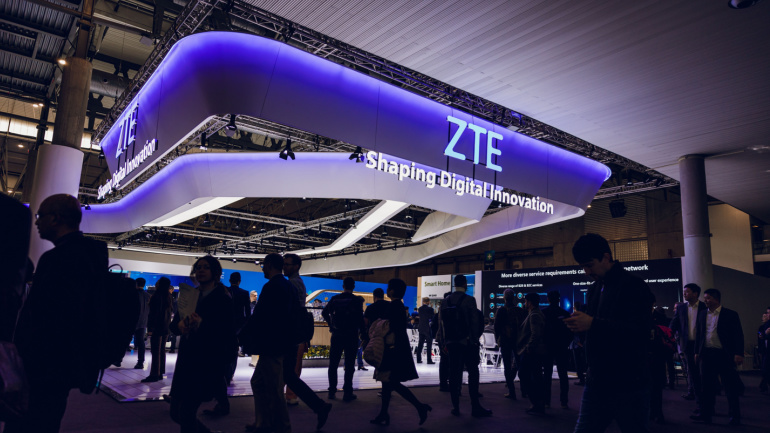
The surging interest in cloud-based applications represents a flourishing sector of the tech sphere, by providing an enhanced user experience and considerable savings on terminal investments. Telecommunication giant, ZTE, demonstrates this potential with their virtual STB (vSTB) solution in the television industry – a pioneering effort that bypasses traditional terminal downturns hampering TV service expansion. This solution effectively confronts challenges of limited service quality and hard adaptation processes linked with operator TV services, and eliminates sizable terminal outlays. Similarly, the cloud STB product presented by China Mobile and ZTE capitalises on China Mobile’s robust computing capacities and thus streamlines content broadcast to every terminal.

OneWeb’s constellation of low Earth orbit (LEO) satellites will enhance network coverage for Softbank, particularly in challenging regions. The move aligns with Softbank’s ‘Ubiquitous Network’ strategy, which unifies diverse non-terrestrial network (NTN) solutions to expand digital services. Besides its surprise partnership with SpaceX’s Starlink, Softbank continues to boost its stake in OneWeb, supporting its Japanese launch and integration into the Ubiquitous Network.

Elevated expectations surround the fixed wireless customer premises equipment (CPE) market, largely fueled by an upsurge in 5G device development. Recent data indicates over twofold growth in 5G FWA CPE shipments, predicting a robust growth of 86% in 2023. However, the fluctuating sample size in the annual survey calls for a prudent interpretation of these statistics. As the data suggests, 5G devices are set to dominate the market, with a projected rise from 29% to 40%. The swift expansion of battery-powered pocket routers promises a solid growth in the overall FWA CPE shipments, with telcos driving 77% of the market. The United States leads in leveraging the 5G technology, promising extraordinary industry advancement.

BYOD VoIP, or “Bring Your Own Device Voice over Internet Protocol,” lets employees use personal devices like smartphones, tablets, or laptops for business calls through VoIP. This approach enhances flexibility, productivity, and cost savings, but it also poses challenges like security risks, device compatibility, and privacy concerns. Implementing BYOD VoIP effectively requires clear policies, network readiness, robust security measures, and employee training.

Infovista is set to revolutionize telecoms with their Ativa™ Suite. Promising to reduce fixed voice blackouts and service disruptions, an impressive aspect of the tech is that it could potentially reduce solution times for CSPs by 66%. This major step towards automation could transform customer relations. While on the other side, milestones such as Ericsson and TDC NET launching Denmark’s first 5G Standalone network, Vodafone initiating the UK’s largest Open RAN rollout, and Vodacom and Eskom venturing into virtual power wheeling, signal a fast-paced evolution of global telecommunications.

EdgeCore Digital Infrastructure has partnered with Zayo to enhance connectivity at its Santa Clara data center. Meanwhile, a US-led operation dismantled the Qakbot malware network, preventing further infections and seizing $8.6 million in cryptocurrency. Global roaming fraud is projected to cost $8 billion by 2028. KDDI and SpaceX plan to launch satellite-to-cellular services in Japan by 2024, bridging connectivity gaps in remote areas beyond 5G and 4G coverage.