In today’s telecom landscape, the trust in voice channel connectivity is dwindling, largely due to unidentified spam calls. Roughly 80% of such calls go unanswered, impacting genuine business interactions. That’s where Hiya comes in. With services like Hiya Protect and Hiya Connect, they redefine call identification, leveraging AI and strategic partnerships with giants like AT&T, Samsung, and Vodafone. Their innovative solutions enhance call transparency and protect brands, thereby revitalizing consumer trust and improving answer rates. Embrace the future of VoIP with Hiya’s tailored, cutting-edge solutions, and restore confidence in your communications.

Telecoms are at a crossroads, seeking a shift from “telco to techco” while optimizing VoIP and AI integration. Despite hurdles, strategic choices in network and service delivery remain crucial. As VoIP technologies evolve, transformative steps in AI and data centers are key for future success and sustainability.
Future Technologies is making waves in the VOIP industry with its bold strategy to become North America’s top private 5G provider by 2026. Partnering with Battle Investment Group, the firm is leveraging acquisitions and equity to enhance its connectivity offerings. With a focus on industrial AI and IoT, Future Technologies commits to delivering superior VOIP solutions, positioning itself at the forefront of technological growth. This move promises significant revenue and workforce expansion, catering to enterprises seeking robust private 5G networks.
In today’s global business landscape, seamless communication is essential. Many companies still rely on outdated telephony models leading to inefficiencies and inconsistent user experiences. A shift to cloud-first solutions integrated with platforms like Microsoft Teams can streamline operations, reduce costs, and enhance communication flexibility for multinational enterprises.
As the wireless landscape evolves, Wi-Fi 8 emerges as the game-changer in VoIP and connectivity solutions. With a surge in devices, Wi-Fi 8 (IEEE 802.11bn) tackles the pressing challenges of current Wi-Fi standards. It promises not just enhanced speeds but smarter, efficient VoIP networks essential for future communications, making it indispensable.
Embracing Bring Your Own Device (BYOD) in the workplace can boost productivity and save costs significantly. However, this trend introduces notable cybersecurity risks, especially amidst growing hybrid work environments. Implementing strong BYOD policies is crucial for safeguarding sensitive data. Organizations must balance technology with user vigilance to ensure security.
T-Mobile US is revolutionizing B2B offerings under the 5G Advanced framework, enhancing enterprise solutions with Edge Control and T-Platform. Edge Control focuses on minimizing latency, crucial for real-time business communications and IoT management. T-Platform provides comprehensive operational insights, enabling businesses to optimize performance and communication efficiencies.
Lenovo’s AI-powered PCs are revolutionizing enterprise VoIP through digital assistants that enhance workflow, automate tasks, and improve decision-making. This strategic move allows businesses to deploy AI agents within their telecommunication systems, ensuring seamless operations. With Lenovo’s innovative approach, enterprises can experience enhanced productivity and robust security in their VoIP infrastructure.
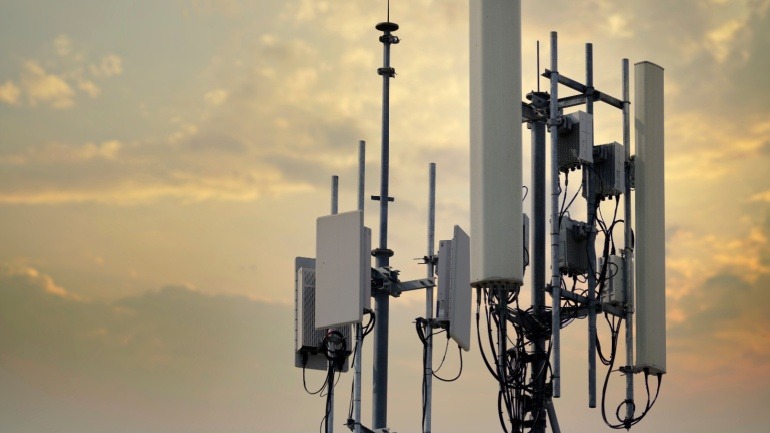
As 5G networks expand, they face challenges related to energy efficiency and carbon emissions. By 2030, unchecked power consumption could represent a significant concern. Recent innovations in O-RAN energy efficiency reveal potential solutions. Collaborations have focused on reducing idle power and optimizing power amplifiers, emphasizing a greener approach for VoIP efficiency.
Atlas Tower’s aggressive expansion in Kenya, backed by a French infrastructure fund, aims to integrate sustainable energy into telecom infrastructures. This support enhances network coverage through energy-efficient solutions. Despite initial costs, long-term benefits include reduced environmental impact and better mobile connectivity. Such initiatives bridge the digital divide.