The GSMA highlights a pressing need for more spectrum to enable 6G network expansion. By the mid-2030s, urban areas might require an additional 2-3 GHz in mid-band spectrum to support burgeoning demands driven by new technologies like extended reality and autonomous vehicles, as well as existing mobile services such as video streaming and gaming.
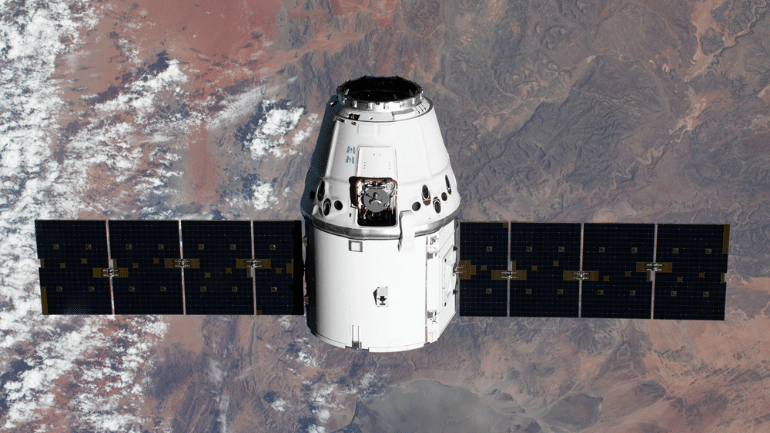
In a surprising twist, EchoStar has reached a groundbreaking agreement with SpaceX to sell its AWS-3 spectrum licenses for $2.6 billion in stock. As SpaceX acquires these frequencies, the deal boosts its plans to offer direct-to-device services. This development aligns with EchoStar’s strategy to offload spectrum, creating potential VoIP opportunities by possibly enhancing SpaceX’s connectivity solutions in consumer and enterprise markets. Speculation is rampant regarding SpaceX leveraging this acquisition to expand into the cellular market, potentially positioning itself as a significant player. The integration of spectrum with satellite technology further intensifies competition and could revolutionize VoIP services.
AT&T is investing $23 billion in spectrum licenses from EchoStar, set to enhance its spectrum portfolio and connectivity capabilities. This move, expected to finalize by mid-2026, aims to expand AT&T’s service reach, boost 5G network strength, and improve internet experiences.
Vietnam’s upcoming re-auction of the 700 MHz low-band spectrum promises significant advancements for 4G and 5G networks. With a starting bid of VND 1.95 trillion, this crucial spectrum enhances coverage and signal quality, especially in underserved areas.
Ofcom has cut mobile spectrum fees by 26% in key bands, saving operators around £60 million annually. Its latest Mobile Matters report shows 5G now makes up 28% of connections, with EE leading in 5G users and Three offering top speeds.
Virgin Media O2’s strategic acquisition of 78.8 MHz spectrum from Vodafone for £343 million is a game-changer in the UK telecom landscape. This move enhances connectivity for both consumers and businesses, boosting mobile coverage and service quality.
The FCC is exploring opening over 20,000 MHz of underused spectrum for satellite use, potentially benefiting companies like SpaceX. This move comes amid rising criticism of Dish Network for underutilizing its licensed frequencies and signals growing regulatory support for the satellite broadband sector.
Viettel has acquired the vital 700 MHz spectrum for $75.2 million, boosting its goal of 99 percent population coverage by 2030. This move enhances 4G and 5G reach, especially in rural areas, and supports emerging IoT applications.
Mobile operators face a growing financial strain as spectrum costs soar while earnings per gigabyte plummet. The GSMA warns this imbalance threatens mobile network investment, potentially degrading service quality. With nearly 1,000 licenses up for renewal by 2030, the report urges governments to adopt fairer pricing.
A federal budget amendment extends spectrum auction authority to 2034, aiming to raise revenue by identifying 600 megahertz for auction. While excluding key bands like 3 GHz and 6 GHz, the plan sparks debate over spectrum use, with industry leaders divided on reallocating the CBRS band.