MasOrange, in collaboration with Ericsson, is set to revolutionize its Radio Access Network (RAN) by integrating the Intelligent Automation Platform. This strategic partnership aims to enhance VoIP capabilities through innovative rApps like the Cell Anomaly Detector, which predictively optimizes network performance, and the RAN Energy Saver, advancing sustainable network management.

Simwood is revolutionizing VoIP communication by integrating WhatsApp for Business into their global network. This innovation allows enterprises using platforms like Microsoft Teams to seamlessly communicate with over three billion WhatsApp users. Carriers and service providers can now offer enhanced customer engagement through voice and text functionalities, leveraging Simwood’s reliable software-defined infrastructure.
Intel’s strategic move to retain its networking and edge (NEX) assets signifies a pivotal shift in enhancing VOIP solutions. By maintaining NEX, Intel aims to foster deeper integration between silicon and software, bolstering offerings in VOIP technology, AI, data centers, and edge computing, ultimately strengthening enterprise and telecom markets.
The digital innovation landscape is buzzing with Vodafone and Sumitomo JV Pairpoint, a frontrunner in VoIP technology. Recently securing €30 million investment, Pairpoint aims to enhance blockchain and IoT platforms, expanding globally. Their focus on strategic realignment and embracing cutting-edge technology showcases revolutionary potential in the VoIP industry.
SaskTel’s integration of Samsung’s cloud-native virtualized core revolutionizes its network infrastructure for a seamless transition to 5G. This innovative approach enhances agility, network efficiency, and automation, aligning SaskTel with the future of telecom. As SaskTel prepares for 5G standalone, expect remarkable improvements in speed and service delivery.
LG Uplus recently faced a technical issue in its AI-based voice call application, ixi O, raising concerns over VoIP data security. A misconfigured caching system exposed private data of 36 users to 101 individuals. LG Uplus swiftly resolved the VoIP security flaw and assured no sensitive data was compromised.
Telecom operators are transforming into key players in AI services, appealing to enterprises seeking seamless AI solutions. Historically focused on connectivity, telcos are now diversifying with AI infrastructure and tools. This shift, prompted by corporate demand, offers substantial growth potential as traditional revenue streams decline. Successful operators harness AI infrastructure, collaborating with platform developers to offer customized solutions and productivity tools. Their strategic advantage includes expansive networks and data centers, enabling competitive pricing and data sovereignty. However, to capitalize effectively, they need to overcome internal challenges and navigate competition from hyperscale cloud providers like AWS and Google Cloud.
AT&T is suing T-Mobile over the new Easy Switch tool, alleging unlawful access to its systems using AI tools. This tool, promising quick network switches, is under fire for allegedly scraping customer data. The lawsuit highlights ongoing tensions and competitive tactics in the telecom industry’s battle for customer acquisition.
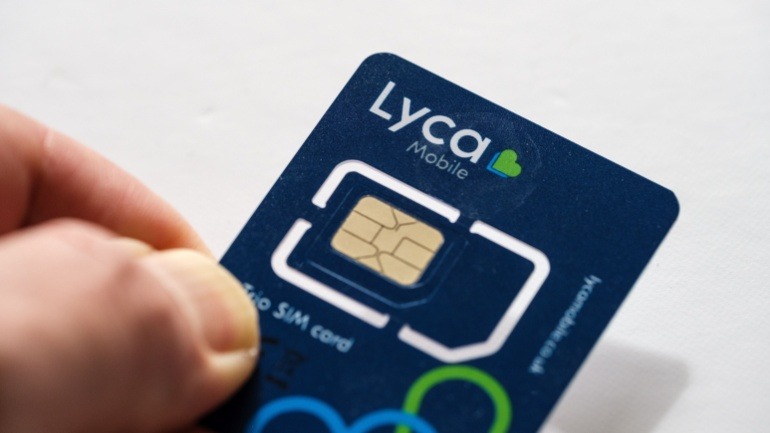
The rise of embedded SIMs, or eSIMs, heralds a transformative shift in mobile telecommunications, championed by leaders like Lyca Mobile. As the industry adopts these innovative solutions, the eSIM’s potential to enhance connectivity and customer experiences becomes undeniable. By eliminating physical cards, eSIM technology supports seamless interoperability across platforms. This advancement simplifies device-switching and optimizes user choices, positioning eSIMs as the future of digital connectivity. Enhanced security and reduced environmental impact further promote widespread eSIM adoption, promising a dynamic and adaptable mobile communication landscape.
AT&T’s recent shutdown of its DEI initiatives aims to gain a crucial spectrum deal with UScellular. By acquiring key spectrum bands, AT&T intends to strengthen its competitiveness in the mobile market. This step echoes a broader industry trend, as telecoms prioritize business expansion over diversity commitments, stirring contentious debates.