Austria’s push to bring Anthropic closer to the EU highlights a growing risk for VoIP, telecom, and cloud communications providers: platform dependency. As AI access becomes tied to sovereignty and export controls, enterprises need resilient communications architecture, predictable AI tools, and smarter UC strategies to protect critical digital workflows worldwide
The EU’s plan to extend the Roam Like at Home zone to Western Balkan countries highlights its commitment to boosting connectivity. This expansion will let residents of Albania, Bosnia, Kosovo, Montenegro, North Macedonia, and Serbia access roaming services without extra fees, fostering economic cooperation and shared European integration. Engaging discussions with these nations aim to ensure compliance with EU roaming regulations, marking a significant move for future collaborations and growth. This initiative underlines the importance of seamless communication for businesses and citizens, paving the way for enhanced opportunities in the region.
Meta faces scrutiny from the European Commission for allegedly failing to prevent minors under 13 from accessing Instagram and Facebook, in breach of the Digital Services Act. This highlights challenges for VOIP platforms in safeguarding user safety while aligning with evolving regulations. Effective age verification becomes crucial to avoid significant financial penalties.
The European Union Cyber Resilience Act is transforming how organizations enhance cybersecurity. Despite implementation hurdles, the CRA demands a “security by design” philosophy, urging IT security teams to report vulnerabilities promptly. Many businesses are creating dedicated teams and utilizing automated platforms like ONEKEY to navigate CRA compliance, addressing sophisticated cyber threats effectively.
Deutsche Telekom is investing in the EU’s IRIS2 satellite project to build a cutting-edge multi-orbital communication constellation. This initiative will enhance Europe’s digital infrastructure, reinforcing technological sovereignty with advanced IT, secure networks, and 5G.
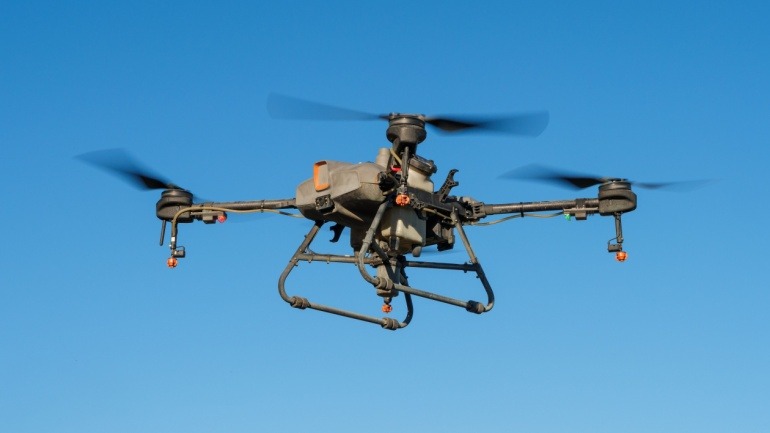
Nokia leads the EU-backed Proactif project, tapping drones and robotics for infrastructure monitoring across Europe. With 43 organizations from 13 countries involved, and notable partners like Nvidia, the aim is revolutionizing surveillance of power grids.
Germany’s cutting-edge tech giants like Deutsche Telekom, SAP, and Ionos are joining forces for a groundbreaking AI data center project, aiming to boost Europe’s digital sovereignty. Capitalizing on the EU’s InvestAI initiative, their goal is to build state-of-the-art facilities housing approximately 100,000 AI chips.
The European Commission has launched a review of merger rules to boost investment and innovation across the EU. Key updates target competitiveness, digitalisation, and resilience, addressing concerns from both telecom operators and regulators. The reform aims to modernize policy amid global tensions.
Nine European nations have formed the “Semicon Coalition” to strengthen the continent’s semiconductor industry. The initiative, launched in Brussels, focuses on research, development, and production, aiming for self-sufficiency amid rising global investments.
The European Commission has approved €227 million to support ams Osram’s semiconductor plant in Austria. This facility will enhance Europe’s chip industry, reduce reliance on foreign suppliers, and produce advanced wafers for key sectors.