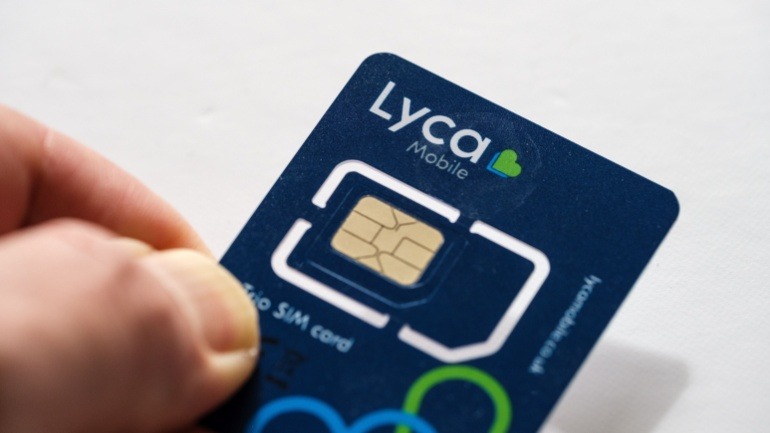
The rise of embedded SIMs, or eSIMs, heralds a transformative shift in mobile telecommunications, championed by leaders like Lyca Mobile. As the industry adopts these innovative solutions, the eSIM’s potential to enhance connectivity and customer experiences becomes undeniable. By eliminating physical cards, eSIM technology supports seamless interoperability across platforms. This advancement simplifies device-switching and optimizes user choices, positioning eSIMs as the future of digital connectivity. Enhanced security and reduced environmental impact further promote widespread eSIM adoption, promising a dynamic and adaptable mobile communication landscape.