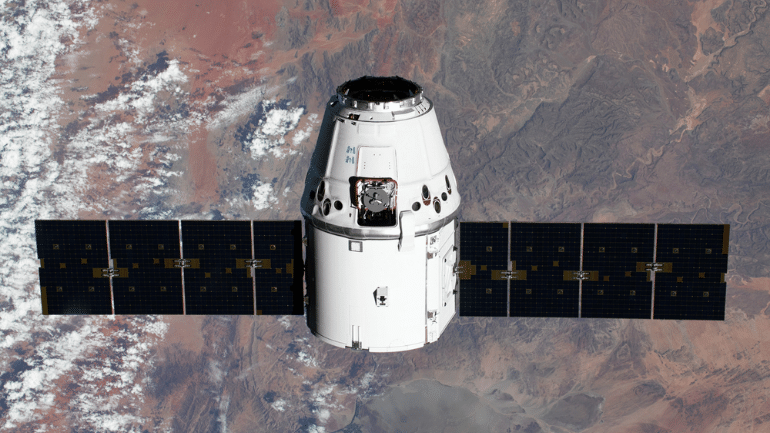
Starlink’s satellite broadband ambitions could reshape mobile and VoIP connectivity as SpaceX adds spectrum and direct-to-device satellites. While Verizon, T-Mobile and AT&T retail networks remain strong, Starlink may find its biggest opportunity in rural VoIP coverage, carrier partnerships and resilient mobile service beyond traditional cell towers and nationwide wireless gaps.
AT&T and Verizon are pushing AI deeper into the RAN to improve throughput, spectral efficiency, coverage, and VoIP network performance. Early trials show smarter automation, faster optimization, and better energy use, but operators say AI must prove measurable value before large-scale deployment across 5G radio networks and customer services nationwide
As 6G shifts from raw speed to business value, telecom and VoIP providers face a new monetization playbook: sell intelligent outcomes, automation, sensing, and seamless connectivity. From ISAC drone detection to Physical AI and private networks, future communications must solve real problems before standards lock in the market globally profitably
Verizon warns 6G must rethink uplink capacity as AI wearables, smart glasses, and cloud agents push constant uploads. For VoIP providers, stronger 6G uplink design, lowband spectrum, and uplink-downlink decoupling could shape future voice, video calling, edge communications, and real-time mobile connectivity beyond today’s download-focused 5G networks for businesses worldwide
SpaceX’s 800 MHz spectrum deal could reshape Starlink Mobile, direct-to-device connectivity, and VoIP services across rural America. By blending satellite coverage with terrestrial wireless assets, Elon Musk’s network ambitions may pressure AT&T, Verizon, and T-Mobile while opening new possibilities for mobile VoIP, broadband bundles, and resilient business communications nationwide soon.
Samsung is redefining mobile communication with ISAC, turning 5G networks into sensing platforms that detect crowd movement without cameras. For VoIP providers and telecom operators, this 6G-ready innovation could unlock smarter venues, privacy-friendly analytics, drone detection, and new revenue from existing network infrastructure while enhancing real-time connectivity services worldwide today.
Telecom operators are redefining VoIP and connectivity strategy through satellite communications 5G coverage AI network automation and secure infrastructure control Nokia AT&T Verizon T-Mobile SoftBank and EU security debates highlight a shift toward resilient networks sovereign access smarter operations and next generation telecom services for businesses governments and remote users
Verizon is moving beyond basic network automation toward agentic AI that can reason, coordinate, and act across complex telecom domains. For VoIP providers, 5G, Open RAN, and smarter network intelligence could improve call quality, uptime, and real-time performance while keeping engineers in control of critical voice traffic decisions at scale
Signals Research Group’s Verizon 5G FDD Massive MIMO tests reveal powerful uplink gains that could boost VoIP quality, mobile collaboration, and enterprise connectivity. With Ericsson radios and MU-MIMO, existing spectrum delivered stronger capacity and efficiency, showing how operators can improve real-time voice, video, and cloud communications without costly spectrum expansion.
Verizon’s $70 million AI training push could reshape telecom careers, helping VoIP professionals, IT teams, small businesses, and displaced workers master practical AI skills. With free courses from major tech partners, the initiative supports smarter network operations, customer support automation, cybersecurity readiness, and the future of AI-powered communications services nationwide.