VoIP providers, much like telecom operators, must focus on enriching customer experience rather than solely banking on network capabilities. The differentiating edge now lies in offering superior, personalized interactions. While 5G and technological advancements are foundational, loyalty is built through bespoke services that align with customers’ evolving digital needs.

Verizon’s defense network security strategy integrates security directly into network design, ensuring robust and seamless protection. At the Defense Communications Forum, flexibility and centralized management were highlighted as key elements. Emphasizing inherent security, Verizon aligns applications with infrastructure, using technologies like VoIP over secure, modernized networks to meet various military needs.
Major U.S. providers AT&T, Verizon, and T-Mobile are launching a joint venture to enhance VoIP connectivity through satellite-based direct-to-device services. By addressing wireless coverage gaps, particularly in rural areas, this initiative represents a significant shift in telecommunications. VoIP will benefit from improved access and increased commercial opportunities.
T-Mobile US reported a stellar quarter, highlighting its strategic focus on top-tier 5G network expansion to support enterprise AI workloads. By capitalizing on its strong value proposition, T-Mobile’s B2B growth outpaces competitors without excessive spend. Aiming for a larger market share, T-Mobile remains steadfast in its commitment to 5G advancement.
Discover how Verizon is revolutionizing connectivity operations at the FIFA World Cup 2026, leveraging private 5G, network slicing, and fixed wireless access. This impressive endeavor across the US, Canada, and Mexico demonstrates VoIP innovation and reliability, ensuring seamless communication for fans and enterprises amid massive data demands.
The transformative journey of private 5G networks is gaining momentum as industry giants like Verizon and Nokia implement strategic shifts. With Jennifer Artley’s exit, Robb Juliano leads Verizon’s private 5G ambitions forward. As Nokia reshapes focus, the telecom world keenly watches these private 5G evolutions, promising innovative enterprise solutions.
Verizon is embracing change with Dan Schulman taking the reins as CEO, aiming to reshape the company into a customer-centric powerhouse in the competitive wireless industry. With expertise from PayPal and AT&T, Schulman is driving Verizon’s transformation by focusing on cost-cutting, reducing churn, and enhancing customer loyalty.
In late 2025, Verizon announced its largest layoff in history, marking a transformative moment for both the company and the telecommunications industry. This move, driven by declining subscriber growth and fluctuating ARPU, highlights a shift towards efficiency. As traditional carrier-funded in-building systems diminish, enterprises must explore cost-effective, carrier-agnostic solutions.
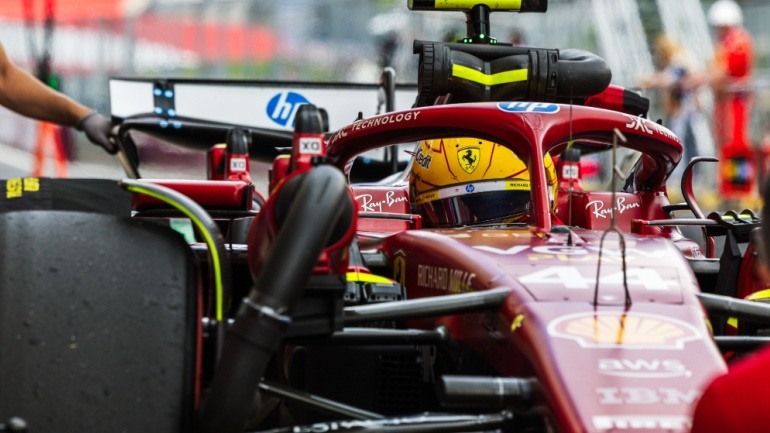
T-Mobile US demonstrated its robust 5G capabilities during the Formula 1 weekend in Las Vegas, spotlighting innovative 5G broadcast advancements as part of its ongoing partnership with F1. The carrier’s utilization of AI for enhanced network performance underlines its commitment to superior customer experiences and seamless service transitions, driving growth through strategic rural expansion.
Verizon is set to implement its largest wave of layoffs, targeting 15,000 positions, under new CEO Dan Schulman. This bold move aims to redefine Verizon’s competitive stance in the wireless market amidst strong challenges from competitors like AT&T and T-Mobile. The strategic layoffs and retail transition signify a pivotal realignment for Verizon.