

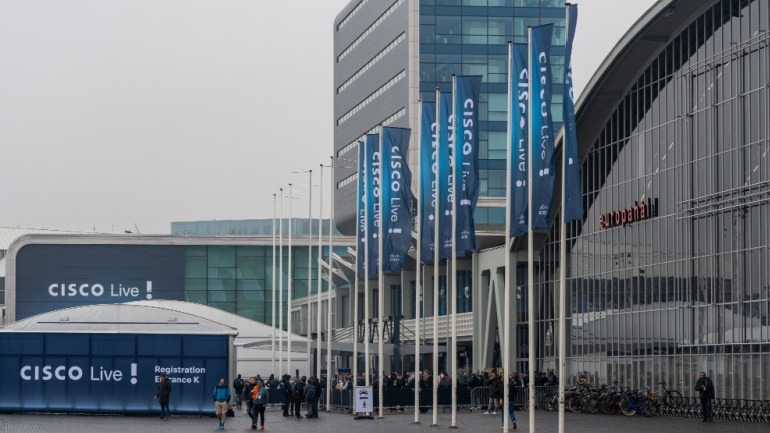
Cisco Live 2026 unveiled a transformative era for managed connectivity, spotlighting agentic networks powered by Cisco Cloud Control and AI-driven operations. Key takeaways highlight Cisco’s robust platform, combining AI-ready data centers, secure connectivity, and digital resilience. These advancements promise to reshape the VoIP landscape, offering enhanced security and streamlined operations for SMBs.

Microsoft’s latest Surface Pro and Laptop for Business integrate AI directly on the device, marking a strategic pivot from cloud-based AI. This shift in enterprise computing emphasizes self-sufficient AI capabilities with reduced latency and connectivity issues. Organizations must rethink PC refresh cycles to remain competitive, as Surface devices redefine AI readiness.
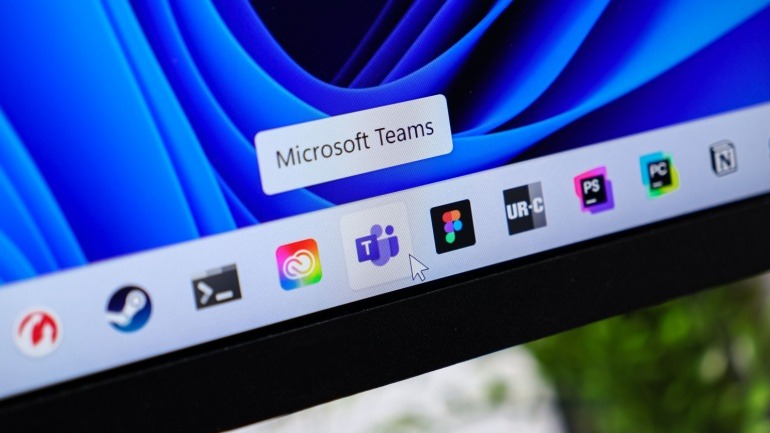
Microsoft Teams will undergo a significant update to its meeting interface, addressing clutter and accidental clicks. Starting July 2026, expect a streamlined toolbar with primary controls grouped together and a redesigned share panel featuring a two-step confirmation for screen sharing. These changes enhance user experience and aim to minimize errors.

Germany’s sovereign cloud initiative advances as Deutsche Telekom and SAP secure a crucial government contract, forming a €250 million PaaS for public administration with high-performance and secure cloud solutions. This project enhances governmental operations while Thales expands its cloud presence in Germany, mirroring success in France.
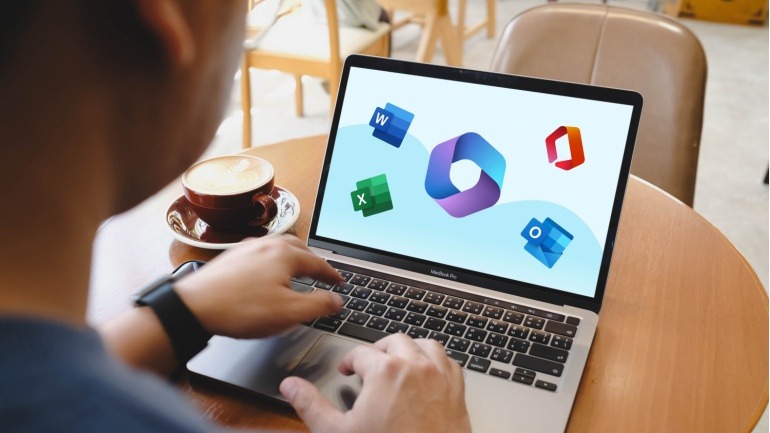
Microsoft’s upcoming pricing update for Microsoft 365, effective July 2026, promises significant changes, with potential price hikes of up to 20%. Businesses, especially those relying on frontline plans, must prepare for cost increases and strategic adaptations, as Microsoft introduces new AI-driven security and management features within the platform.
Workday’s Sana for ITSM integrates seamlessly into its platform, revolutionizing IT support by automating workflows and utilizing HR data for efficient ticket resolution. This leverages Workday’s existing structure, significantly reducing manual interventions. Businesses can experience streamlined IT operations, making it an appealing VoIP solution for dynamic, tech-driven environments.
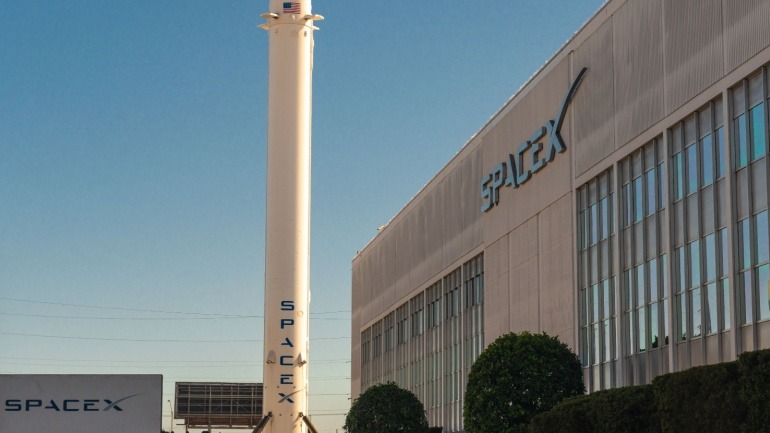
SpaceX’s IPO buzz centers around Elon Musk’s stellar ambitions, highlighting Starlink as a crucial financial engine. In 2025, Starlink served 10.3 million users globally, contributing 60% of SpaceX’s revenue. Yet, financial stability eludes them amid heavy investments in AI infrastructure and satellite advancements. Starlink’s strategic upgrades promise enhanced connectivity and broader market reach.

The telecommunications sector is abuzz with excitement as the Global mobile Suppliers Association (GSA) highlights advancements in non-terrestrial networks. With 275 operator-satellite partnerships operational across 101 countries, the NTN ecosystem is expanding. Notably, satellite-to-smartphone services are emerging as a pivotal innovation, underscoring the evolving landscape of VOIP technology.

Designing immersive workflows with XR (Extended Reality) ensures enterprises achieve productivity gains rather than focusing solely on engagement. XR’s operational advantage lies in enhancing time management, accuracy, and collaboration, thus reducing errors and training times. By integrating smoothly into systems, XR becomes a valuable tool, boosting overall efficiency.

Major U.S. providers AT&T, Verizon, and T-Mobile are launching a joint venture to enhance VoIP connectivity through satellite-based direct-to-device services. By addressing wireless coverage gaps, particularly in rural areas, this initiative represents a significant shift in telecommunications. VoIP will benefit from improved access and increased commercial opportunities.
