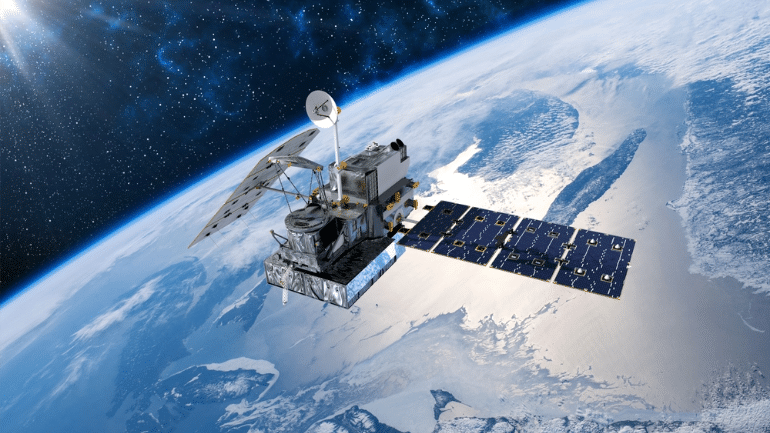
Nokia and ICEYE are joining forces on sovereign satellite communications for governments and defence users. The partners plan to build secure low Earth orbit satellite systems. The first satellites should launch in 2028.
The project targets a growing need in national security. Governments want greater control over critical communications. They also want fewer dependencies on commercial providers during crises.
Under the plan, nations could own the satellites, ground systems, and user terminals. That model gives public agencies tighter command over service rules. It may also reduce exposure to foreign operators.
However, ownership brings responsibility. Governments must fund deployment, manage operations, and maintain skilled teams. They also need strong cyber controls across every network layer.
The companies said the satellite network will not replace existing systems. Instead, it will support military and commercial networks. This matters for resilience, especially during conflict or natural disasters.
Low Earth orbit, or LEO, satellites fly closer to Earth than traditional satellites. This can reduce delay and improve real-time communications. It also requires larger satellite constellations for continuous coverage.
ICEYE brings experience in satellite systems and space intelligence. Nokia adds secure networking expertise and telecom infrastructure knowledge. Together, they aim to deliver a government-controlled communications layer.
ICEYE CEO and Co-Founder, Rafal Modrzewski, said: “Together with Nokia, we are building on our proven space intelligence expertise and delivering sovereign, high-performance satellite communications.
“Nations must be able to fully own and control their communications, without dependency on a foreign commercial operator’s terms of service. We delivered Poland its own radar satellite system in under a year. Partnering with Nokia lets us move at a similar speed for satellite communications, on the timelines nations need.”
The Poland reference is significant. It suggests ICEYE wants fast delivery cycles for national projects. Defence customers often face long procurement timelines. Speed could become a major differentiator.
Nokia President and CEO, Justin Hotard, added: “Sovereign operations depend on the ability to sense, decide and act in real time. Physical AI makes that possible, but only with secure, resilient connectivity across land, sea, air and space.
“By bringing together Nokia’s trusted networks with ICEYE’s proven sovereign space capabilities, we will deliver a satellite communications capability – complementing existing terrestrial networks, and giving nations the situational awareness, connectivity, and control they need to operate with confidence in contested environments across all domains.”
The reference to Physical AI points to automated decision-making in real-world operations. Such systems need reliable data from sensors, networks, and satellites. Weak connectivity can slow decisions when seconds matter.
For telecom professionals, this partnership highlights a wider market shift. Satellite is becoming part of national network strategy. It is no longer only a backup for remote locations.
Still, execution will define success. LEO networks require launch capacity, spectrum coordination, secure terminals, and reliable ground infrastructure. Governments will also need clear rules for interoperability.
Even so, the direction is clear. Secure satellite communications are moving closer to core telecom planning. Nokia and ICEYE now want to place sovereignty at the centre of that shift.