SpaceX’s recent IPO filing has captured attention, revealing Elon Musk’s grand vision for artificial intelligence (AI), satellites, and human life beyond Earth. The document showcases a wide-ranging business strategy, but it comes with significant financial implications. Starlink, the satellite internet branch of SpaceX, has emerged as the pivotal element funding these aspirations.
In 2025, Starlink generated 60% of SpaceX’s revenue, serving 10.3 million users across 164 markets. Despite this success, overall financial stability remains elusive. Musk’s ambitions require substantial capital, with SpaceX’s capital expenditure heavily inclined toward AI infrastructure, anticipating a $26.5 trillion market opportunity.
SpaceX’s mission statement outlines an existential purpose: extending “the light of consciousness to the stars” and safeguarding humanity against potential global disasters. In the document, Elon Musk writes, “We believe we have identified the largest actionable total addressable market (TAM) in human history.” The filing aims to justify its immense projections, hinting at cautious optimism regarding their feasibility.
Starlink is the main financial driver behind SpaceX, yet it posted a loss of $2.589 billion in 2025 despite earning $18.674 billion in revenue. The satellite unit alone made $11.387 billion, with an adjusted EBITDA of $7.168 billion, reflecting a strong market demand. However, even these substantial figures don’t eradicate SpaceX’s losses, as the operational costs and investments remain significant.
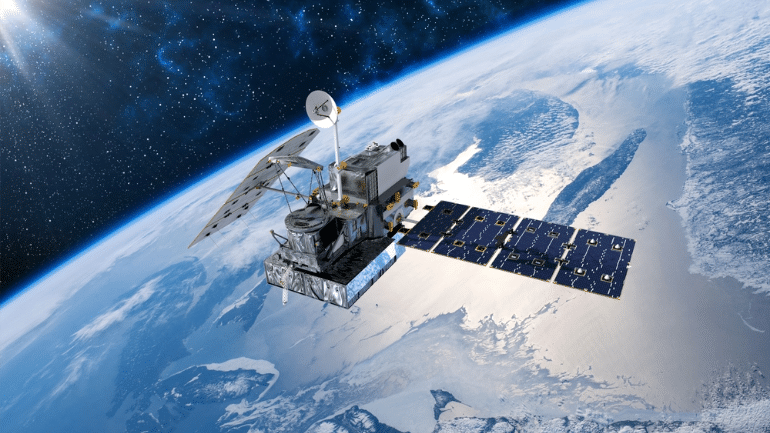
The satellite fleet includes 9,600 units, providing connectivity at an average speed of 225 Mbps to users in numerous regions. SpaceX plans an upgrade with its V3 satellites, delivering 1 Tbps per unit, enhancing their market offering. Additionally, the Starship shuttle is set to deploy 60 V3 satellites per launch, boosting Starlink’s bandwidth and market reach.
Beyond connectivity, SpaceX’s original space operations generated $4.086 billion last year, grappling with operational losses. The substantial spending on R&D, particularly for its Starship, aims to revolutionize rocket reusability, promising better economic prospects in the future.
The filing delves into SpaceX’s AI unit, which recorded a significant operational loss despite generating $3.201 billion in revenue during 2024. The substantial investment reflects the potential long-term growth SpaceX foresees in AI, accounting for the bulk of its capital allocation in 2025.
Ultimately, SpaceX envisions a vertically integrated model, harmonizing rockets, satellites, and AI to create technological and economic synergies. At its core, SpaceX is preparing for a future where the planet’s boundaries aren’t the limits of human potential. The document’s sentiment is summed up in its declaration, aiming to avoid humanity facing the same fate as dinosaurs while offering a vision of an abundant and sustainable future.