


U Mobile and ZTE tested a portable solar-powered 5G site in rural East Malaysia, delivering 4G/5G connectivity via satellite backhaul. The solution can support VoIP calls, mobile broadband, emergency communications, and remote communities where towers are slow to build, helping close coverage gaps with faster, greener network deployment options today
Verizon’s $70 million AI training push could reshape telecom careers, helping VoIP professionals, IT teams, small businesses, and displaced workers master practical AI skills. With free courses from major tech partners, the initiative supports smarter network operations, customer support automation, cybersecurity readiness, and the future of AI-powered communications services nationwide.

AI glasses shipments surged 127% in 1H26, signaling new opportunities for VoIP providers, telecom operators, and 5G networks. As wearables add cameras, audio, translation, and live assistance, they could reshape data traffic, edge computing demand, and enterprise communications while raising urgent privacy, security, and connectivity challenges for businesses worldwide today.

Vodafone and Ericsson are testing AI-powered real-time translation for mobile voice calls, signaling a VoIP innovation. Using Microsoft language models and automatic language detection, the network-based service could make multilingual calling seamless. For telecom operators, AI voice translation promises smarter communications, new revenue opportunities and competition in next-generation VoIP services
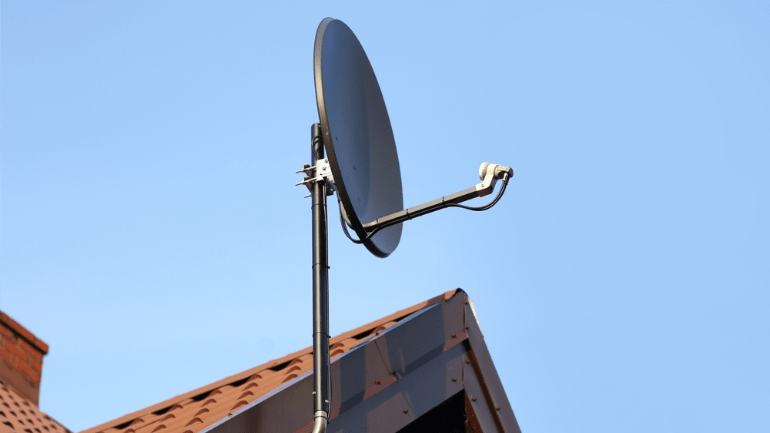
SES and JioStar’s multi-year India satellite deal highlights how resilient broadcast infrastructure supports modern connectivity, from DTH television to VoIP network continuity. Using SES IS-20, the partnership expands reliable content delivery across cities and remote regions, reinforcing hybrid satellite, fiber, and IP strategies for scalable communications growth in South Asia
Lumen Intelligent Internet brings cloud-like flexibility to enterprise connectivity, helping businesses scale bandwidth on demand for AI, cloud, and VoIP traffic. With API-driven controls, predictable pricing, and built-in DDoS protection, the service supports dynamic networks where reliable business VoIP, SIP trunking, and real-time communications require agile, secure Internet performance today.
NTT and Cailabs are advancing laser-based satellite communications that could bring fiber-like speed, lower latency, and stronger capacity to global networks. By linking optical ground stations, APN data centers, and space infrastructure, the partnership supports scalable VoIP, cloud, enterprise connectivity, telecom backhaul, and real-time communication services in hard-to-reach areas worldwide.

Vodafone’s latest report warns that Internet shutdowns are rising worldwide, threatening VoIP connectivity, emergency communications, business continuity, and digital access. As operators advance satellite IoT, AI network automation, drone sensing, and resilient interconnection, the telecom industry faces a critical challenge: keeping voice, data, and essential services online during crises globally.

Satellite direct-to-device services are reshaping mobile spectrum policy, opening new possibilities for VoIP connectivity, rural coverage, emergency calling, and 5G integration. As regulators balance NTN innovation with interference risks, telecom providers must prepare for a converged future where mobile networks, satellites, and voice over IP services work together globally securely.

Goodman Group’s $455 million funding for HKG10 in Hong Kong accelerates data center capacity for cloud, AI, enterprise connectivity, and VoIP services. By converting a Tsuen Wan warehouse, Goodman supports resilient digital infrastructure, low-latency networks, and telecom growth in Asia’s supply-constrained market, strengthening the backbone for modern communications worldwide today
