Hispasat will lead the ground segment for Europe’s IRIS² satellite communications programme. The contract exceeds €1.6 billion and marks a major role for Spain’s satellite operator.
The decision follows talks between the European Commission, the European Space Agency, and SpaceRISE. The consortium includes Eutelsat, Hispasat, and SES. Together, they plan to build a secure European satellite network.
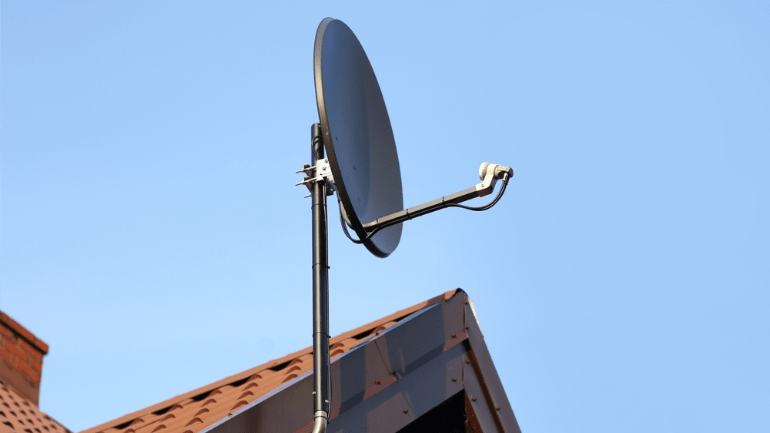
Hispasat will build and manage the ground infrastructure. This includes antennas, control systems, and connections to terrestrial networks. In simple terms, the ground segment links satellites to real-world users.
That work matters because satellites cannot deliver services alone. They need reliable ground systems for routing, control, security, and service management. For telecoms teams, this layer often decides service quality.
IRIS² aims to provide secure communications for governments, defence users, and businesses. First services are planned for 2030. The wider programme should cost €15.6 billion and include 342 satellites.
The project gives Europe a stronger position in satellite connectivity. It also supports digital sovereignty, where Europe controls critical communications assets. That goal has gained urgency as geopolitical risks increase.
However, the scale brings pressure. A 342-satellite system needs tight coordination. Ground systems must handle security, latency, traffic control, and regional coverage. Any delay could affect service targets for 2030.
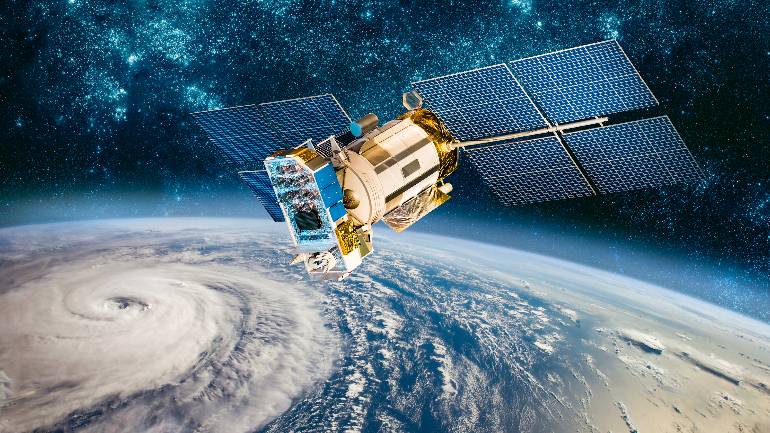
Hispasat will also lead the programme’s very low Earth orbit layer. These satellites will operate below 750km above Earth. This lower orbit can reduce signal delay compared with higher satellite systems.
The company said this layer should support direct links to mobile devices. It could also help Internet of Things services in remote areas. That may benefit industries such as transport, energy, logistics, and emergency response.
Still, direct-to-device satellite service remains difficult. Devices have small antennas and limited power. Operators must balance coverage, capacity, spectrum use, and service cost.
Hispasat has also agreed to invest up to €600 million. The investment secures access to non-geostationary orbits in strategic regions. These orbits allow satellites to move relative to Earth, unlike fixed-position satellites.
HispaSat CEO Luis Mayo, said: “With the agreement reached between SpaceRISE, the European Commission, and European Space Agency, we are strengthening our position among the leaders of the European space industry and in its main business areas.
“We will lead the largest ground segment developed to date in a European Commission program and ensure access to low Earth orbit with the highest technological and safety standards, reinforcing our position as a multi-orbit operator and laying the foundation for the HispaSat of the future.”
For telecoms operators, IRIS² could become a valuable backup and coverage layer. It may extend secure connectivity beyond fibre and mobile networks. Yet success will depend on execution, pricing, and integration with existing infrastructure.