ARABSAT and LTT have signed a new agreement to expand satellite connectivity across Libya. The partnership aims to strengthen national communications infrastructure and support wider digital transformation.
The agreement brings together ARABSAT’s regional satellite reach and LTT’s local telecoms expertise. Together, they plan to serve government bodies, enterprises, operators, and critical sectors.
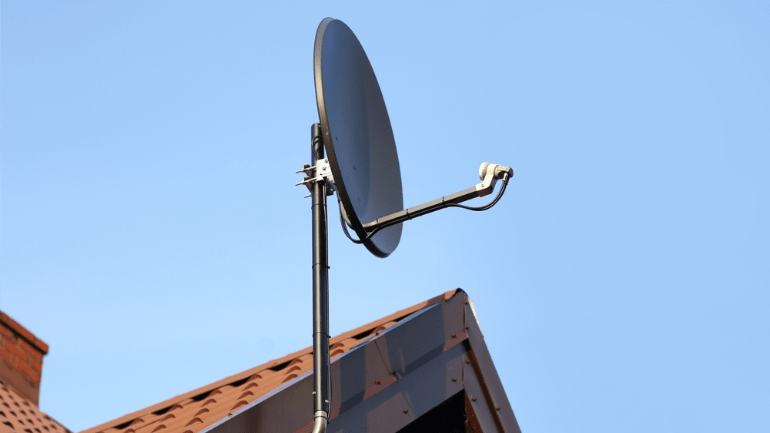
At the centre of the deal sits High Throughput Satellite capacity. HTS technology delivers more data capacity than traditional satellite systems. It does this through focused beams, which improve performance across targeted areas.
Under the agreement, ARABSAT will provide capacity on Arabsat-6A. The satellite sits at 30.5 degrees east. LTT will use it for current connectivity needs and future demand.
This move could help Libya address connectivity gaps across remote areas. Satellite services can reach locations where fibre or mobile networks remain limited. That makes them valuable for public services, energy sites, transport, and emergency communications.
However, satellite networks also need careful planning. Capacity costs, terminal deployment, and service quality must align with user needs. Latency can also affect some real-time applications, though modern systems continue to improve.
Commenting on the agreement, ARABSAT CEO, Dr. Badr N. Alsuwaidan, said: “The signing of this agreement marks a new strategic milestone in the collaboration between ARABSAT and Libya’s telecommunications sector.
“It also reflects the depth of the institutional relationship between ARABSAT and the Libyan International Telecommunications Company (LITC), one of ARABSAT’s principal shareholders, underscoring our shared commitment to advancing the telecommunications sector, strengthening digital infrastructure, and supporting Libya’s digital transformation ambitions.”
The agreement also opens the door to broader cooperation. Both organisations may explore expanded services and new satellite-based solutions. These could support operators seeking resilient backhaul, or enterprises needing reliable private connectivity.
For telecoms engineers, the deal highlights satellite’s growing role in hybrid networks. Operators increasingly combine fibre, mobile, microwave, and satellite links. This approach improves coverage and adds redundancy when terrestrial routes fail.
LTT chairman Ammar Al-Bouzaidi added: “The signing of this agreement marks an important milestone in our collaboration with ARABSAT.
“By combining ARABSAT’s advanced satellite capabilities with LTT’s national expertise, we will strengthen our communications infrastructure, enhance service quality, and deliver reliable connectivity solutions that support the evolving needs of our customers and the future development of Libya’s digital economy.”
The partnership reflects a wider regional trend. Satellite connectivity now supports national cloud, security, and telecom strategies. It no longer serves only remote backup links.
For Libya, this agreement could become a practical step toward stronger digital infrastructure. Its success will depend on deployment speed, service reliability, and market adoption. If executed well, it may improve connectivity for sectors that need dependable communications most.