


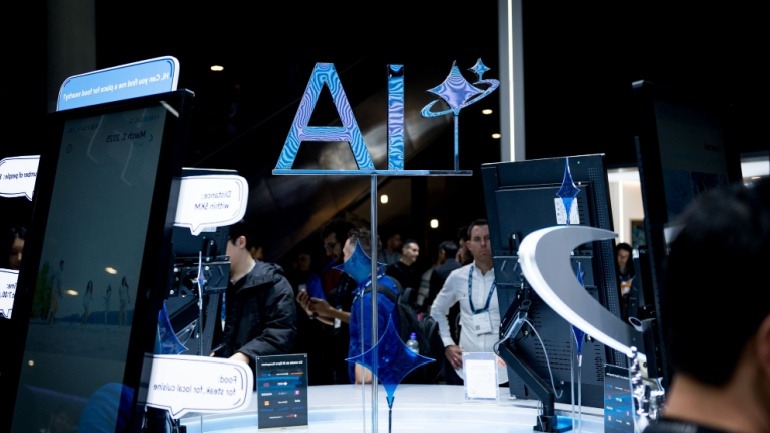
In the ever-evolving telecommunications industry, embracing AI is now a necessity rather than a choice. Abhishek Sandhir of Sand Technologies warns that telcos resisting AI risk extinction. Emphasizing AI can boost telecom revenues and redefine their future amidst increasing consolidation and M&A activities. For telcos, adopting AI ensures cost efficiency, personalized interactions, and network optimization.

Embracing AI-driven predictive maintenance in operations helps minimize downtime and enhance equipment life. Microsoft Teams plays a pivotal role, offering a digital command center that unifies data and facilitates real-time decision-making. This innovative approach optimizes VoIP communications among engineers, ensuring informed choices and transforming industrial efficiency.

Microsoft’s Ignite 2025 reveals a strategic VoIP shift towards robust AI governance. With tools like Agent 365 and Entra Agent ID, Microsoft highlights the importance of security, compliance, and automation in today’s VoIP landscape. Businesses prioritize “AI-accountable” systems, ensuring risk management over fleeting features. Enhancing AI governance embodies Microsoft’s visionary approach.
BT is making significant strides in cost-saving initiatives, primarily through the strategic deployment of AI across its operations. This adoption is transforming BT’s efficiency, particularly in its BT Consumer division, by automating processes like customer care and marketing. As AI reshapes BT, the focus remains on maintaining service quality amid workforce reductions.

Orange is integrating multilingual AI into its Maxit super app, enhancing voice interactions in African languages like Wolof. This technological push, showcased at the Orange OpenTech event, aims to democratize digital access across Africa and the Middle East. Collaborations with OpenAI, Meta, and Nvidia support this innovative transformation in VOIP solutions.

Deutsche Telekom is actively seeking co-investors to bolster its ambitious AI Gigafactory initiative in Germany. This aligns with the European Commission’s InvestAI efforts to strengthen AI compute infrastructure across Europe. By forming strategic alliances and providing off-balance sheet financing options, DT aims to spread risks and enhance financial capabilities.

In the evolving landscape of contact center security, BT’s innovative collaboration with Pindrop tackles the surge in voice fraud and deepfake threats head-on. By integrating advanced voice authentication and AI-powered security into their communications network, BT enhances VoIP systems, simultaneously safeguarding enterprises and improving customer trust. As fraudulent tactics become more sophisticated, leveraging technologies like Phoneprinting and behavioral analytics within VoIP solutions becomes essential. The synergy between BT and Pindrop exemplifies how state-of-the-art VoIP security solutions not only protect but also streamline operations in a digital-first era, paving the way for secure, efficient communication channels.

The telecom industry is transforming with agentic AI, as 41% of Communication Service Providers focus on network management enhancements. This shows a shift from AI’s traditional role in customer service to being integral in operations. CSPs must strategically and responsibly implement AI, ensuring reliable and secure VoIP network management solutions.

Deutsche Telekom has unveiled its AI-powered RAN Guardian Agent, created with Google Cloud, to revolutionize network management. This tool enhances efficiency by autonomously monitoring performance and suggesting optimizations. By leveraging AI, Deutsche Telekom aims to solve network issues swiftly, promising improved service and representing a leap in VOIP network management.

The future of technology lies in embodied AI, a pivotal shift impacting industries beyond imagination. From autonomous vehicles to industrial robotics, this integration reshapes VoIP systems, highlighting seamless data interaction. Companies that harness this synergy will revolutionize VoIP capabilities, ensuring sustainable growth and competitive advantage in the connected world.
