



T-Mobile US demonstrated its robust 5G capabilities during the Formula 1 weekend in Las Vegas, spotlighting innovative 5G broadcast advancements as part of its ongoing partnership with F1. The carrier’s utilization of AI for enhanced network performance underlines its commitment to superior customer experiences and seamless service transitions, driving growth through strategic rural expansion.

The radio access network market is stabilizing, offering a promising outlook after past downturns. While the RAN growth remains steady, the mobile core network shows impressive gains, especially with 5G developments. Companies like Ericsson and Nokia are key players, advancing telecom infrastructure with innovative VoIP solutions, paving the way for future growth.

As the telecom industry gears up for 2025, security investments take center stage, driven by rising cybersecurity threats like DDoS and malware. This trend is crucial for VoIP providers focused on protecting data privacy and ensuring robust communication systems. Despite significant investment pressures, prioritizing security alongside 5G advancements remains a top strategy.

Cellhub has introduced the VOSIO™ x62 5G Dongle, promising a new era in mobile connectivity with enhanced security. Ideal for industries like healthcare and finance, this device offers peak speeds of 2.5Gbps without relying on Wi-Fi. Channel partners can capitalize by adding this innovative solution to their portfolios.

China Mobile International is driving cross-border private 5G adoption, aiding Chinese enterprises in building global networks and assisting international manufacturers entering China. With about 64,000 private 5G networks, China’s cohesive regulatory ecosystem fosters rapid growth. CMI provides turnkey solutions through local collaboration, supporting seamless industrial expansion worldwide.

Explore how 5G Fixed Wireless Access (FWA) transforms home broadband with innovative self-installable outdoor Customer Premises Equipment (CPE) from Solace Power. Overcome indoor signal challenges with wireless, window-mounted CPE that boosts spectral efficiency. This evolution promises enhanced connectivity and reliability, propelling the FWA technology into new growth possibilities.

Nokia and Latvian telecom operator LMT have joined forces to enhance Baltic defense communications using Nokia’s 5G technology. This strategic collaboration promises a high-capacity, secure system for defense operations, enabling real-time data exchange and secure interoperability. By leveraging 5G’s high-speed connectivity, this partnership aims to advance military capabilities and strengthen defense strategies.
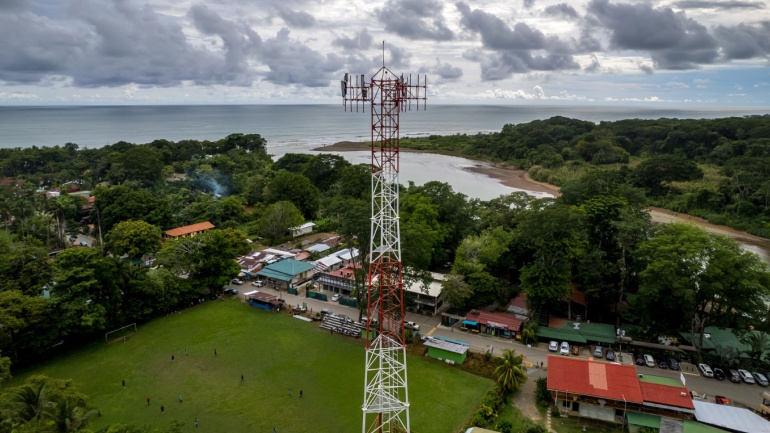
Costa Rica is ambitiously moving towards nationwide 5G network establishment. ICE, the telecom leader, has completed its tender and is reviewing proposals. This billion-dollar project seeks to elevate Costa Rica’s digital connectivity. ICE’s tender received global bids from giants like Nokia and Huawei, reflecting international confidence in its vision.

Telecommunications giants face a pressing challenge: enhancing the customer experience amidst expansive investments in 5G and IoE. Traditional, reactive frameworks fall short, often missing preemptive opportunities. By embracing cognitive edge architecture, providers can transform how VoIP platforms handle IoE signals, leading to predictive, seamless interactions that boost satisfaction.

Jersey Telecom’s partnership with CVC DIF to acquire Manx Telecom signifies a strategic move to bolster resources and spur innovation in the telecommunications industry. This acquisition can enhance service offerings, especially in advanced VoIP technologies and digital infrastructure. Leveraging new capital and expertise might improve connectivity and customer satisfaction.
