






The UK government is bolstering telecom consumer protection by engaging major operators like BT, Virgin Media O2, and Vodafone to prevent unexpected price hikes in contracts. With the telecom sector’s evolution, emphasizing transparency ensures that consumers can trust their mobile and broadband providers, safeguarding connectivity and fostering digital growth.
AWS and Google Cloud have collaborated to introduce a revolutionary multicloud connectivity service that facilitates faster and more reliable VOIP connections. Responding to the demand for efficient data exchange, this service enables users to establish private, high-speed connections swiftly. Emphasizing seamless infrastructure integration, it’s set to transform digital communication strategies.
As customers are constantly bombarded with information, businesses must adopt efficient, relevant, and non-intrusive communication methods. One technology that has seen a significant rise in popularity is Application-to-Person (A2P) SMS, which facilitates the automated delivery of text messages from an application to a person’s mobile phone.
Nokia and Bharti Airtel have teamed up to offer developers in India a seamless integration of network capabilities via the Network as Code platform. This strategic move provides access to Airtel’s network APIs, enhancing VoIP capabilities with AI, 5G, and edge computing. This collaboration empowers innovation and creates new revenue channels in telecommunications.
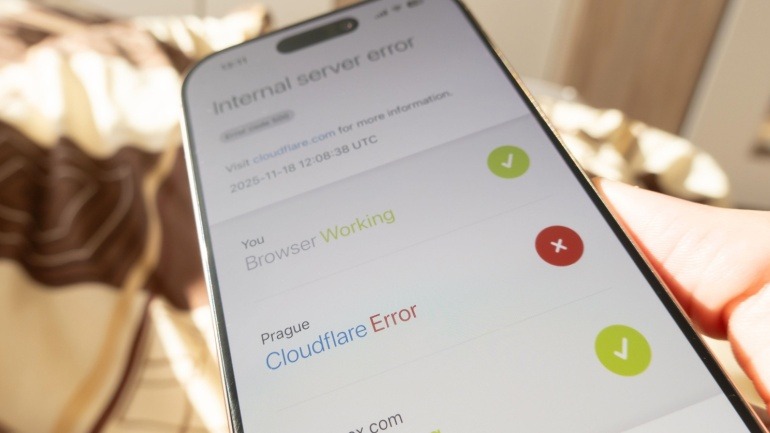
The Cloudflare outage highlights critical issues in VoIP and enterprise infrastructure’s reliance on a few providers. This dependence can lead to vulnerabilities, challenging assumptions about reliability. Businesses may need to rethink strategies to avoid single points of failure. Resilience, modernization, and regulatory focus are essential to ensure stability in VoIP services.
Discover how Internet Service Providers in the UK are transforming with value-added services to stand out in the competitive market. VoIP services, cloud gaming optimization, and cybersecurity tools are enhancing consumer experiences. Stay informed on the latest VoIP trends and how these innovations are reshaping internet services.
Telecom operators are transforming into key players in AI services, appealing to enterprises seeking seamless AI solutions. Historically focused on connectivity, telcos are now diversifying with AI infrastructure and tools. This shift, prompted by corporate demand, offers substantial growth potential as traditional revenue streams decline. Successful operators harness AI infrastructure, collaborating with platform developers to offer customized solutions and productivity tools. Their strategic advantage includes expansive networks and data centers, enabling competitive pricing and data sovereignty. However, to capitalize effectively, they need to overcome internal challenges and navigate competition from hyperscale cloud providers like AWS and Google Cloud.
América Móvil and Entel are individually pursuing Telefonica’s assets in Chile, ending plans for a joint bid. With both telecom giants now independently assessing opportunities, Chile’s telecom market could see major shifts. This competitive landscape ensures intriguing dynamics, as each seeks to leverage strategic advantages in acquiring Telefonica’s lucrative assets.
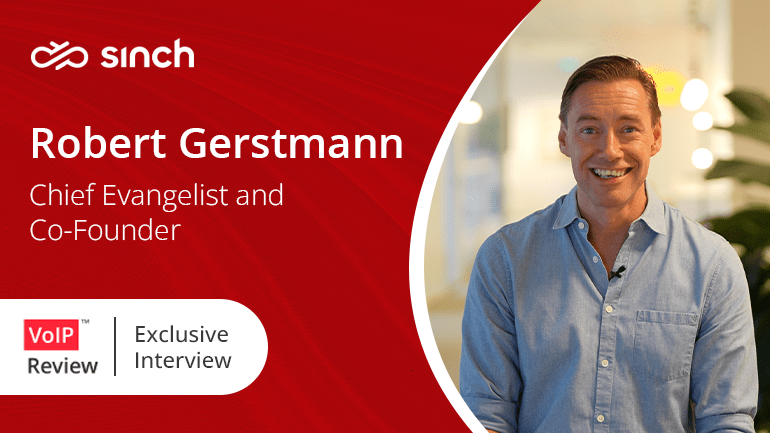
Amid Black Friday’s digital communication surge, Sinch reported a 144% increase in AI-powered Rich Communication Services. Businesses increasingly favor rich messaging formats, blending traditional channels like SMS and email with interactive VoIP solutions. This shift underscores the essential role of AI in creating standout conversational experiences in competitive markets.
AT&T is suing T-Mobile over the new Easy Switch tool, alleging unlawful access to its systems using AI tools. This tool, promising quick network switches, is under fire for allegedly scraping customer data. The lawsuit highlights ongoing tensions and competitive tactics in the telecom industry’s battle for customer acquisition.