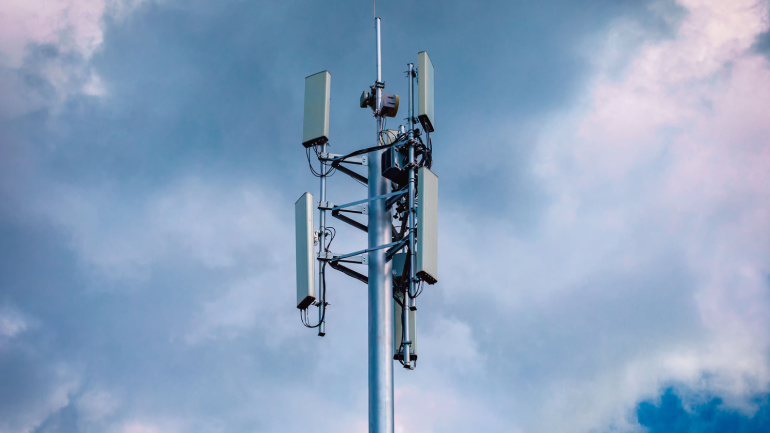
Telecom operators globally embrace digital transformation, with East Asia dominating the top positions in Omdia’s benchmark. China Mobile leads, driven by high-speed broadband deployment and innovative service development, followed by SK Telecom’s AI-focused reinvention.
Nigeria’s mobile market experiences a significant shift as the NCC allocates 25 MVNO licenses, driving competition and expanding service offerings. This move aims to improve connectivity in rural areas and transform the African telecoms ecosystem in 2023.
The European Commission allocates $9.2 billion for R&D initiatives in telecoms and semiconductor sectors, targeting innovative microelectronics, 5G and 6G technologies. To support digital sovereignty goals, private investment of $15.5 billion and 56 companies are involved.
Cisco and AT&T’s collaboration unveils Webex Calling and SD-WAN solutions, transforming hybrid workforces with seamless, mobile-first experiences and reduced costs. The integration of secure on-demand connectivity and self-service options for small and medium businesses optimizes secure access and boosts productivity.
Hangzhou leads the digital revolution with the Dual 10 Gigabit City project, partnering with industry giants like Huawei to foster 5.5G technology, enhance connectivity and pioneer innovative applications for a smarter future.
Discover how Digital Realty’s sponsorship of Submarine Networks EMEA showcases their dedication to the subsea community, facilitating discussions on vital industry challenges. Their carrier-neutral data centers and Cable Landing Stations play a crucial role in future telecommunications developments.
Rising Ransomware Costs Versus Cybersecurity Countermeasures Industry reports indicate that hackers are thriving despite advancements in cyber defense. The median cost of ransomware attacks has doubled to $26,000 over the past two years, with 95% of incidents resulting in financial loss ranging from $1 to $2.25 million. Social engineering and phishing remain highly effective tactics due to the human element. Senior leadership is increasingly becoming a cybersecurity threat. Governments and law enforcement agencies are taking more decisive actions against high-profile attacks, but these measures mainly deter hackers from targeting less coordinated markets. IoT devices used in DDoS attacks have risen to 1 million, accounting for 40% of global DDoS traffic, necessitating stronger network security and awareness. Despite improved measures, hackers are expected to continue succeeding. Read the full article Viasat Selected for AFRL’s ARBALEST Program: Enhancing Tactical Space Connectivity Viasat Inc., a global communications company, has been chosen by the…
EE enhances 4G coverage by deploying small cells across UK towns and cities, reducing congestion and increasing capacity in high traffic areas. Utilizing advanced network analytics and Nokia’s 4G technology, EE aims to seamlessly integrate small cells into its future 5G network.
Discover how new regulations could boost UK drone industry, as a recent report unveils key recommendations to enhance competitiveness and tap into a potential £45 billion contribution to the economy by 2030.
Telekom Malaysia and China’s ZTE embark on an R&D partnership for network and digital transformation strategies, raising questions about potential geopolitical ramifications. Reflecting Malaysia’s growing interest in collaborating with Chinese suppliers, the deal’s long-term effects remain to be seen.