4319 Results

AT

Search

Cellnex, the infrastructure titan, is considering the sale of tower assets in Austria and Ireland in a push to offload financial burdens and deepen roots in the European market. This shift in focus, triggered by last year’s UK Hutch deal completion, aims for organic growth, investment-grade rating, and debt management via strategic divestments. CEO Patuano hints future cash generation post 2027 and potential interest in bidding for Deutsche Telekom’s GD Towers business, crafting a more efficient operational blueprint.

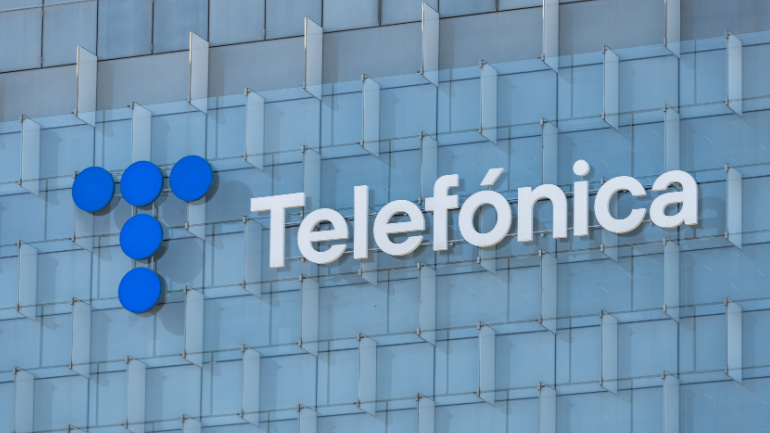
In an intriguing shift, Telefónica, the Spanish telecom titan, is exploring potential profits from selling its Tech unit, stirring up future predictions. Insider details reveal engagement with multiple financial institutions and a goal to retain majority control, a factor that might affect investor incentive. Amid this, the Tech division’s impressive financial growth and its strategic significance in enterprise technology are undeniable.

Switching to a cloud-based VoIP system has the potential to cut CO2 emissions from telephony equivalent to removing 22 million cars from the road. In an era prioritizing sustainability, traditional landlines contribute to significant carbon footprints and electronic waste. VoIP, utilizing the internet’s power, eliminates physical infrastructure, reduces electronic waste, and operates efficiently. Beyond resource conservation, VoIP’s energy efficiency, support for remote work, and future innovations, including AI optimization and renewable energy sources, position it as a sustainable solution. Join the movement for a cleaner world with every VoIP-powered conversation—a pledge to the planet.

In a strategic move to bolster its European presence, nLighten, the digital infrastructure platform under the umbrella of I Squared Capital, a renowned global infrastructure investor, has successfully acquired Gyro Center (“Gyro”), a high-performance data center situated in Amsterdam. This acquisition marks a significant stride for nLighten as it progresses towards realizing its ambition of establishing and operating the foremost data center platform in Europe.

The GSMA annual report depicts a thriving European mobile industry, contributing over €910 billion to the economy in 2022 with projections to hit the €1 trillion mark by 2030. Despite impressive mobile coverage across Europe, certain challenges persist. The report suggests mobile operators need to make sustained investments in networks to meet global competition, and regulatory reform is crucial. Yet, some caution that this could lead to higher prices and no increase in investment, exemplified by the US situation.

In a significant move, Australia has auctioned off 3.4 GHz and 3.7 GHz spectrum bands, amassing a considerable A$722 million. Telstra emerged victorious, with plans to enhance its 5G offerings, notably in rural Australia. However, Telstra’s rivals also secured frequencies, with speculation around their strategic plans. ACMA chair affirmed the benefits of this allocation for digital connectivity and competition, reflecting the shared optimism of telecom regulators and companies.

Ericsson, Vodafone, and Qualcomm Technologies recently pioneered data transmission via RedCap on a European network for the first time, unlocking a more streamlined, efficient mode of connectivity for IoT and other devices. Tested on Vodafone Spain’s 5G platform, the Ericsson’s RedCap technology enhances connectivity potential while providing economic and efficient data transmission. Furthermore, the demonstration introduced a new technology, New Radio Light, for extending battery life of customer devices.

As Algar Telecom turns 70, the prominent Brazilian ISP continues to seize market share amidst 10,000 competitors. Serving 1.5 million customers across Brazil, they masterfully intertwine fiber broadband, wireless, and content services, satisfying the divergent needs of B2B and B2C consumers. The strategic blend of high-tech infrastructure and seamless customer experience propels Algar’s journey, pivoting on the indomitable broadband, termed as the “cardinal element”. Additionally, foreseeing the potential of the imminent 5G rollout, Algar’s game plan involves marrying fixed-line connectivity with wireless services, laying a robust groundwork for the future.