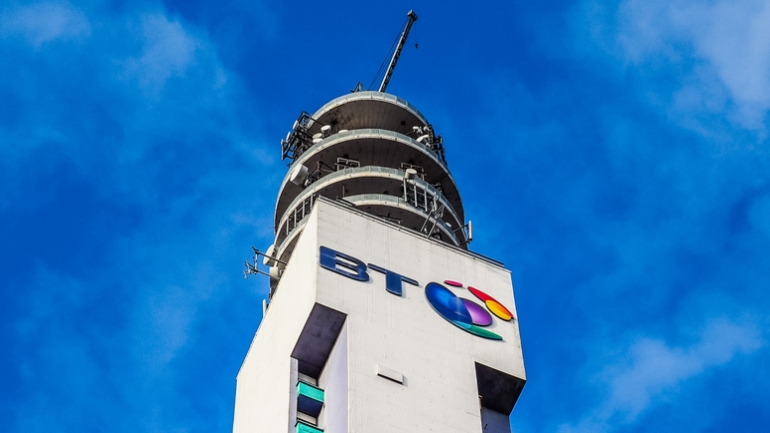
BT and ABB, a Swedish–Swiss multinational corporation specializing in robotics, power and automation technology, have announced a collaboration to upgrade the latter’s globally managed communications infrastructure to new levels of performance and flexibility to support the company’s new operating model. Under this partnership, BT will modernize ABB’s network infrastructure in cooperation with ABB’s Information Systems team to build a sustainable, robust and secure core platform with a highly automated and data-driven managed service. BT will provide an end-to-end, comprehensive, multi-layered cyber security environment to support ABB’s cloud-first goals. The company will install, operate and monitor over 1,100 end-point devices, constantly validating every device, user and application that is connected to the network. Security is a primary focus as ABB implements its cloud plan, which involves consolidating data centers and sending more apps and data to the cloud. With nearly 600 locations in 60 countries, the communications infrastructure will…
BT, the UK’s largest telecoms and network provider, has launched hollow core fiber trials at the BT Labs in Adastral Park, Ipswich, in a joint venture with Lumenisity, the University of Southampton’s spin-off company and Mavenir, the Open Radio Access Network (O- RAN) mobile carrier. The research is being carried out at BT’s research and engineering facilities, with the researchers using a 10-kilometer-long hollow-core fiber cable made by Lumenisity. This state-of-the-art network cable has a hollow, air-filled center that extends through the entirety of the cable. The hollow core fiber will be tested for a myriad of applications, such as the possible benefits to 5G networks and highly secure communications such as Quantum Key Distribution (QKD). Reducing the latency of hollow fiber light could provide immense benefits, including high-frequency trading and reduced mobile network costs. This joint venture has revealed that the usage of hollow core fiber can…
Trinity Cyber, a Bowie, Maryland-based cybersecurity services and solutions startup, has announced the completion of a $23 million funding round led by Intel Capital and other top institutional investors. The company claims that it is taking an entirely new approach to cybersecurity and, with the help of its new technology known as Proactive Threat Interference, is able to “proactively intercept and control cyberattacks” before they even reach the target’s network, thus “reducing risk and increasing cost to adversaries.” Steve Ryan, CEO of Trinity Cyber, said, “This investment by Intel Capital and other strategic backers is significant. I co-founded Trinity Cyber to transform the way the world addresses the cyber problem. No one is doing what Trinity Cyber is doing. No one else can. We make the adversary fail, and we feel this strategic support validates the elegance of our solution.” “As cyberattacks become more sophisticated, technology to counter…
Juniper Network, a provider of high-performance networking and cybersecurity solutions, has been selected by the UK’s telecoms giant British Telecommunications (BT) to deliver its Network Cloud infrastructure initiative. This arrangement will help support the rollout of BT’s upcoming unified cloud networking platform, which will integrate the company’s networks, including 5G, Wi-Fi and fixed-line, into one virtualized service and enable more efficient infrastructure management and implementation. This new and more flexible network infrastructure will also generate a range of innovative applications that support services such as Internet access, TV and business network functions, improved voice and video delivery, and scalability. The Network Cloud platform will be built according to a common framework, and shared across BT’s offices throughout the UK and globally. “This move to a single cloud-driven network infrastructure will enable BT to offer a wider range of services, faster and more efficiently to customers in the UK…
Macquarie Technology Group is innovating to meet Australia’s growing demand for AI and cloud computing. With a groundbreaking 150MW data centre project, they explore funding strategies like capital recycling and joint ventures. These efforts position Macquarie as a dynamic leader in leveraging VoIP and cloud technologies, shaping Australia’s digital future.
Telefónica is actively pursuing the sale of its logistics unit, Zeleris, as part of its asset monetization strategy. Leading contenders OnTime and Everwood Capital aim to acquire the unit, enhancing its operational scope. This move aligns with Telefónica’s efforts to reduce debt, focus on core telecom services, and drive growth.
Macquarie Technology Group’s new 150MW data center project could revolutionize the VoIP landscape as digital demands surge. Utilizing innovative funding strategies like capital recycling and joint ventures, the project highlights VoIP connectivity’s expanding role in cloud services. This initiative positions Macquarie as a top competitor in VoIP infrastructure growth.
Vodacom is leveraging Google Cloud to enhance its VoIP services through AI-driven innovations. By migrating data platforms to Google Cloud, Vodacom aims to boost customer interaction and network optimization. This partnership signifies a crucial step in digital transformation for telecom operators, showcasing cloud-based AI’s potential in improving VoIP solutions significantly.
Microsoft’s AI ambitions face skepticism, especially concerning reliable execution in enterprise environments. Reports indicate Windows 11 challenges highlight stability concerns, crucial for business-critical systems. Organizations are wary of AI’s integration, fearing disruptions and increased support demands. Trust, organizational readiness, and evolving roles play pivotal roles in AI adoption within Microsoft’s ecosystem.
The UK’s focus on safeguarding its undersea networks is critical amid rising tensions with Russia and China. With concerns over VoIP communication vulnerabilities and infrastructure threats, the Royal Navy is vigilant. Reforms ensure clear accountability, emphasizing the importance of protecting crucial subsea networks for digital security.