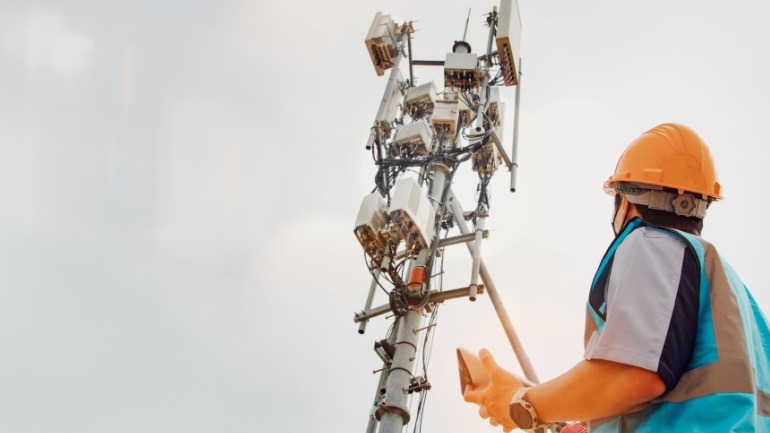
Lumen Technologies is revolutionizing the AI infrastructure market by focusing on AI factory connectivity, positioning itself as a vital provider of high-capacity, low-latency fiber services. By divesting consumer assets, Lumen is responding to the exponential demand for advanced networking solutions crucial for AI-driven economies. This strategic shift highlights Lumen’s commitment to becoming a cornerstone in connecting AI data centers and transforming enterprise networking.

Exploring the frontier of digital security, Tim’s recent milestone in Italy showcases the practical application of quantum-safe technologies in VoIP communications. By integrating quantum key distribution (QKD) to encrypt data streams, this initiative advances Italy’s digital sovereignty. Collaborating with Cisco, they achieved seamless quantum-tech integration, protecting both business and public administration networks.
5G Standalone (SA) revolutionizes mobile networks in the UK, delivering unprecedented capabilities beyond non-standalone 5G. Ericsson’s Blessing Makumbe highlights UK’s progress in 5G SA, aiming for superior customer experiences. With major operators targeting extensive population coverage, the demand for enhanced connectivity services increases, as network slicing boosts enterprise benefits.
SK Telecom’s ATHENA framework highlights the future of 6G with AI-native architecture and zero trust security. By fostering hyper-connectivity and cloud-native operations, SK Telecom aims to enhance AI-driven services through advanced virtualization. Its strategic role in global standards bodies positions the company as a pivotal player in the next network evolution.
Europe’s pivotal role in the global AI ecosystem is evident as it becomes a key exchange hub for artificial intelligence. With rising data generation from connected devices and AI technologies, robust digital infrastructure is essential. Data centers and strong networks are vital for handling data volumes, highlighting Europe’s strategic advantage.
Ericsson is revolutionizing the telecom sector with innovations ahead of MWC 2026. Key developments include network slicing for 5G and early 6G prototypes, enhancing real-time SLA verification. Collaborating with giants like Ookla and Apple, Ericsson’s focus on AI and network optimization underscores its leadership in telecom advancements.
Samsung’s expanded role in modernizing Videotron’s network infrastructure with a 5G NSA and 4G LTE core gateway reinforces its strategic transition from RAN supplier to core provider. Leveraging cloud-native solutions, this upgrade enhances network resilience and scalability. It supports Videotron’s diverse services, optimizing operations for impactful VoIP integration in Canada.
MasOrange’s collaboration with Ericsson marks a new era for Spain’s telecom scene, rolling out 5G-Advanced networks across major cities like Madrid and Barcelona. This development enhances 5G with features such as VoIP support, carrier aggregation, and low-latency solutions, propelling innovative applications in cloud gaming, augmented reality, and smart wearables.
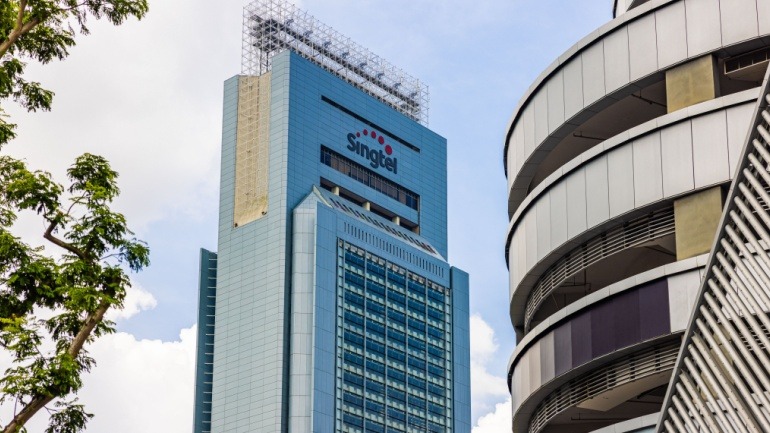
Singtel’s push into Brazil signifies its commitment to expanding VoIP and digital transformation solutions in Latin America. Their new office, set to open by 2026, will deliver advanced VoIP services like SD-WAN. By partnering with local telecom operators, Singtel aims to bridge connectivity gaps, enhancing VoIP efficiency between Latin America and Asia-Pacific markets.
DIDWW, a global telecom operator that provides carrier-grade business communications services, has announced its participation in Enterprise Connect 2026. This leading conference and exhibition for enterprise communications and customer experiences will take place on March 10-12 at Caesars Forum in Las Vegas, Nevada.