353 Results

Google

Search

In compliance with Europe’s General Data Protection Regulation (GDPR) which came into force earlier this year, Google is updating its Terms of Service and Privacy Policy. The company has started to notify European Economic Area (EEA) and Swiss users about the changes coming into effect on January 22, 2019. Google Ireland Limited, based in Dublin, will become the center responsible for consumer services, such as Search, Gmail, and Maps. The alterations to Google’s general Terms of Service are due to the replacement of the current service provider, Google LLC, based in the US. Similar changes are also being made in separate terms for Drive, Play, YouTube, and YouTube Paid Service. Furthermore, the Irish subsidiary will take over the responsibility for data control, and assume the legal liability for the information of EEA and Swiss users. “Google Ireland Limited becomes responsible for responding to requests for its user data, including from EU law…
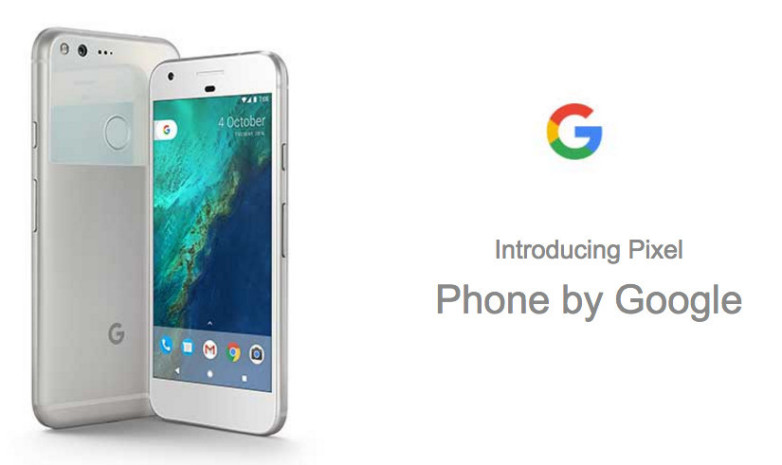
Google has officially announced that its next ‘Made by Google’ event will take place on October 3rd in New York City. While the company remains very secretive about the hardware that will be launched at the event, the key devices expected to be unveiled are the Google Pixel 3 and Google Pixel 3 XL smartphones. Thus far, the corporate giant has not yet made their major competitors Samsung and Apple tremble with envy nor fear with its previous versions of the Pixel phone, but the highly-leaked Pixel 3 devices might change that situation. If the rumors are true, the Pixel 3 XL device will have a controversially large notch, while both the Pixel 3 and Pixel 3 XL should sport dual front-facing cameras, an Android 9 Pie operating system and glass backs for wireless charging. Along with the new smartphones, the Google PixelBook 2, a new version of Pixel Buds,…

According to a recent report from The Intercept, Google is planning to relaunch its search engine in China, meeting all the Chinese government’s censorship requirements. Back in 2010, the Internet giant withdrew its services from China due to strict censorship. Now Google is clawing its way back into the world’s largest Internet market, with a censored version of their search engine under the codename “Dragonfly”. The first platform to be developed is an Android app that is expected to be finalized in the upcoming six to nine months, claims The Intercept. The appeal of 750 million Internet users would be quite tempting to anyone, yet this news about Google has been met with some negativity, and may be considered as showing support for the totalitarian regime in China. “This has very serious implications not just for China, but for all of us, for freedom of information and Internet freedom. It…

Singapore has long been known as the south-east Asian center for network expansion, due to its booming data center industry. The technology giant Google has revealed plans to expand their network in the region by building a 3rd data center in Jurong West, thereby increasing their long-term investment in Singapore’s data centers to $850 million. Google’s first data center was built in Singapore in 2011, followed by the second in 2015, while the 3rd building is expected to be ready by 2020. “In the three years since our last update, more than 70 million people in Southeast Asia have gotten online for the first time, bringing the region’s total to more than 330 million–that’s more than the population of the United States,” commented the vice president of Data Centers at Google, Joe Kava. The newest facility will be built nearby the previous two, and will continue Google’s environmentally friendly approach…

The Russian News Agency TASS reported that Apple and Google have been asked by the Russian authorities to remove Telegram Messenger from their stores. The request has been made in April 17th after a court ordered four days earlier that Telegram be taken off, has the company issuing the app refused to comply with the FSB’s request. The FSB asked Telegram to share its data, a demand the company refused to accept. The Russian telecom watchdog sent a notification to users concerning the use of Telegram and issued a statement saying: “In order to anticipate Roskomnadzor’s likely response to the violations regarding the operation of the aforesaid Apple, Inc. services we are asking you to notify us within the tightest deadlines of the company’s further actions regarding the solution of these issues.”

To compete with Facebook’s Messenger and WhatsApp as well as Apple’s iMessages, Google is looking for bold new ideas. They have had a number of failures in this area, having tried Talk, Hangouts and Allo! But for an American company, there’s no such thing as failure – there’s just the gaining of experience. Looking forward, Google will focus on delivering their new calling and messaging system called “Chat.” Chat aims to replace SMS, and uses the RCS protocol (Rich Communication Service) to achieve its goals. With Chat, users no longer need to download an application and keep that application updated, and the open-source nature of the RCS protocol will make this platform accessible to developers. According to The Verge media publication, more than 60 companies all over the world, including developers and operators such as Orange, Samsung and Asus have already committed to supporting Chat. For its part, Google promises…

The telecommunications landscape is rapidly evolving, positioning 2026 as a key year for transformation. Advances in AI, edge computing, and sustainability shape the industry’s future. The rise of agentic AI redefines telecom operations, while real-world applications like Telefónica’s Aura exemplify AI’s impact. Focus on sustainability and energy savings drives operational efficiency, with leading companies demonstrating success through AI and machine learning. The telecom vision for 2026 includes cutting-edge innovations and partnerships, enhancing user experiences and unlocking new service potentials.

Unveiling of the Open Telco AI initiative at the Mobile World Congress 2026 marks a pivotal step in telecom industry evolution. By addressing the inadequacies of traditional AI through open collaboration, GSMA aims to revolutionize telco-grade AI. This initiative brings together industry giants, ensuring enhanced precision and reliability for network operations.