1145 Results

Intel

Search

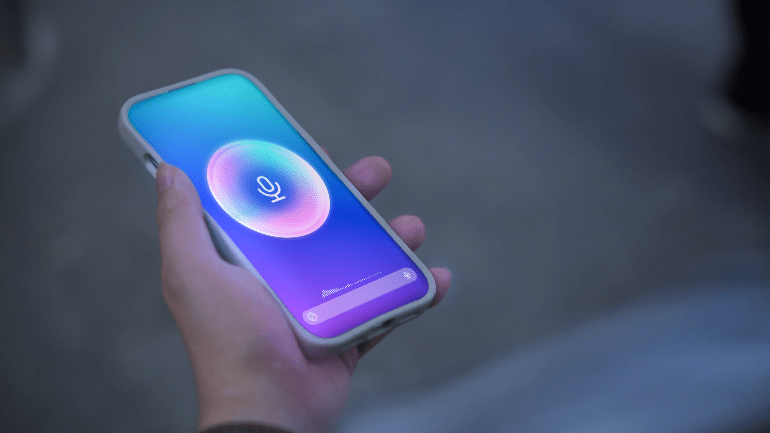
Mavenir’s Sanas partnership brings AI-powered voice services to mobile operators, enhancing VoIP, VoLTE, and voice network security. From real-time translation and noise suppression to deepfake fraud detection, MAVcore Voice AI could help carriers deliver clearer, safer, smarter calls at scale while creating new telecom revenue opportunities beyond basic connectivity services

Huawei and HP Inc. have signed a global patent cross-licensing deal covering key Wi-Fi technologies, strengthening device interoperability and future connectivity. For VoIP providers and enterprise communications, the agreement could support faster, more reliable wireless networks, improving call quality, video meetings, cloud collaboration, and next-generation Wi-Fi performance across connected workplaces.

A Mitel and Vanson Bourne study reveals a widening workplace communication gap, with VoIP, collaboration tools, and AI investments failing to meet employee needs. As tool sprawl fuels shadow IT, enterprises must prioritize secure voice services, unified communications, and simpler workflows to improve productivity, trust, and business-critical connectivity, network reliability

Qualcomm’s appointment of Sergio Buniac signals a major push into Snapdragon-powered mobile, PC, wearable and AI devices. For VoIP providers and telecom leaders, stronger on-device AI, faster compute and connected experiences could enhance voice services, edge communications, collaboration tools and next-generation business VoIP performance across emerging personal technology ecosystems worldwide

Wispr’s $280 million Series B signals rising demand for voice AI in VoIP, unified communications, and enterprise workflows. With Canto speech technology and Flow Notetaker, Wispr aims to improve transcription, meeting summaries, and multilingual collaboration, but buyers will watch accuracy, security, integrations, and real-world performance closely in noisy workplaces today.

Quantum computing is reshaping VoIP security planning as future machines threaten today’s encryption protecting calls, messages, identities, and customer data. Telecom providers, UC teams, and enterprises must map cryptography, assess suppliers, and prepare post-quantum security roadmaps now to reduce harvest-now-decrypt-later risks and protect long-term communications infrastructure from emerging quantum attacks

Lockheed Martin’s NetSense turns live Verizon 5G signals into drone-detection intelligence, showing how telecom, AI, and edge computing can transform network security. For VoIP providers and enterprises, this highlights a future where 5G and 6G infrastructure supports safer communications, smarter airspace monitoring, and new managed service opportunities worldwide at scale.

Ericsson is pushing AI-driven OSS/BSS modernization toward measurable VoIP and telecom business outcomes. As CSPs build autonomous networks, clean data, agentic AI, and trusted automation become essential for customer experience, network operations, monetization, and faster service launches that turn technology upgrades into real operator value across next-generation communications services worldwide.