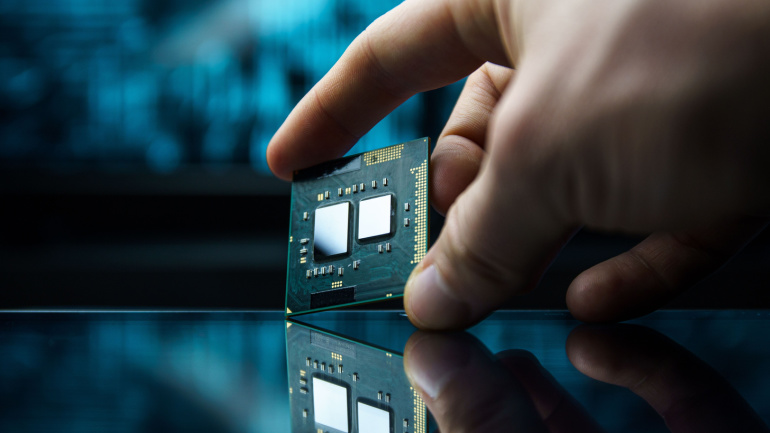
Nvidia, the graphics processing unit heavyweight, plans to enter Intel’s domain with ARM-based chips tailor-made for Windows PCs, according to insiders. AMD, another significant player in this space, is also reportedly considering ARM technology. This move, potentially hitting the market by 2025, has been stimulated by Microsoft’s interest in duplicating the efficiency of Apple’s ARM-use in AI processing. Yet, Nvidia’s past attempt to acquire ARM was thwarted by regulators, putting the company’s motives under scrutiny as the PC CPU sector braces for potential disruption.
Dish’s recent announcement differentiates them as the first operator to amalgamate both 2 uplink and 4 downlink 5G carriers, reaching compelling speeds with such configuration. Despite skepticism around Open RAN’s performance, Dish continues to silence critics and signifies an exciting possibility for future network builds.
Nvidia aims to convince telecoms to use its GPUs in 5G networks, citing NTT Docomo’s recent GPU-accelerated 5G launch in Japan. Yet, the role of Nvidia’s GPUs in telecom remains unclear. Meanwhile, the FCC breaks a two-year deadlock, reigniting net neutrality debates. Telefonica Germany partners with Skylo for global IoT connectivity, expanding options for businesses and consumers. Nokia explores rugged 5G devices for harsh environments, catering to specialized industries with challenging conditions.
In a collaboration with Bloomberg, Canadian company TechInsights racks the Huawei Mate 60 Pro under scrutiny, examining whether the covertly launched flagship phone can surpass the considerable limitations imposed on it by the US government.
In a record-breaking flurry of innovation submissions, the Connected Britain Awards are turning the spotlight on frontrunners shaping the UK’s digital frontier. The anticipation builds as the official shortlist for 2023 announces contenders across 15 award categories.
As Three UK reports a 4% revenue boost, courtesy of an expanded active customer base, its operations cost, inflated by 19%, outpaces earnings, hinting at potential sustainability issues. In a different landscape, Telecom Italia shows a 5.5% Q2 profit increase, largely on Brazil’s performance, though competitive pricing in Italy has forced a hefty debt, leading TIM to consider selling its landline grid. At the same time, BT Group sees an uptick in revenue by 4%, attributed to raised prices and improved customer satisfaction. Contrarily, US-based Qualcomm, hit by reduced consumer spending, anticipates a similar upcoming quarter, resulting in a sharp fall in share price. Meanwhile, Bharti Airtel highlights a 14.1% YoY revenue increase, fueled by its growing 4G and postpaid customer base.
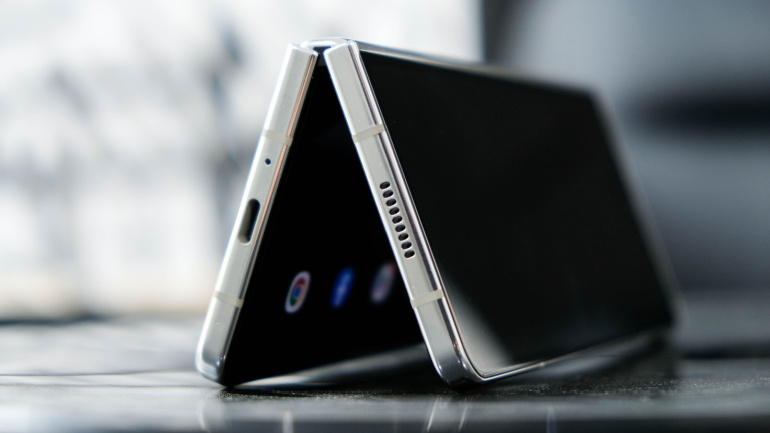
If you’ve ever contemplated making the leap from your trusty flagship phone to a foldable device, Samsung’s latest offering, the Galaxy Z Fold 5, is here to entice you. While it may not be everyone’s cup of tea, the Fold 5 presents significant enhancements that set it apart as a more user-friendly, durable, and productive foldable phone compared to others in the market.
T-Mobile has taken a bold step forward in the world of 5G technology, initiating the rollout of its latest innovation that promises lightning-fast speeds of up to 3.3Gbps. The breakthrough is achieved through carrier aggregation, a technique that combines four distinct 5G channels into one for compatible devices. At present, only Samsung’s newer Galaxy S23 phones are capable of harnessing this impressive speed boost.
Huawei plans a comeback in the smartphone market with new 5G devices using domestic chip supplies. Concerns persist about the quality of these chips and Huawei’s absence from the Android Play Store. CityFibre challenges Openreach with a faster wholesale FTTH service, while Optus collaborates with SpaceX’s Starlink to expand mobile coverage in Australia’s remote areas. Ofcom investigates O2 Virgin Media over customer complaints, and the European Court of Justice rejects a ruling on the Three-O2 merger, adding to the uncertainty in the telecommunications regulatory landscape.
Startup Nothing debuts with its first smartphone Phone 1 Nothing’s first phone, the Nothing Phone 1, was finally launched this week. The Nothing Phone 1 is one of the most intriguing newcomers to the smartphone market in recent years. Carl Pei, a former OnePlus co-founder, established the startup less than two years ago. The company has showcased several of the Phone 1’s most important features in the weeks building up to the launch event, including the inclusion of a Qualcomm Snapdragon 778G Plus CPU and the Android-based Nothing OS software. Read more at: https://tinyurl.com/yc2bmksu Nokia will lead German 6G project Nokia has announced that it will lead 6G-ANNA, a German government-funded 6G lighthouse project, that began on July 1, 2022. Nokia will lead and drive 6G research and standardization in collaboration with the 29 partners, including industry members, subject matter experts, start-ups, research organizations, and universities in Germany. The project…