


Ericsson and SoftBank are advancing AI integration within Radio Access Networks (RAN). Leveraging NVIDIA’s Grace Hopper Superchip, they aim to streamline RAN functions for optimized performance.

Ericsson and SoftBank are advancing AI integration within Radio Access Networks (RAN). Leveraging NVIDIA’s Grace Hopper Superchip, they aim to streamline RAN functions for optimized performance.
Deutsche Telekom’s 2024 results surpassed expectations, with revenue rising 3.4% to €115.8 billion and free cash flow soaring 18.7% to €19.2 billion. CEO Tim Höttges called it “another record year,” projecting continued growth in 2025.

US telecom giants AT&T, T-Mobile, and Verizon have partnered with Ericsson to launch the Aduna initiative, introducing standardized network APIs for fraud prevention. Slated for 2025, these APIs enhance security by verifying users and preventing unauthorized SIM swaps.

O2 Telefónica Germany has extended its partnership with Mavenir, signing a five-year deal to transition its 4G and 5G voice services to Mavenir’s cloud-native IMS platform. This upgrade enhances scalability, supports VoLTE and VoNR, and integrates AI-driven automation.

AST SpaceMobile has secured a $43 million US government contract, showcasing its robust position in satellite communications. This collaboration aims to deploy advanced Block 2 BlueBird satellites, featuring expansive phased-array antennas, to enhance government connectivity.

Meta is reportedly considering massive AI data centers, with a potential $60 billion project in Louisiana. While a spokesperson dismissed reports as speculation, Mark Zuckerberg confirmed plans to support LLAMA 4.

Qatar, in partnership with Scale AI, is set to transform its public services by integrating cutting-edge AI technologies over five years. This collaboration aims to enhance government operations through predictive analytics and automation.
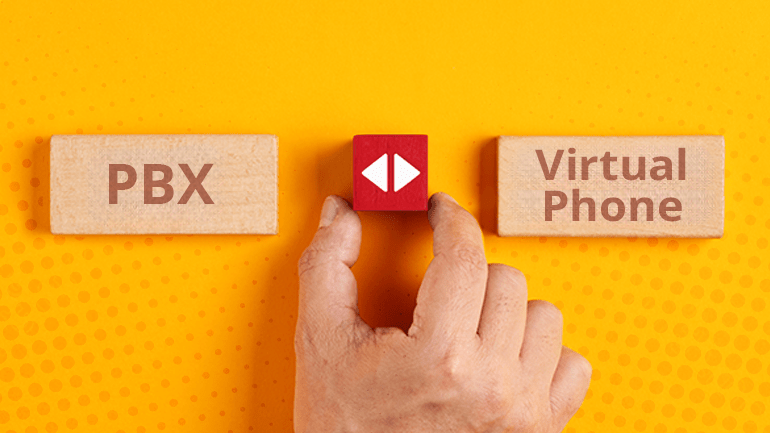
The introduction of the virtual phone system has resulted in a massive leap forward for business communications. For many years, the hardware telephony system, primarily the on-premise Private Branch Exchange (PBX), was the gold standard for handling phone calls. These systems, while effective in the past, come with the disadvantages of significant hardware costs, complex setups, limited capabilities, and burdensome maintenance requirements. The combination of VoIP and the virtual phone system has taken business communications by storm, and the relevance and practicality of traditional PBX hardware has come under intense scrutiny. This inflexible system is reliant on unwieldy physical infrastructure and is rapidly being replaced by agile, cloud-based solutions that offer cost savings, flexibility, scalability and increased productivity. In this article, we will explore the major advantages of virtual phone systems over legacy platforms. This comparison will clearly illustrate why so many businesses are ditching their hardware, moving to cloud…
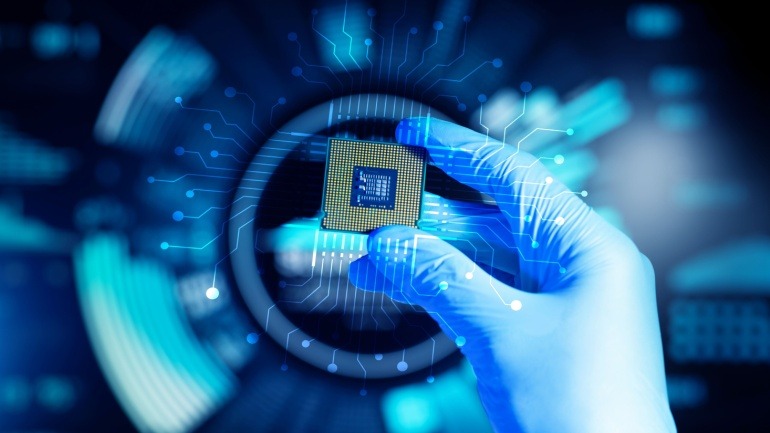
Microsoft has unveiled its first quantum chip, Majorana 1, powered by a breakthrough material called a topoconductor. This innovation enables topological superconductivity, paving the way for a million-qubit quantum system.

Sweden is investigating a potential sabotage of the Cinia C-Lion1 undersea telecom cable. Despite the damage, the link between Finland and Germany remains active.
