393 Results

Satellite

Search

The FCC’s plan to relax satellite spectrum power limits could redefine satellite communications, accommodating modern VoIP and satellite technologies. This shift aims to improve VOIP performance, fostering higher broadband speeds and economic benefits. The changes may invigorate market competition, paving the way for expanded access to high-speed satellite broadband.

At SatShow 2026, the spotlight was on key satellite industry trends influenced by geopolitical tensions. Notably, the focus on Direct-to-Device (D2D) satellite communication and multi-orbit connectivity underscored the strategic shift driven by sovereignty pressures. Satellite operators are adapting, embracing regionally aligned supply chains and multi-spectrum technologies, ensuring robust services amid evolving challenges.

Blue Origin’s plan to launch 51,600 satellites positions it as a formidable player in the burgeoning satellite industry. By establishing orbital data centers, it aims to revolutionize connectivity and cloud frameworks, a game-changer for VoIP systems reliant on robust, low-latency internet solutions. Despite SpaceX’s dominance, Blue Origin seeks niche markets.

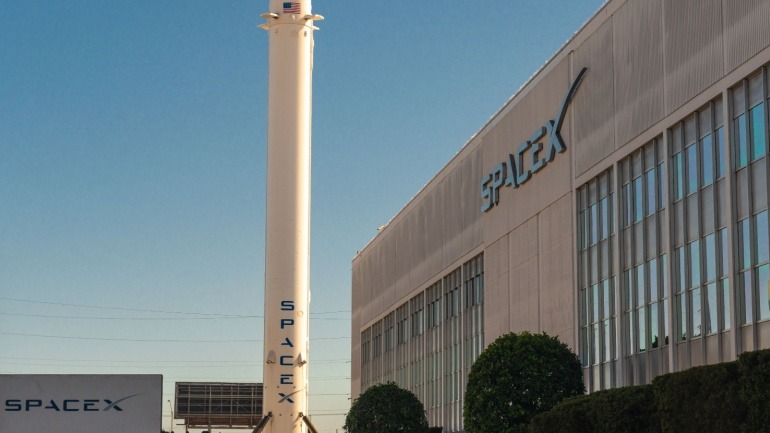
The rivalry between Jeff Bezos’s Blue Origin and Elon Musk’s SpaceX in the satellite industry is intensifying. Blue Origin’s recent FCC request to deploy over 51,000 satellites hints at the intense competition. As they aim to fulfill the growing need for orbital data centers, these companies are leveraging VoIP technology, highlighting its role in advancing satellite communications.

The integration of Xsight Labs’ programmable X2 switch into SpaceX’s Starlink v3 satellites heralds a revolutionary leap for satellite communication systems. Promising data throughput exceeding 1 terabit per second, this advancement supports both terrestrial and satellite networks. Aspiring to redefine global connectivity, the collaboration underscores Xsight’s leadership in satellite broadband innovation.

The rapid rise of eSIM technology is revolutionizing VoIP services and telecommunication. With flagship smartphones and emerging wearables integrating eSIM, operators face a challenge to scale digital services efficiently. Entitlement servers are crucial for seamless VoIP service activation, enabling operators to move beyond outdated methods and provide scalable digital experiences. Entitlement servers innovate network API monetization, ensuring customers benefit from security and streamlined connectivity, paving the way for operators to capitalize on new revenue streams and enhance VoIP user experiences. As digital technology reshapes connectivity, embracing these innovations becomes essential for long-term success.

The groundbreaking collaboration between Fujitsu and Yamaguchi University is paving the way for enhanced satellite data management through orbital edge computing. This innovative approach dramatically reduces satellite data latency from hours to mere minutes, facilitating real-time insights crucial for industries such as maritime logistics. By processing data directly on satellites, traditional bandwidth restrictions are bypassed, allowing for immediate information access. Organizations dependent on remote sensing, including those utilizing VoIP technology for communication, should closely monitor this advancement, as it promises to revolutionize data processing efficiency and timeliness.