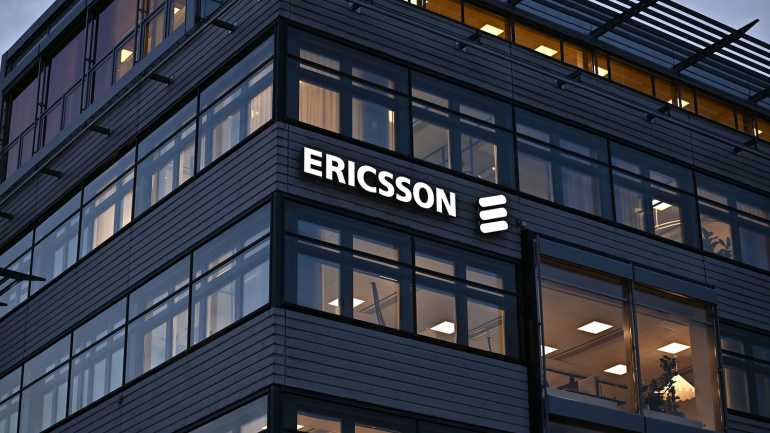
Ericsson’s internal reshuffle sees Chris Houghton step into the role of COO and Åsa Tamsons as Head of Enterprise Wireless Solutions. Houghton’s focus will be on group-spanning initiatives like cost-efficiency drives, while Tamsons aims to fast-track breaking even for her division. However, with senior team members stepping down and Jan Sprafke being appointed Chief Compliance Officer, Ericsson shows no signs of slowing its innovative drive amidst industry changes.
An ambitious €1 billion initiative is underway in Spain to narrow down the digital divide in rural areas, spearheaded by the Ministry of Economic Affairs and Digital Transformation. The project focuses on escalating the presence of 5G technology, committing an impressive €544 million towards standalone deployments. Aimed at areas unlikely to be targeted by private sector network deployments, it accentuates the government’s determination to extend tech revolutions to the unserved regions. With potential applications to various sectors, Spain’s pathway to complete 5G integration could serve as an inspirational model for others in this era of digital transformation.
DIDWW, a global provider of premium quality VoIP communications, two-way SIP trunking and SMS services for businesses and telco carriers, has established its new Point of Presence (POP) in Amsterdam. This latest addition is now ready to deliver robust performance, efficiently handling customer voice traffic and ensuring enhanced connectivity.
In an exciting move, Vodafone and Arm have united to innovate within the telecom industry, developing an adaptable platform with Arm-based processors ideal for Open RAN base stations. Their collaborative effort showcases both parties’ commitment in enriching the competitive Open RAN landscape, offering robust computational power for 5G services and improved energy efficiency. In addition, illustrious companies like SynaXG, Ampere Computing, and Fujitsu are lending their expertise to test and validate this technology. The joint venture also presents opportunities for Vodafone to reach its net-zero targets.
As Malaysia deliberates on Huawei’s engagement in their projected second 5G network, international eyebrows are raised. Clamor for transparency grows louder as the telecom world anticipates waves of change from this decision’s rippling effects.
In a pioneering collaboration, Samsung, Vodafone, and Orange have achieved a significant breakthrough by completing the first 4G calls over shared networks in rural Romania using Open RAN technology. This milestone, with the promise of integrating 2G and 5G, signifies a transformative step towards more efficient, sustainable, and innovative telecommunications.
Vodafone is expanding its devotion to Open RAN technology, joining forces with Nokia in a progressive venture in Italy. The initiative aligns with Vodafone’s Open RAN directive, largely centered in the UK, and extends influence to the Italian telecom landscape. With this first commercial 5G Open RAN pilot in Italy, they aim to prove Nokia’s Open RAN solution matches the functionality and quality of traditional RAN. With an eye on promoting automated, adaptable networks for the ever-growing demand of responsive 5G services, such innovation bolsters the EU’s digital sovereignty and global competitiveness.
Telecom giants Vodafone and Orange are breaking new ground with the first real-life 4G calls over a common shared network in an Open RAN setting. Stemming from a landmark endeavor near Bucharest, this initiative provides a glimpse into the potential strengths of an Open RAN-based network. What’s more? The progress doesn’t halt at 4G. The duo are set to soon take down another first – operating 2G and subsequently 5G, over shared Open RAN sites. Both operators see this as a model for extending mobile networks throughout rural Europe.
Spanish telecom titan Telefónica is allegedly exploring a potential divestment from its successful subsidiary, Telefónica Tech. With a speculated valuation over €2 billion, Tech has made impressive strides in sectors like cybersecurity and IoT. However, despite robust revenue growth, the benefits of Tech to Telefónica’s overall operations remain ambiguous. Will Telefónica cash in, or continue cultivating this promising asset? Insights may be revealed in the CEO’s upcoming strategy announcement. Stay informed as we delve deeper into this intriguing possibility.
Nepal’s move into 5G has hit a deadlock due to geopolitical tensions, resulting in halted trials. Interestingly, at the heart of the issue is the importation of necessary equipment from Chinese firms amid corruption allegations and international contentions over security. The telecom industry in Nepal fears this impasse may set back tech enhancements, revealing global tensions’ significant impact on local infrastructures.