In the quest for digital transformation, Huawei, at MWC Shanghai 2023, introduced groundbreaking ICT and software innovations. Bruce Xun, Huawei’s Vice President, emphasized the company’s intention to construct robust networks with global carriers while focusing on creating intelligent digital talent. Embracing the dual-E concept, Huawei is striving for a green, efficient integration looking to reduce carbon emissions and enhance user experience.
One of the most important lessons society has learned from being stranded at home and unable to travel during a pandemic, is that once carbon emissions fall, the benefits materialize remarkably quickly. What have telecommunications providers learned during this time? That due to the staggering demand for digital communications at this time, the global telecom infrastructure has been forced to consume more energy than ever before, increasing the carbon footprint.
The switch from analogue systems to modern VoIP solutions is crucial for the UK’s infrastructure, with potential economic benefits exceeding £3 billion by 2040. VoIP systems promise enhanced resilience and cost savings across sectors, reducing reliance on the ageing PSTN. Transitioning now mitigates risks and optimizes digital benefits.
Gigaclear, a leading rural fibre provider, has revolutionized the UK broadband scene with Vyntelligence’s AI-powered Vyn® platform. By streamlining broadband installations in underserved areas, Gigaclear has processed over 1,100 customer submissions and reduced unnecessary site visits, ensuring efficient VoIP-ready connections and ultimately enhancing rural connectivity.
Nokia and Saudi Arabia’s telecom sector have tested indoor 5G Standalone network sharing with success. By using Nokia’s Shikra radios and core network software, operators like Zain and Mobily can provide high-speed 5G indoors efficiently, cutting costs and energy use.
Indosat is using Nokia’s AI-based energy solution to cut emissions and boost efficiency across its mobile network. The system uses machine learning to manage traffic loads and reduce power usage during low-demand periods, marking a major step in the operator’s shift toward sustainable, tech-driven operations.
VoIP isn’t just about cheaper calls – it’s a smarter way to cut communication costs across the board. From reducing infrastructure and IT expenses to boosting productivity and enabling remote work, VoIP offers a scalable, cost-effective solution that improves operations and supports long-term business growth. Here’s how it transforms communication ROI.
BT has secured a five-year partnership with DEFRA to connect 34,000 workers and devices across the UK. Using EE’s mobile network and the Shared Rural Network, the project enhances safety, monitors the environment, and supports carbon reduction, helping DEFRA predict weather events and prevent critical incidents in rural areas.
The introduction of the virtual phone system has resulted in a massive leap forward for business communications. For many years, the hardware telephony system, primarily the on-premise Private Branch Exchange (PBX), was the gold standard for handling phone calls. These systems, while effective in the past, come with the disadvantages of significant hardware costs, complex setups, limited capabilities, and burdensome maintenance requirements. The combination of VoIP and the virtual phone system has taken business communications by storm, and the relevance and practicality of traditional PBX hardware has come under intense scrutiny. This inflexible system is reliant on unwieldy physical infrastructure and is rapidly being replaced by agile, cloud-based solutions that offer cost savings, flexibility, scalability and increased productivity. In this article, we will explore the major advantages of virtual phone systems over legacy platforms. This comparison will clearly illustrate why so many businesses are ditching their hardware, moving to cloud…

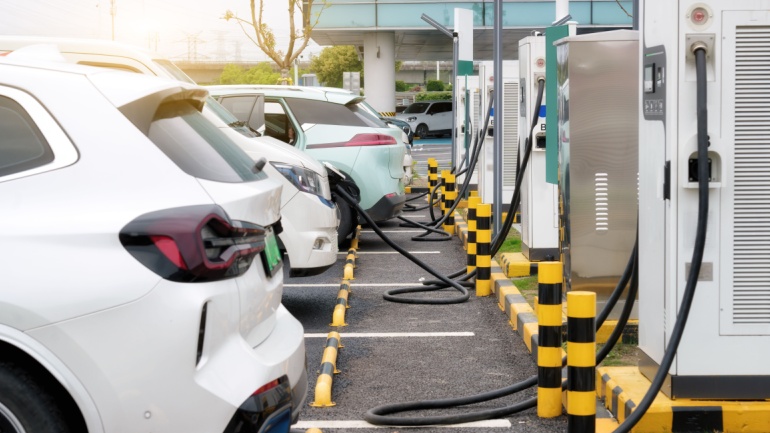
BT Group has placed the UK’s largest EV order, adding 3,500 electric vehicles to its fleet of over 27,000. Aiming for 8,000 EVs by 2026, this move aligns with its net-zero goal by 2031.