In a landmark move, UK Chancellor Jeremy Hunt has underscored the significance of Microsoft’s transformative investment, heralding it as pivotal for the continual expansion and innovation within the UK technology sector. The multinational tech giant is set to broaden its data center footprint across the UK, unveiling plans for new facilities in London and Cardiff, with potential future expansion into the North of England. This strategic investment aims to double Microsoft’s existing number of data centers in the UK.

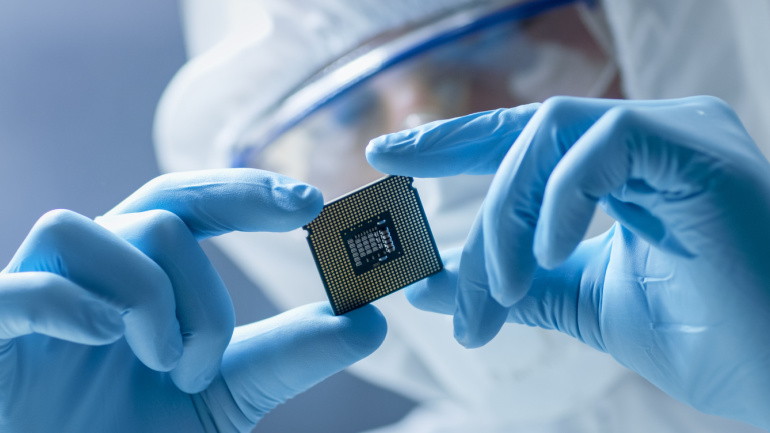
Vodafone’s collaboration with Salience Labs and iPronics aims to advance open radio access networks (open RAN) by harnessing the potential of silicon photonic chips. This light-based technology could promise enhanced network programmability and ultra-low latency powered by their increased speed and reduced energy consumption — elevating critical 5G capabilities. With silicon photonics making waves in data centers, the industry, poised for rapid growth, radiates intrigue on the horizon. Yet, it also questions current cost dynamics, especially around open RAN technology.
Nvidia’s reinstatement of Jensen Huang brings leadership stability to AI chips, cloud infrastructure, telecom networks, and VoIP innovation. As carriers accelerate 5G, AI-RAN, edge computing, and VoIP platforms, Nvidia’s roadmap matters for performance, security, and scalability while new compliance oversight aims to rebuild market and customer confidence worldwide this year
Vodafone’s Malaga AI-RAN trials could reshape VoIP performance by making 5G and future 6G radio networks smarter, faster, and more efficient. As operators weigh GPUs, ASICs, and existing silicon, improved spectral efficiency may boost mobile voice quality, reduce latency, and support more reliable cloud communications in crowded urban markets worldwide.
Nvidia’s leadership shakeup could reshape AI data center financing, cloud capacity, and VoIP infrastructure planning. As GPU guarantees face scrutiny, telecom providers, neoclouds, and AI platforms may see pricing, access, and deployment timelines change. For VoIP businesses, compute funding now matters as much as bandwidth, latency, network reliability, and strategy.
Japan’s satellite mobile market is accelerating as Rakuten Mobile, AST SpaceMobile, and NTT advance direct-to-smartphone connectivity. Backed by government support, new low-Earth orbit networks aim to strengthen VoIP, mobile coverage, disaster communications, and rural connectivity. The race now depends on satellite launches, spectrum strategy, and real-world smartphone performance across Japan.
Qualcomm’s SpaceX deal could reshape VoIP connectivity as Starlink Mobile adds terrestrial 5G powered by Dragonwing radio platforms, massive MIMO and Layer 1 software. By blending satellite reach with ground networks, the project may improve mobile VoIP, rural calling, low latency communications and next generation wireless coverage across underserved markets
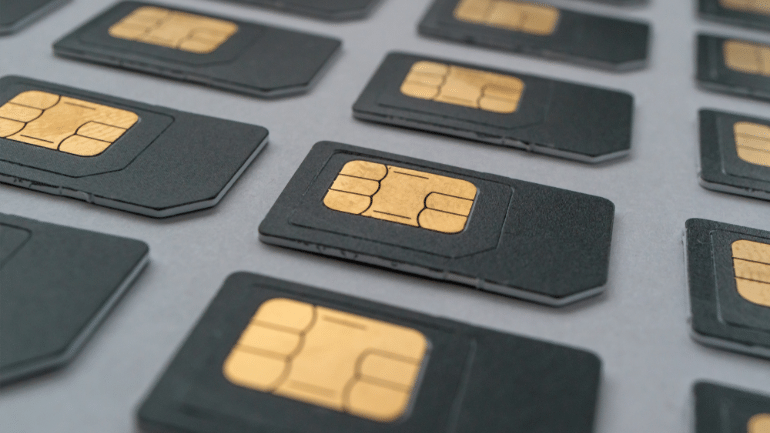
VodafoneThree’s role in dismantling a major UK SIM farm exposes the evolving battle against VoIP fraud, phishing calls, and SMS scams. With new laws targeting SIM farms and operators sharing intelligence with police, telecom providers must protect customers while preserving legitimate bulk SIM and resilient communications use cases for enterprises
Lumen Technologies is redefining telecom networks for AI, quantum connectivity and secure enterprise communications. By combining energy-aware workload routing, fiber innovation and Fortinet-based SASE, Lumen aims to make networks smarter, resilient and VoIP-ready as businesses demand lower latency, stronger security and future-proof cloud voice infrastructure for seamless business calling solutions
Nvidia’s AI-RAN strategy is reshaping telecom, but fixed fiber and VoIP networks may avoid a GPU disruption. While custom silicon still powers broadband access, AI tools could transform traffic prediction, security, automation, and edge computing—helping operators build smarter, more efficient connectivity platforms for future voice and business data services worldwide