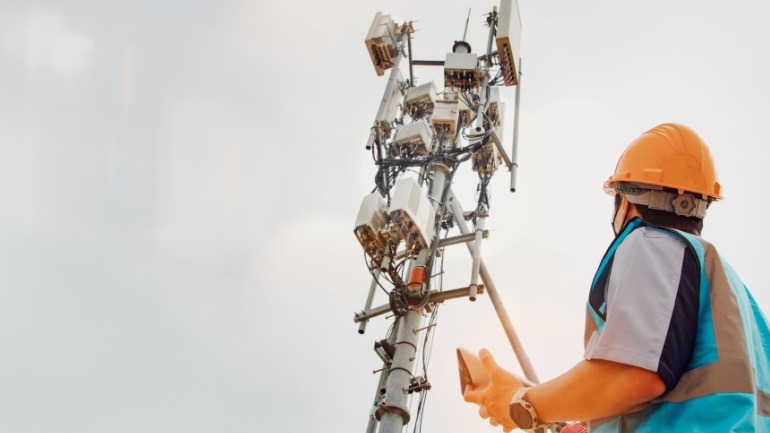
The AI era is set to transform telecommunications, reshaping networks and economic models. Mathew Oommen from Jio Platforms highlighted this shift at the Mobile World Congress. The AI-led transformation will redefine telecom networks, creating new opportunities valued in trillions. Telecom networks will underpin an “intelligence economy,” with AI integrated across sectors like energy and finance.

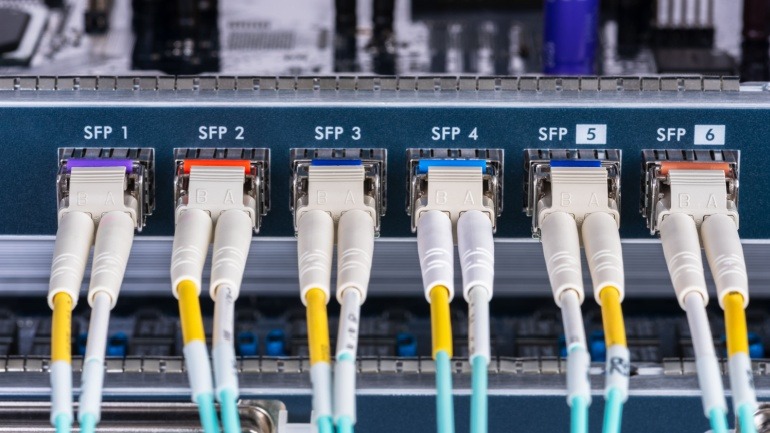
Explore how hollow core fiber (HCF) is revolutionizing AI data centers. With its photonic-crystal fiber roots, HCF offers faster data transmission and less signal loss compared to traditional optical fiber. This advancement is crucial for industries needing reduced latency, potentially easing land and energy constraints while enhancing AI efficiency.
The Huawei Tech Cares Forum underscored the urgency of bridging the digital divide in the era of rapid AI advancements. With over 2.2 billion people lacking mobile internet access, the focus shifts to equitable digital integration. Huawei’s efforts, like the Partner2Connect initiative, aim to connect remote communities, addressing both infrastructure and digital literacy challenges.
The International Telecommunication Union’s 51st WP 5D meeting was pivotal for 6G, as Minimum Technical Performance Requirements for IMT-2030 were finalized, transitioning 6G from vision to reality. With ZTE driving advanced 6G strategy, the company targets a seamless shift to the agent-centric internet era, prioritizing connectivity and AI integration.
As wireless technology advances, Qualcomm is at the forefront of the 6G revolution, showcasing cutting-edge solutions at Mobile World Congress 2026. Key innovations include AI-native systems, digital twins, and enhanced RF performance, all designed to augment network efficiency and user experience. Qualcomm’s commitment to intelligent, adaptable 6G solutions promises a transformative impact on global connectivity.
AI is dramatically transforming telecom, especially with the rise of 5G and emerging 6G technologies. By embedding AI into core networks, telecoms benefit from real-time decision-making, enhancing connections like MU-MIMO. Hybrid data strategies, combining real and synthetic data, enhance AI’s adaptability, preparing for future innovations in the VoIP landscape.
Europe’s pivotal role in the global AI ecosystem is evident as it becomes a key exchange hub for artificial intelligence. With rising data generation from connected devices and AI technologies, robust digital infrastructure is essential. Data centers and strong networks are vital for handling data volumes, highlighting Europe’s strategic advantage.
Ericsson is revolutionizing the telecom sector with innovations ahead of MWC 2026. Key developments include network slicing for 5G and early 6G prototypes, enhancing real-time SLA verification. Collaborating with giants like Ookla and Apple, Ericsson’s focus on AI and network optimization underscores its leadership in telecom advancements.
Reliance Jio’s $110 billion investment in AI data centers is set to revolutionize India’s telecom landscape. As VoIP technology integrates with this AI transformation, businesses can anticipate more efficient communications and reduced costs. Reliance’s initiative signals a new era for India’s telecom infrastructure, benefiting VoIP users nationwide.
MasOrange’s collaboration with Ericsson marks a new era for Spain’s telecom scene, rolling out 5G-Advanced networks across major cities like Madrid and Barcelona. This development enhances 5G with features such as VoIP support, carrier aggregation, and low-latency solutions, propelling innovative applications in cloud gaming, augmented reality, and smart wearables.