Meta’s unprecedented investment in artificial super intelligence (ASI) signifies a bold move towards AI innovation. CEO Mark Zuckerberg’s focus on enhancing compute infrastructure aligns with the hefty aspiration of constructing multi-gigawatt data centers.
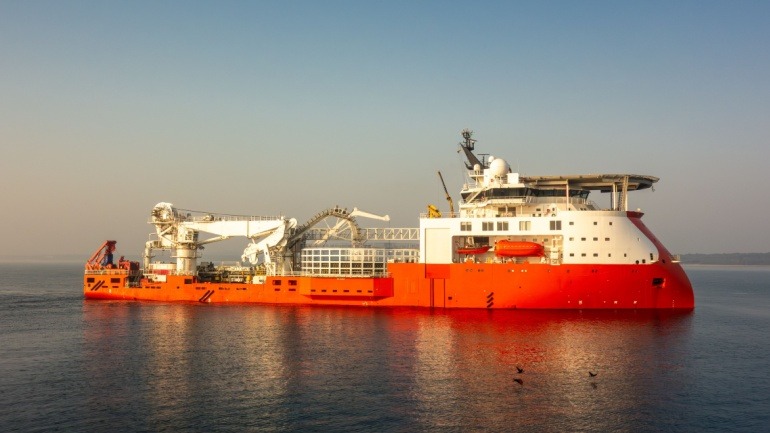
The AAE 2 subsea cable project, led by PCCW Global, Sparkle, Telecom Egypt, and ZOI, aims to connect Hong Kong, Singapore, and Italy through a mix of terrestrial and underwater routes. Designed to boost global data capacity, it offers strategic expansion potential and reflects the growing international push to enhance telecommunications infrastructure and digital connectivity.
Qualcomm is enhancing its footprint in Vietnam with a new AI R&D center, boosting the nation’s AI, semiconductor, and digital transformation ambitions. This integration strengthens tech cooperation, fostering Vietnam’s position in Southeast Asia’s AI landscape by 2030.
Amazon’s substantial $10 billion investment in AWS data centers in North Carolina underscores the surge in generative AI and cloud technology demand. This groundbreaking endeavor will create 500 high-skilled jobs, bolstering the local economy and confirming Amazon’s commitment to AI innovation and advanced cloud infrastructure.
Verizon has received FCC approval for a $20 billion acquisition of Frontier Communications, expanding its fiber network to reach more homes nationwide. In exchange, Verizon agreed to eliminate all diversity, equity, and inclusion initiatives, reflecting broader industry and political shifts away from such programs.
Qualcomm’s Q2 results showcase strong growth across automotive, IoT, and AI, driven by CEO Cristiano Amon’s diversification strategy. With revenues up 17 percent year-on-year and major strides in on-device AI, the company is expanding well beyond smartphones while reinforcing its leadership.
OpenAI and SoftBank are eyeing the U.K. for their ambitious Stargate project, aiming to supercharge global AI infrastructure. Backed by major investment and government support, the U.K.’s advanced ecosystem and strategic planning position it as a frontrunner in this transformative AI expansion.
KDDI and Okinawa Cellular, in partnership with Starlink, have launched au Starlink Direct — Japan’s first direct-to-device satellite service. Starting April 10, 2025, au users can enjoy seamless connectivity even beyond network zones, enabling emergency alerts, location sharing, and AI-powered assistance, all at no extra cost.
Bell Canada is capitalizing on market conditions with its new Security-as-a-Service (SECaaS) offering. This move aligns with Canada’s national pride, offering real-time threat response, scalability, and local data compliance. As cyber threats rise, leveraging advanced security solutions ensures data remains sovereign.
Verizon has expanded its satellite-based direct-to-cell texting service, enhancing connectivity for select Android users. This upgrade enables text messaging via satellite, benefiting those outside traditional networks.