54 Results

mmWave

Search

Ofcom announces another 5G spectrum auction for the UK in spring 2020 Britain’s telecommunications regulator Ofcom has confirmed that it plans to hold an auction for low and mid band 5G spectrum in the spring of 2020. In a statement, Ofcom said that the auction will include companies bidding for spectrum in two different frequency bands: 80 MHz in the 700 MHz band and 120 MHz in the 3.6-3.8 GHz band. However, the UK telecoms watchdog has not yet confirmed when it will auction the high band, mmWave spectrum that will allow mobile operators to offer the truly transformative speeds of 1Gbps and above. Read more at: https://tinyurl.com/y6tx6ecz Microsoft furthers $5 billion IoT plan with new Azure features Microsoft launches new functionalities to simplify the customer journey and deliver highly secured IoT products over its Azure platforms. The company said that the expansion of IoT devices is enabling enterprises to bring cloud intelligence to…

In 2020, Apple is anticipated to release its first 5G-enabled iPhone powered by chipsets from Qualcomm and Samsung, according to a report from reliable supply chain analyst Ming-Chi Kuo of  TF International Securities. Following Intel’s announcement earlier this month about exiting the 5G modem chip market for iPhones, Apple had to turn to Qualcomm to ensure the supply of a 5G modem chip. The tech-giant is also looking for a second supplier and, in all probability, this will be Samsung. “We expect Apple will likely adopt 5G baseband chips made by Qualcomm (focus on mmWave markets) and Samsung (focus on Sub-6GHz markets) for lowering supply risk, reducing costs and having better bargaining power,” said the analyst Ming-Chi Kuo. Kuo believes that the introduction of a 5G-enabled iPhone could create a wave of upgrades and purchases, especially for the high-end models. “We are positive on the high-end iPhone models’ replacement…

The networking and telecommunications company Ericsson and Germany’s largest network provider Deutsche Telekom, have announced that together they are the first to successfully demonstrate a wireless transmission on the mmWave spectrum, that can transfer data four times faster than currently existing services.  The achievement of the data transmission rate of 40 Gbps with a latency of under 100 microseconds is a considerable advancement towards the fulfilment of stringent latency requirements of 5G, and the anticipated 100 Gbps backhaul networking. Per Narvinger, Head of Product Area Networks, Ericsson, said: “Microwave continues to be a key technology for mobile transport by supporting the capacity and latency requirements of 4G and future 5G networks. Our joint innovation project shows that higher capacity microwave backhaul will be an important enabler of high-quality mobile broadband services when 5G becomes a commercial reality.” A backhaul is an intermediate link between the core network and…

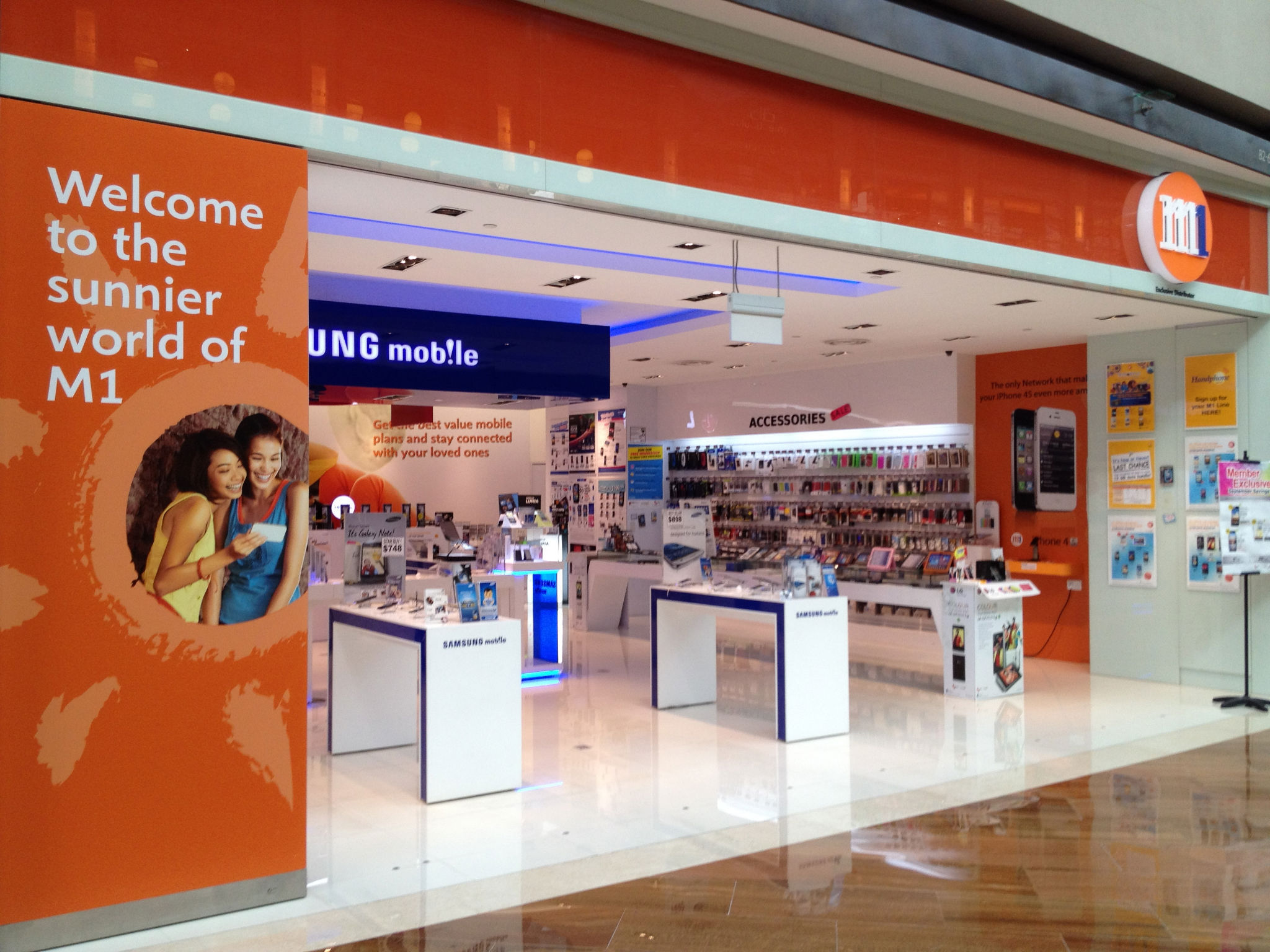
M1 will start testing 5G small cells at the end of the year. Those trials will be conducted in partnership with the Finnish company, Nokia. The main goal of those tests will be to give informations on the best way to install 5G small cells for a commercial purpose in a “dense cell grid architecture” and to validate the efficiency of low-latency for the “Internet of Things”. Denis Seek, CTO of M1 stated, “The practical learning from early 5G field trial is critical for the success of developing high-performance and demand-driven 5G services for our customers in future and enables us to play a key role in Singapore’s Smart Nation initiatives.” If Nokia has been working with M1 on network trials since 2016, it won’t be the only company working with the operator. The Chinese tech giant Huawei will also run trials with M1 by testing the 28GHz mmWave spectrum…