80 Results

quantum

Search

In the dynamic realm of modern business, connectivity is no longer a luxury but a vital necessity. With 5G and VoIP technologies leading the charge, a profound revolution is underway in telecommunications. This article delves into the synergy between 5G’s lightning-fast connectivity and VoIP’s versatile communication, poised to redefine business interactions.


In a groundbreaking shift, artificial intelligence (AI) is revolutionizing material discovery, unlocking new possibilities in renewable energy, semiconductors, and pharmaceuticals. GlobalData, a prominent data and analytics firm, asserts that AI is spearheading a transformative era in research and development, dismantling traditional barriers and fueling unprecedented advancements in material science.

EPB, the city-owned broadband provider, has launched a new 2.5-gig residential internet service, expanding its symmetrical speed offerings on the fiber optic network. Priced at $97.99 per month, the 2.5-gig service comes with the installation of EPB’s Wi-Fi 6e router and is available across the service area. VP Katie Espeseth emphasized EPB’s commitment to diversifying network options, with an eye on providing service up to 25-gig.

The UK government’s recent decision to continue a tax exemption policy marking network gear costs as deductible pre-tax profit boosts established telecom firms like BT, although smaller enterprises might not see similar benefits. This fiscal initiative heavily benefits BT in their £15 billion full-fibre project, increasing their capital spending by £300 million annually, expediting their fibre rollout to 25 million homes by 2026.

Greek telecommunications heavyweight OTE appears to be changing course, with whispers abuzz of pivotal shifts in its future business plans. The rumored centerpiece is the potential sale of its Romanian mobile operations, Telekom Romania Mobile, to Quantum Projects Group. This points towards a strategic refocusing on OTE’s extensive Greek operations, signaling a departure from the international stage.

The UK’s Department for Science, Innovation and Technology earmarked £36 million from its budget for 10 regions, highlighting a drive towards 5G innovation. Projects range from enhancing port operations to supporting advanced manufacturing and boosting tourism. However, an interesting aspect to note is the unique applications, including agricultural advancements in Sussex and the creation of 5G science parks in Oxfordshire.

Despite a minor dip in its median download speed, T-Mobile continues to reign in mobile performance. However, Verizon and AT&T are gradually closing the gap, as reflected in Ookla’s recent market report. Nonetheless, T-Mobile remains dominant, not only in download speed but across most network parameters. The race is particularly close in 5G latency and consistency, where all three telecom giants exhibit competitive performance. Stay tuned as these corporate titans strive to have the final say in technological supremacy.

The European Commission is urging member states to conduct shared risk assessments in key tech realms including advanced semiconductors, AI, quantum tech, and biotech. Amidst the cloud of geopolitical tech skirmishes, EU stands poised to protect sensitive technologies and is resolved not to preemptively decide on any corrective measures. Only time will reveal the Commission’s next steps after risk assessments.

Amid growing inflation and swelling telecom budgets, the advent of 6G brings in costly implications tied to Radio Access Network (RAN) equipment. As these financial implications loom, The Next Generation Mobile Network (NGMN) Alliance proposes a different approach to 6G implementation that may spare existing 5G infrastructure from unnecessary renewal. They advocate an operator-driven decision process in refreshing the 5G RAN, maintaining that 6G upgrade should not compromise 5G user experience and should be software-upgradable on existing network elements. As 5G capex reaches its peak in markets like the U.S., NGMN’s stance could potentially redefine traditional strategies in introducing new generations of mobile technology.

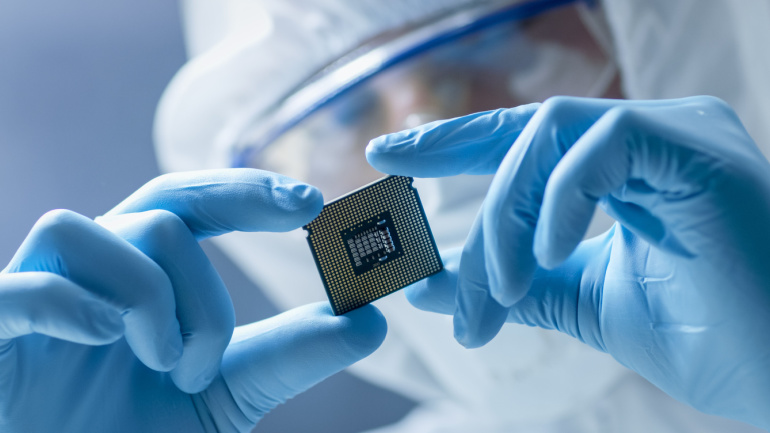
Vodafone’s collaboration with Salience Labs and iPronics aims to advance open radio access networks (open RAN) by harnessing the potential of silicon photonic chips. This light-based technology could promise enhanced network programmability and ultra-low latency powered by their increased speed and reduced energy consumption — elevating critical 5G capabilities. With silicon photonics making waves in data centers, the industry, poised for rapid growth, radiates intrigue on the horizon. Yet, it also questions current cost dynamics, especially around open RAN technology.