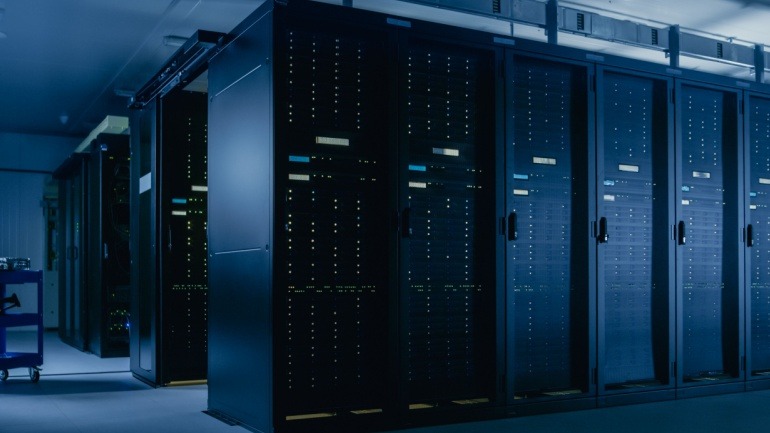
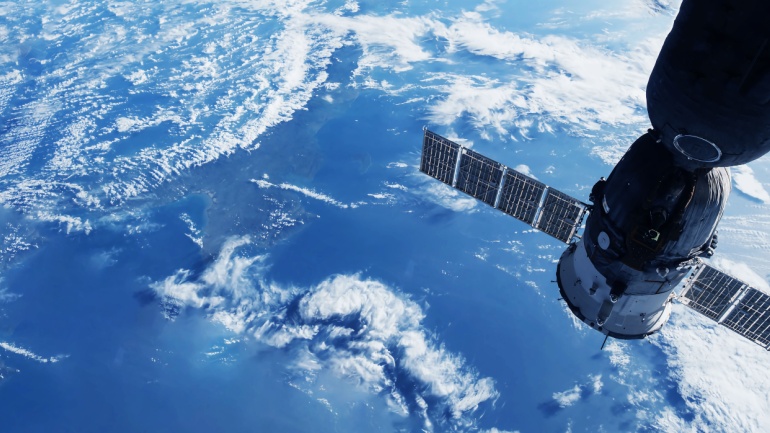
2025 marked a transformative era for the Test and Measurement sector, with groundbreaking advancements from orbital data centers to photonic AI satellites. A crucial highlight was Vodafone’s collaboration for 5G SA networks, enhancing telecom with automated software. Emerging markets like AI data centers and satellite communications experienced a notable focus shift.
Amazon Web Services is making a significant move in South Korea with a $5 billion investment in AI data centers. This aligns with the country’s ambition to lead in AI technology within Asia. AWS CEO Matt Garman’s meeting with South Korean President Lee Jae Myung highlights this commitment, strengthening AWS’s presence.
NVIDIA’s GTC DC event underscored AI’s transformative impact on business and process automation, highlighting the essential role of engineers. While AI accelerates tasks, it demands engineers adapt, combining traditional expertise with innovative tools. This shift, involving AI-driven tools like NeMo Data Designer by Cadence, enhances efficiency in sectors like aerospace and engineering.
Nvidia CEO Jensen Huang anticipates significant growth in China’s AI market by selling modified AI chips, contingent on U.S. licensing. Nvidia aims to capture a share of this expanding market, projected to reach $50 billion by 2025. Huang actively lobbies for favorable U.S. export licenses to penetrate further into China’s AI sector.
Broadcom’s new Jericho4 networking chip promises faster, more secure data transfers across vast distances, boosting AI workload efficiency. With high bandwidth memory, advanced encryption, and innovative HyperPort technology, it reduces congestion, improves utilization, and enables large-scale distributed AI systems.
Malaysia’s collaboration with Nvidia and YTL Power International marks a pivotal step in AI advancement. By developing a sovereign LLM and constructing AI data centers powered by Nvidia’s technology, Malaysia strengthens its AI capacity.
The Department of Energy will establish AI data centers at four federal sites in Idaho, Tennessee, Kentucky and South Carolina. These centers will use existing energy resources and infrastructure to accelerate AI and semiconductor projects.
Tesla and Samsung signed a sixteen and a half billion dollar deal to produce custom AI chips in Texas through 2033. The agreement centers on Tesla’s AI6 chip for autonomous vehicles and robotics, boosting Samsung’s foundry business and advancing US semiconductor goals while strengthening ties between American and Korean industries.
Synopsys’ acquisition of Ansys, valued at $35 billion, promises to revolutionize engineering solutions, particularly in silicon design. With AI-driven innovations and enhanced system simulations, this merger is set to redefine capabilities in automotive design and chip thermal management.
SoftBank aims to spearhead the artificial super intelligence era, highlights CEO Masayoshi Son. With strategic partnerships involving OpenAI and Arm, SoftBank envisions establishing a global AI platform akin to the dominance seen in tech giants like Microsoft.