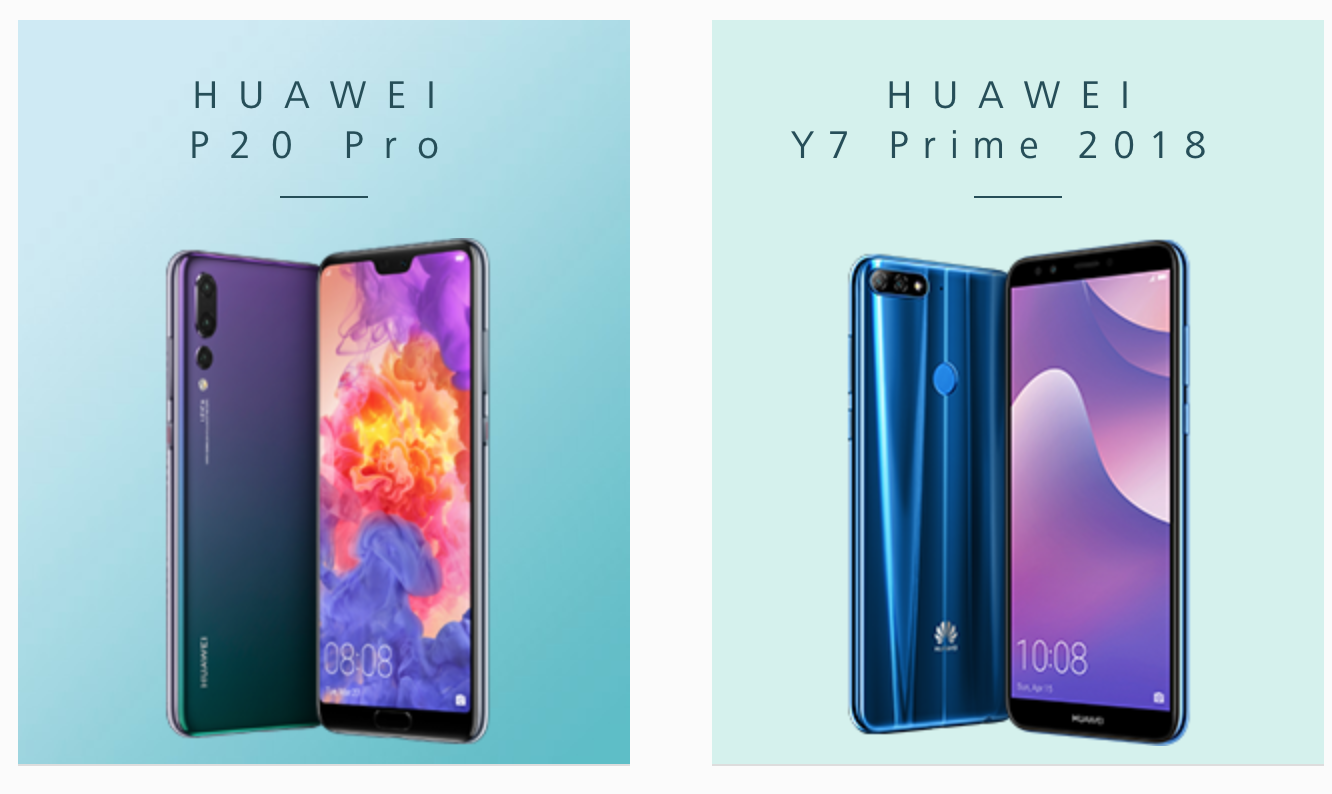
The Chinese equipment manufacturer Huawei recently expressed its intention to surpass Apple in the smartphone market in 2018, and it seems that these plans are becoming a reality. According to IDC, Huawei shipped 54.2 million mobile devices units in the second quarter and moved to the second position, only to be outpaced by the ultimate leader Samsung. Looking at the total market share from Q2, Samsung maintains a strong 20.9%, while Huawei controls 15.8%, closely followed by Apple’s 12.1%. “The continued growth of Huawei is impressive, to say the least, as is its ability to move into markets where, until recently, the brand was largely unknown,” commented the program vice president with IDC’s Worldwide Mobile Device Trackers, Ryan Reith. Huawei’s recent push into Europe, the Middle East and India has secured its position among the top smartphone manufacturers. And while the US carriers are still instructed by the government to…
While 5G maintains its dominant position in telecom news headlines, Qualcomm has made a major move towards the realization of this disruptive technology with the announcement of the first fully-integrated QTM052 5G NR mmWave and QPM56xx sub-6 GHz RF modules for mobile devices. These antennas will be used in conjunction with the Snapdragon X50 5G module to achieve the stellar target speeds of 5G networks. “Qualcomm Technologies’ early investment in 5G has allowed us to deliver to the industry a working mobile mmWave solution that was previously thought unattainable, as well as a fully-integrated sub-6 GHz RF solution. Now, these type of modem-to-antenna solutions, spanning both mmWave and sub-6 spectrum bands, make mobile 5G networks and devices, especially smartphones, ready for large scale commercialization,” commented the president of Qualcomm Incorporated. Even though the mmWave signals can offer the critically higher speeds that are essential for this cutting-edge network, they can…
After the successful release of its flagship P20 series, the Chinese equipment manufacturer Huawei is set to overtake Apple as the second largest global smartphone vendor in 2018. As of July, Huawei had already shipped 100 million devices, and is on track to ship a total of 200 million devices by the end of the year, notably exceeding the number of 153 million of their smartphones shipped in 2017. Huawei, one of the world’s leading network equipment manufacturers, entered the smartphone race quite recently, and is aggressively competing with Samsung and Apple. However, the company has already managed to grow their smartphone business by 51 times since 2010, which is a sound proof of Huawei’s exponential expansion and its dominant position in the market. In addition to being the number three smartphone manufacturer globally, Huawei also holds the top position in China and is now focused on expanding their sales…
The smartphone’s market shrank of 0.1% last year, and for this year, IDC (International Data Corporation) is expecting the same lack of growth. This is why the entire industry is waiting for the 5G technology to help the market go back to its former glory. The last year showing a significant growth was 2016 with a 2.5% progress. With the availability of 5G network and smartphones, tech companies expect to go back to 2016 figures in 2022. But the smartphone industry needs to solve some issues as the way 5G radio waves work can have an impact on the quality of the call and daily use of the device. As Dan Jones from Light Reading explains, it could be a similar problem to what happened with the “antennagate” on iPhone 4. Basically, this phenomenon called “human blockage”, impacts quality of the call, as the way someone holds the phone decreases…
Huawei, the Shenzhen based technology company, has announced the launch of a smartphone that will use the famous cryptocurrency. It will use BTC.com’s platform as a Bitcoin wallet on its smartphones. New devices coming out of Huawei factories will integrate Huawei AppGallery that will give access to the Bitcoin wallet. “Cryptocurrencies have recently expanded the human understanding of digital economy at a large scale … We expect to see massive growth in global cryptocurrency adoption habits in the near future,” said the vice president of Huawei Mobile Services, Dr. Jaime Gonzalo. Through the app, users will be able to buy products and services with Bitcoins. They will also have the possibility to follow cryptocurrency mining and get blockchain informations. It will also be an opportunity for Chinese customers to have a taste of cryptocurrency. So far, Google Play on Android and Apple’s App Store were not allowed by Chinese authorities…
The new Android Oreo is smarter, faster and more secure than ever. It comes with a number of new features and improvements such as picture-in-picture and Autofill that allow you to navigate apps seamlessly. Plus, it offers a much better VoIP experience, letting you adjust the volume of a call even when the screen is off. The Volume Keys Smartphones have been able to make and receive VoIP calls for years, but only recently has more and more applications, such as Facebook Messenger and Whatsapp, also included this feature. However, if you regularly use VoIP calling services, you know that VoIP calls don’t work the same way as traditional calls made through your telephone carrier, and the volume keys don’t change the volume if you manually locked the device with the power button in the middle of a VoIP call.te With the new Android Oreo though, this problem has been solved.…
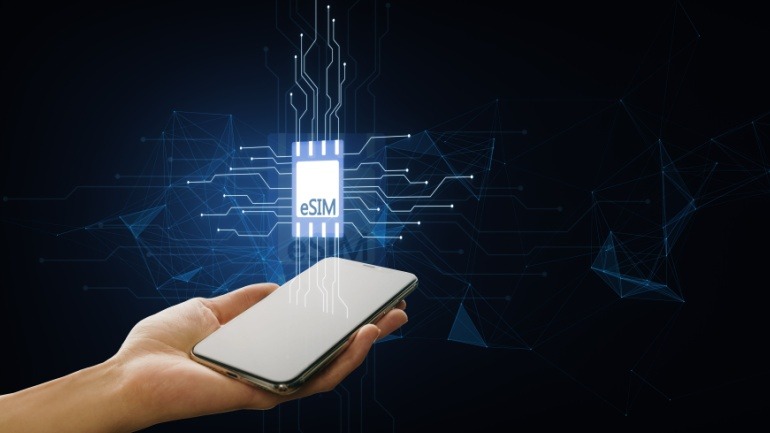
Wildix revolutionizes mobile communications with its new eSIM feature in the Mobility Cloud suite, eliminating “blind spots” in enterprise data flow. This breakthrough ensures seamless integration of business mobile calls into workflows, maintaining compliance and data security. By optimizing Fixed-Mobile Convergence, Wildix enhances user experience and captures critical business insights.
Virgin Media O2 has launched an innovative O2 Satellite service, utilizing Starlink technology from SpaceX to enhance mobile connectivity in remote areas, called ‘not-spots’. This new service, boosting UK landmass coverage from 89% to 95%, allows users to seamlessly switch from mobile to satellite connectivity when traditional networks are unavailable.
Metro Connect 2026 showcased the future of broadband, highlighting fiber connectivity and data center growth. Keynote speaker Andrew Lipman from Morgan Lewis shared insights on the telecom industry’s optimistic outlook. He emphasized favorable US regulatory conditions and the significant $42.45 billion BEAD program aimed at expanding broadband access in underserved areas.
The rise of voice AI is reshaping how businesses interact with technology. As platforms like ChatGPT advance, companies are urged to integrate voice-driven AI into their strategies. A study highlights a 14% preference for voice over typing, signaling a shift towards intuitive AI interfaces. Investing in quality audio is crucial for seamless adoption.