T-Mobile has launched T-Satellite, a direct-to-device service using Starlink’s satellites, to combat notorious ‘not spots’ in the US and beyond. The service, supporting over 60 smartphones, integrates with T-Mobile’s premium plans.

T-Mobile has launched T-Satellite, a direct-to-device service using Starlink’s satellites, to combat notorious ‘not spots’ in the US and beyond. The service, supporting over 60 smartphones, integrates with T-Mobile’s premium plans.

TIM is offering Italian customers a year of free access to Perplexity Pro, an AI platform delivering real time answers for daily questions and research. Users gain unlimited searches, voice sessions and document analysis.

Vodafone Germany has ingeniously transformed a traditional advertising column into a 5G antenna site in Stuttgart, kickstarting a project to enhance urban mobile coverage. Utilizing Ericsson antennas and fiber optic backhaul, it offers 500 Mbps speeds. This innovation expands Vodafone’s 5G network seamlessly, avoiding the challenges of building large cell towers.

Rogers Communications has launched Canada’s first satellite-to-mobile service, bringing connectivity to remote regions. Using low Earth orbit satellites and national wireless spectrum, the service enables texting and emergency access where traditional networks fail.

After criticizing AT&T for a conference call glitch, Donald Trump hinted at switching providers while promoting his new mobile venture. AT&T denied fault, citing a third-party platform. The timing is critical as the company faces scrutiny over past data breaches and ongoing lawsuits.

VoIP isn’t just about cheaper calls – it’s a smarter way to cut communication costs across the board. From reducing infrastructure and IT expenses to boosting productivity and enabling remote work, VoIP offers a scalable, cost-effective solution that improves operations and supports long-term business growth. Here’s how it transforms communication ROI.

Qualcomm is enhancing its footprint in Vietnam with a new AI R&D center, boosting the nation’s AI, semiconductor, and digital transformation ambitions. This integration strengthens tech cooperation, fostering Vietnam’s position in Southeast Asia’s AI landscape by 2030.

Clear communication is the backbone of any successful business. From aligning internal teams to building trust with customers, how you communicate can shape your company’s growth. This article explores how PBX phone systems modernize business communications—boosting efficiency, reducing costs, and creating a seamless experience for both employees and clients.
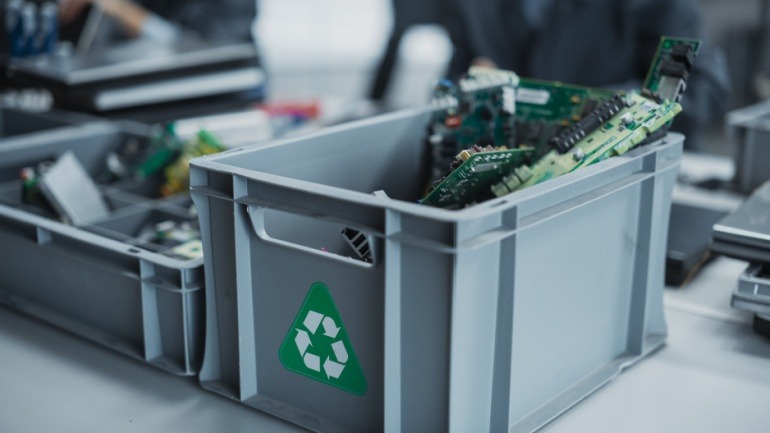
Virgin Media O2’s Recycle for Business initiative has processed 45,000 devices since October 2023, generating nearly £330,000 for participants. The program helps companies recycle unused tech, reduce waste, and support digital inclusion through donations to the Good Things Foundation.