KDDI and Okinawa Cellular, in partnership with Starlink, have launched au Starlink Direct — Japan’s first direct-to-device satellite service. Starting April 10, 2025, au users can enjoy seamless connectivity even beyond network zones, enabling emergency alerts, location sharing, and AI-powered assistance, all at no extra cost.
Qualcomm’s recent acquisition of MovianAI marks a pivotal step in revolutionizing AI technology within sectors like smartphones, computers, and vehicles. This strategic move complements their existing IoT strategy, enhancing Qualcomm’s ability to integrate sophisticated AI solutions.
Ofcom’s bold proposal positions the UK as Europe’s pioneer in direct-to-device (D2D) satellite services, enhancing mobile connectivity by bypassing traditional equipment. Utilizing existing 4G and 5G spectrum, this approach promises to boost rural coverage and drive innovation.
Verizon has expanded its satellite-based direct-to-cell texting service, enhancing connectivity for select Android users. This upgrade enables text messaging via satellite, benefiting those outside traditional networks.
VoIP phone numbers are transforming business communications by offering unmatched flexibility, cost efficiency, and scalability. Unlike traditional phone systems, VoIP operates over the internet, allowing businesses to stay connected from anywhere. This technology supports remote work, enhances customer service, integrates with digital tools, and enables seamless scalability – all while reducing costs. In this article, we explore how VoIP numbers, like those provided by DIDWW, help businesses stay agile, competitive, and responsive in an ever-evolving market.
EE’s 5G Standalone network expansion in the UK aims to cover 50 cities by month’s end, enhancing connectivity for 28 million people. Offering better 5G availability in regions like Milton Keynes and Sunderland, users will experience smoother video calls, streaming, and gaming, provided they have compatible smartphones from major brands.
SatCo, a collaboration between Vodafone and AST SpaceMobile, is set to revolutionize telecommunications by delivering space-based cellular broadband across Europe. This initiative ensures continuous connectivity, even in remote areas, enhancing digital sovereignty.
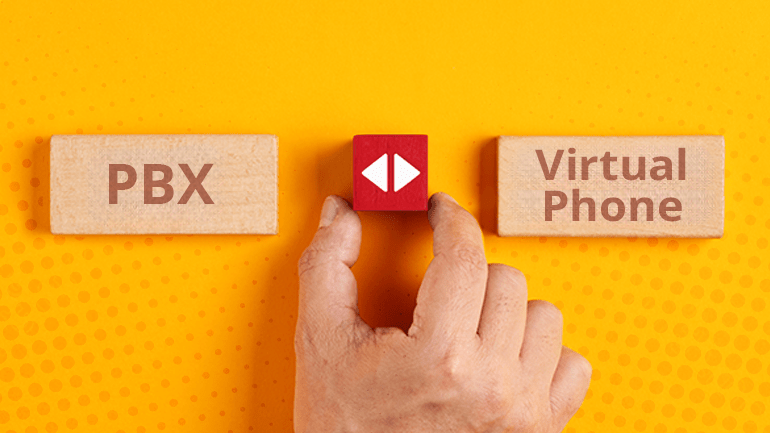
The introduction of the virtual phone system has resulted in a massive leap forward for business communications. For many years, the hardware telephony system, primarily the on-premise Private Branch Exchange (PBX), was the gold standard for handling phone calls. These systems, while effective in the past, come with the disadvantages of significant hardware costs, complex setups, limited capabilities, and burdensome maintenance requirements. The combination of VoIP and the virtual phone system has taken business communications by storm, and the relevance and practicality of traditional PBX hardware has come under intense scrutiny. This inflexible system is reliant on unwieldy physical infrastructure and is rapidly being replaced by agile, cloud-based solutions that offer cost savings, flexibility, scalability and increased productivity. In this article, we will explore the major advantages of virtual phone systems over legacy platforms. This comparison will clearly illustrate why so many businesses are ditching their hardware, moving to cloud…

Vodafone, AST SpaceMobile, and the University of Málaga are launching a hub to integrate satellite and terrestrial mobile broadband, bridging Europe’s digital divide. Supported by the Spanish Space Agency, the initiative fosters collaboration, enabling seamless connectivity via Vodafone’s space-to-land gateway.
T-Mobile US introduces its Starlink public beta, addressing network gaps by covering over 500,000 miles where traditional networks struggle. The Starlink service ensures seamless connectivity, automatically switching networks when out of coverage.