Telinta, a global leader in cloud-based softswitch and billing solutions for VoIP service providers, today announced new capabilities for its Encrypted VoIP solution, adding encryption for its TeliGlobeTM Mobile Softphone application. This enhancement gives Telinta customers the option to encrypt both SIP signaling and media for Mobile VoIP calling with TeliGlobe. The solution can offer end-to-end encryption for on-net calling.

VoIP readiness assessment is vital for cost-effective business communication. Define objectives, assess costs, scalability, integration, infrastructure, equipment, security, and training. Pilot testing and vendor selection are key. Develop a migration plan for a smooth transition, resulting in enhanced communication, productivity, and cost savings.
First Orion introduces SENTRY™, combatting fraudulent calls and preserving brand integrity. CO-OP KINKI enhances customer security with Vonage’s 2FA technology for online shopping. Cloud communications market soars, set to reach $180.7 billion by 2027. T-Mobile shifts users to pricier plans, raising concerns over rate plan commitments.
DIDWW, a global provider of premium quality VoIP communications, two-way SIP trunking and SMS services for businesses and telco carriers, has established its new Point of Presence (POP) in Amsterdam. This latest addition is now ready to deliver robust performance, efficiently handling customer voice traffic and ensuring enhanced connectivity.
conXhub, a leading provider of cloud-based communication and collaboration platforms, has entered into a strategic partnership with DIDWW, a global telecom operator offering premium quality VoIP communications, two-way SIP trunking and SMS services for businesses and telecom carriers. Through the alliance with DIDWW, conXhub aims to extend its global reach, ensuring high quality voice services for unparalleled customer experience.
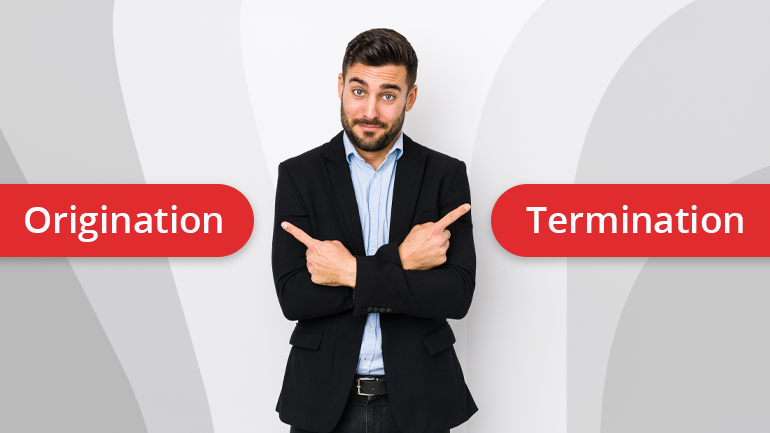
In our interconnected world, voice calls remain crucial for communication. “Origination” and “termination” are vital terms in call routing. This article explores these concepts, beginning with origination, the process of initiating calls from devices like landlines or mobiles. It then covers termination, completing incoming calls to recipients’ devices. We delve into components, quality, service selection, and regulatory aspects, highlighting the importance of understanding these elements in the world of telecommunications.
DIDWW, a global telecommunications provider of premium quality two-way SIP trunking services, has expanded its number portability coverage to include a total of 39 countries. This service allows customers to conveniently switch their phone numbers from one telephone network service provider to an alternative carrier. In order to provide customers with instant access to innovative VoIP services worldwide, DIDWW now offers businesses and telecom operators the ability to port their numbers in South Africa, Chile and Estonia.
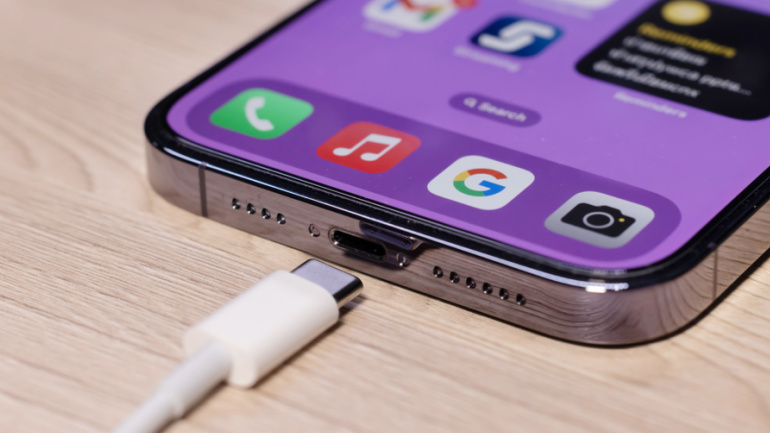
Apple’s recent unveiling of four new iPhone models, with prices starting from £799, highlights the company’s steady stream of innovation. This release has also stirred debate among smartphone enthusiasts questioning the extent of the innovations, especially considering the premium pricing. Despite predicted criticism, Apple maintains its market dominance by committing to incremental upgrades, asserting a commitment to environmental responsibility, and boasting durable, low-bug products.
A notable investment from Saudi Telecom into Telefonica has the Spanish Government on the edge, forcing them to balance their national interest and fostering foreign investment. The complexity surrounding the acquisition decision transcends even Spain’s economic landscape, impacting political alliances and national security. With a swift resolution unlikely, this multifaceted negotiation promises to test Spain’s decision-making in an increasingly interconnected economic world.
BYOD VoIP, or “Bring Your Own Device Voice over Internet Protocol,” lets employees use personal devices like smartphones, tablets, or laptops for business calls through VoIP. This approach enhances flexibility, productivity, and cost savings, but it also poses challenges like security risks, device compatibility, and privacy concerns. Implementing BYOD VoIP effectively requires clear policies, network readiness, robust security measures, and employee training.