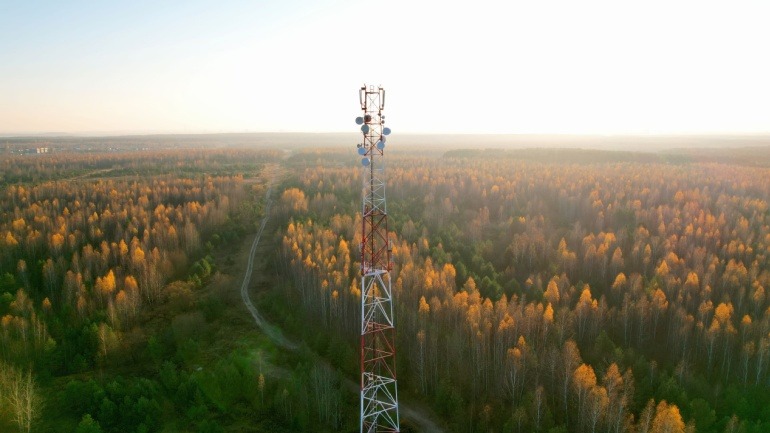
AT&T’s landmark $250 billion investment in U.S. network upgrades marks a transformative step in voip solutions. By enhancing high-speed fiber and 5G capabilities, this initiative elevates connectivity, supporting economic growth and technological innovation. The strategic focus on infrastructure, workforce, and security underpins AT&T’s role as a telecommunications leader.
As telecommunications firms navigate stringent data regulations like GDPR and CCPA, synthetic data emerges as a key solution for AI-driven projects. By mimicking real customer behavior, synthetic data supports network optimization and personalized services while safeguarding privacy. Techniques such as GANs and Transformer models create secure, synthetic versions compliant with privacy laws.
The AI era is set to transform telecommunications, reshaping networks and economic models. Mathew Oommen from Jio Platforms highlighted this shift at the Mobile World Congress. The AI-led transformation will redefine telecom networks, creating new opportunities valued in trillions. Telecom networks will underpin an “intelligence economy,” with AI integrated across sectors like energy and finance.
AI-driven solutions are revolutionizing VOIP security, addressing prevalent scams like voice spoofing and Wangiri calls. Telecom operators now utilize advanced AI systems for real-time audio analysis, voice fingerprinting, and behavioral monitoring, effectively blocking fraudulent calls before they reach victims. Though AI offers robust defenses, it requires continuous adaptation and collaboration to fully combat evolving threats in the VOIP landscape.
Infovista’s groundbreaking AI-driven solutions, VistAI and VistaOne, introduced at the Mobile World Congress, mark an era of enhancing VoIP through advanced network and customer experience intelligence. These innovations bridge network performance with customer satisfaction. By integrating planning, testing, network management, and CX, Infovista is transforming VoIP interactions.
The AI revolution in telecommunications demands networks evolve into deterministic, programmable systems. At MWC 2026, Nokia’s focus was on transitioning from traditional SLAs to real-time AI traffic management. This involves partnerships with BT, Elisa, and more, driving investments in transport networks, crucial for facilitating seamless VoIP and data connectivity.
Metro Connect 2026 showcased the future of broadband, highlighting fiber connectivity and data center growth. Keynote speaker Andrew Lipman from Morgan Lewis shared insights on the telecom industry’s optimistic outlook. He emphasized favorable US regulatory conditions and the significant $42.45 billion BEAD program aimed at expanding broadband access in underserved areas.
With Q-Day approaching, VoIP platforms face a crucial juncture in telecom security. Quantum computers could soon crack RSA, ECC encryption, threatening data integrity. CSPs must prioritize robust quantum-resistant measures to protect VoIP communications. Industry collaboration is key for a secure, unified advancement in quantum technology readiness, ensuring resilient defenses.
As the UK gears up for the PSTN switch-off in January 2027, the demand for cloud-based VoIP solutions is surging. This pivotal transition signifies a lucrative opportunity for channel partners poised to modernize communication infrastructures. With businesses seeking seamless integration of communication tools, replacing legacy systems with VoIP is crucial.
In recent tech news, Zoom has made significant strides by evolving from a pandemic video tool to a robust enterprise platform. With an expected $5 billion revenue milestone by FY27, Zoom is becoming a crucial operating system for businesses. Their telephony success challenges industry giants, showcasing reliability in enterprise settings. AI integration fuels Zoom’s growth, with customers embracing AI tools for seamless workflows. As enterprises shift towards unified communication platforms, Zoom’s holistic approach is transforming business communications. IT leaders must reconsider if transitioning to Zoom outweighs traditional systems.