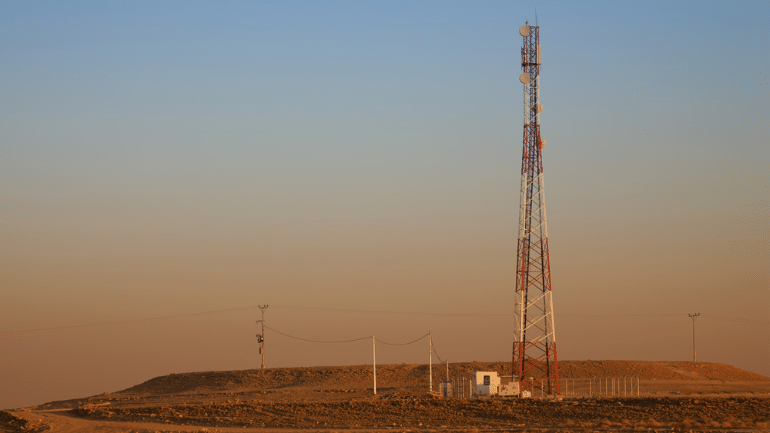
The Asia Pacific region stands as a proving ground for satellite broadband deployment. This area exhibits diverse connectivity landscapes, including regions relying solely on satellite connections and others bolstered by robust terrestrial networks. Government policies across this region show variance; while countries like Australia and New Zealand have embraced satellite technologies, remote island regions still grapple with connectivity challenges due to their geographic isolation.
A key development is the shift in satellite broadband technology. Traditional setups involved satellites positioned in higher orbits, leading to increased signal travel times and delays unsuitable for applications like video calls. Low Earth orbit systems, such as those offered by Starlink, bridge this gap by orbiting closer to Earth, thereby reducing latency. Starlink, with satellites at around 550 kilometers, enhances the feasibility of satellite broadband for typical internet demands once dominated by fixed broadband solutions.
Geography heavily influences satellite broadband demand. Archipelagic nations like Indonesia and the Philippines find fiber optic implementation daunting due to high costs. Conversely, vast terrains like Mongolia present challenges in connecting scattered populations. In these instances, satellites offer practical, albeit costly, solutions.
Regulations, more than market demand, dictate Starlink’s market operations. Countries like Australia, New Zealand, and Japan provided faster entry points due to established frameworks. In Japan, Starlink initially operated through telecommunications networks, aiding rural mobile towers. However, other nations faced regulatory hurdles. The Philippines, Malaysia, and Sri Lanka took longer to approve Starlink, citing concerns about foreign ownership and necessary legislative updates.
The performance of satellite services is closely tied to the infrastructure at hand. Countries hosting local gateway stations, such as Australia and New Zealand, enjoy better service quality. New Zealand reports latency levels of about 35 milliseconds, while Australia achieves download speeds surpassing 160 Mbps. In contrast, regions without proximate infrastructure experience increased latency levels, often over 100 milliseconds.
Pricing also plays a pivotal role in the adoption rate of satellite broadband services. While pricing varies, regional income levels impact affordability. In wealthier nations like Australia, plans are comparably accessible. However, in countries like the Philippines, these services consume a significant portion of household income.
Emerging markets like Bangladesh and Sri Lanka, through recent regulatory reforms, have shown encouraging results post launch. Meanwhile, Vietnam and India continue to face policy-driven delays in rollout and adoption. Pricing, infrastructure, and regulatory frameworks shape how satellite broadband services develop across Asia Pacific.
With the introduction of new players like Amazon and China’s communications networks, competition in satellite broadband intensifies. Future developments, including direct-to-device technology, promise to further integrate satellite services with everyday mobile technology, indicating an evolving broadband landscape influenced by geography, economics, and regulation.