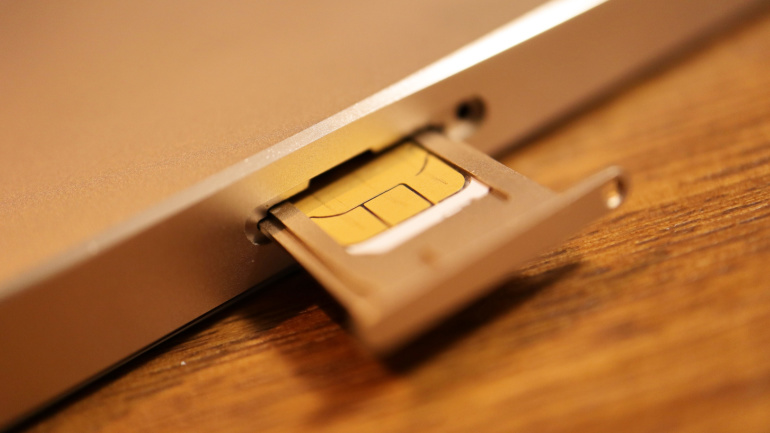
The evolving D2D satellite connectivity landscape in Europe is transforming mobile services. A recent Omdia report indicates a 22% engagement surge from European mobile operators in this innovative technology. As D2D integrates into existing systems, it enhances coverage, ensuring network resilience. European providers gain a unique edge by enabling direct satellite connections for unmodified smartphones, merging seamlessly with traditional networks.
T-Mobile’s SuperBroadband revolutionizes business connectivity by merging 5G with Starlink satellite service, reaching every U.S. ZIP code. This dual-path approach ensures uninterrupted service, crucial for industries like retail and healthcare. The offering simplifies contracts, highlights 99.999% uptime, and caters to small businesses, enhancing reliability and operational efficiency.
China Mobile is navigating a challenging telecom landscape with increased competition and waning demand. Despite a slight revenue uptick, profit fell 4.2% year-on-year. Strategic pivots, like expanding 5G and AI services, aim to counter declining core business revenue. Massive competition from tech giants and increased taxes further compound the hurdles.
As the global digital landscape shifts, data sovereignty emerges as pivotal for nations. Over 100 countries enforce data sovereignty laws, impacting VoIP services. The fragmented regulations present challenges for VoIP providers, highlighting the need for adaptive strategies to navigate diverse compliance requirements and enhance operational efficiency amidst evolving global standards.
India’s telecom giants, Vodafone Idea and BSNL, are exploring joint use of telecom infrastructure and spectrum to manage costs and enhance network capabilities. This move, confirmed by India’s Department of Telecommunications, focuses on towers, fiber networks, and shared spectrum assets, aiming to promote 5G services rollout and efficiency.
China Unicom is strategically transforming by reducing capital expenditures and focusing on AI infrastructure, aligning with industry trends. By boosting investment in AI, China Unicom is enhancing its VoIP services, underscoring the rising demand for AI-powered solutions in telecommunications. This focus signifies a significant shift towards modern, efficient VoIP systems.
As the demand for efficient AI infrastructure expands, Equinix emerges as a frontrunner with its neutral interconnection hubs, revolutionizing enterprise cloud connectivity. By streamlining last-mile access and offering a comprehensive AI framework, Equinix facilitates seamless integration across diverse cloud platforms. Position your VOIP solutions for future-ready network advancements, leveraging Equinix’s strategic expertise.
Japan is leading the Asia-Pacific region in Open RAN (O-RAN) technology, showcasing its advanced role in integrating virtualized RAN (vRAN) solutions. Rakuten Mobile operates the world’s largest O-RAN network, influencing both domestic and global markets, with telecom giants like NTT Docomo, KDDI, and SoftBank gradually adopting these cutting-edge solutions.
Ericsson’s maritime 5G Standalone network trials with Leonardo and the Italian Navy mark a strategic push into the defense sector. Held in Italy’s Gulf of Taranto, these trials showcased Ericsson’s Ultra Compact Core and Massive MIMO platforms. This endeavor highlights 5G’s potential in defense, enabling robust, secure communication.
Ericsson is advancing its API strategy by acquiring a stake in LotusFlare, enhancing telecommunications with innovative network API solutions. By addressing challenges developers face, such as procurement complexities and pricing inflexibility, Ericsson aims to streamline processes and unlock revenue potential in the growing API market through LotusFlare’s DNO Cloud platform.